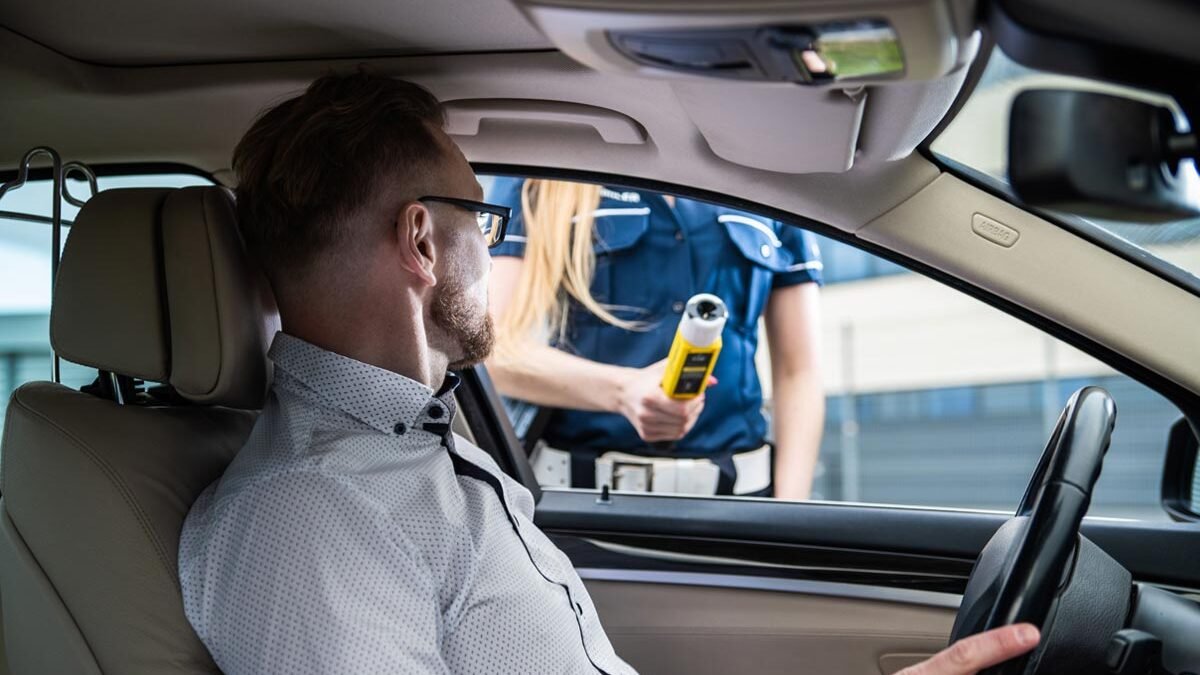
According to the National Highway Traffic Safety Administration (NHTSA), 11,904 people were killed in alcohol-impaired-driving crashes in the United States in 2024, averaging about one death every 44 minutes.
Getting into such accidents can be devastating, especially with the consequences you have to face afterwards. The emergency treatment starts before anyone knows who will pay for it. Coverage questions come afterward and can take weeks or months to settle.
Sorting out who pays medical bills after a car accident works much the same way after a drunk driving crash, at least at first. The difference shows up later, when it’s time to recover that money from the person responsible.
The Immediate Bills Don’t Wait for Fault to Be Sorted Out
When it comes to emergency care, treatment comes first before the discussion of payment. There are times when this is settled way later due to numerous factors.
Health insurance usually pays first. It covers emergency treatment, hospital stays, and follow-up care. A policyholder typically does better using it right away than waiting on a claim against the drunk driver, since that claim can take months.
Medical Payments coverage, often called MedPay, is an optional add-on in most states. It pays medical costs up to its limit no matter who caused the crash, so fault doesn’t need to be proven first. In no-fault states, personal injury protection coverage plays a similar first-payer role.
Some medical providers will also agree to defer certain bills once they know a liability claim is pending. The deferment is often done through a letter of protection from the patient’s attorney.
Why a Drunk Driving Crash Changes the Recovery Picture
Once the immediate treatment is handled, the question becomes who actually pays for it all in the end, and that’s where intoxication starts to matter in ways an ordinary fender bender doesn’t raise.
Intoxication often makes fault easier to establish, since impaired driving is illegal everywhere and courts often treat it as evidence of negligence. It still isn’t automatic. The evidence has to connect the intoxication to the crash, and a victim’s own share of fault can still be raised.
Punitive damages, which punish especially reckless conduct rather than compensate for losses, are more available in drunk driving cases, since many courts treat impaired driving as more than ordinary carelessness. Availability and caps vary by state.
There’s also a second potential source of recovery that doesn’t exist in most other crash types. Many states have dram shop laws that let an injured person pursue a bar, restaurant, or other establishment that served alcohol to someone visibly intoxicated or underage when that person then caused a crash.
Rules and limits vary by state. These laws can matter when the at-fault driver’s policy limits fall well short of serious medical bills. For example, an Oklahoma City drunk driving accident lawyer can explain how a dram shop claim works under state law.
What Happens If the Drunk Driver Has Minimal Insurance
A drunk driver isn’t always carrying strong coverage, and state minimum liability limits are frequently far too low to cover a serious injury on their own.
When that gap exists, the coverage sources discussed above start to matter more. Health insurance and MedPay handle the immediate bills regardless of the shortfall. If the at-fault driver has no insurance or too little, the victim’s own uninsured or underinsured motorist coverage can help, provided the victim carries it. If a dram shop claim is available, it can reach the establishment’s separate liability coverage instead of competing for the same limited pool of money tied to the driver alone.
Keeping the Record Straight Matters More Than People Expect
Every medical bill and every piece of documentation showing how treatment connects back to the crash should be tracked. Careful tracking is necessary since the final settlement or verdict is supposed to account for the full financial picture, not just whatever bills happened to surface early. Health insurers often have a right to be repaid from any later settlement, so those payments need tracking too.
Recovering compensation after a drunk driver hits someone can be tricky. Payment usually comes in steps. The victim’s own coverage pays first, then the drunk driver’s insurance, and in some cases the bar’s insurance too.
Knowing which step comes when makes it easier to keep track of who owes what during an already hard time.