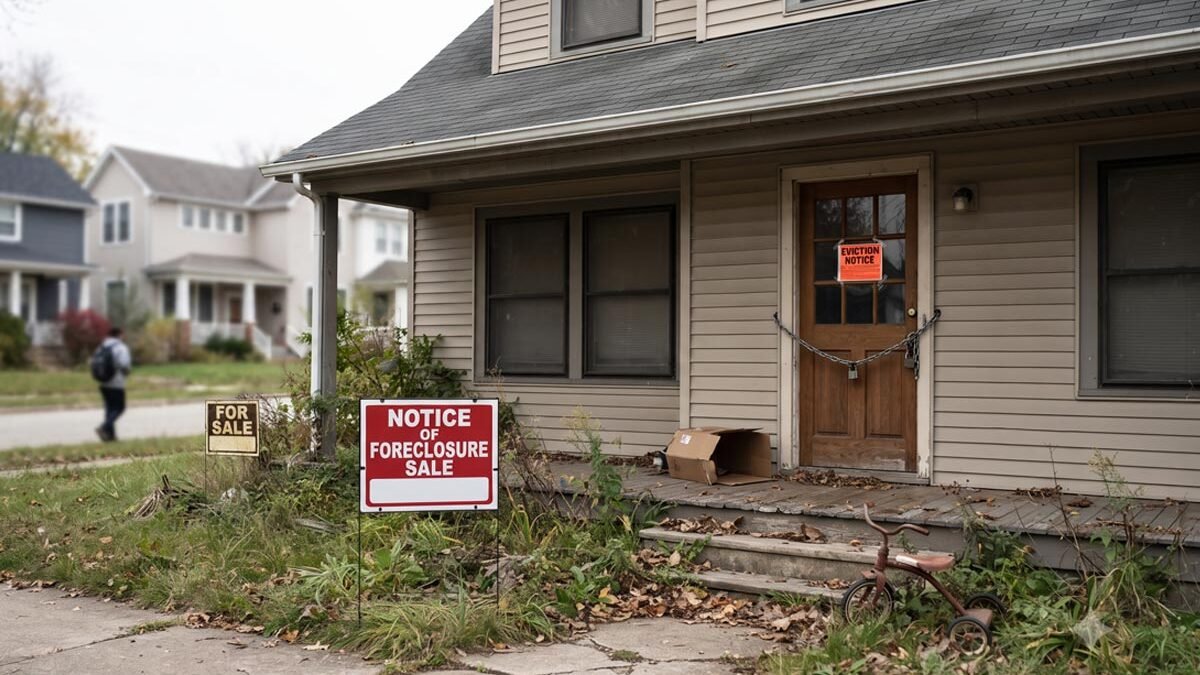
Delinquent mortgages are on the rise throughout the United States. In the first quarter of 2026, the Federal Reserve Bank of New York reported that about 59,000 people had a new foreclosure added to their credit reports. By the second quarter, 1.52% of mortgage balances were newly sliding into serious delinquency, meaning 90 or more days late, up from 1.29% a year earlier.
Even when facing foreclosure, homeowners can look into different options, including both legal and financial routes, that can prevent the loss of their home.
Homeowners experiencing mortgage stress should immediately inform their lenders about their situation. Contacting the bank is one of the most effective ways for them to avoid foreclosure. Homeowners should know that there are regulations in place at the federal level that prevent lenders from initiating the process until a homeowner is more than 120 days behind on mortgage payments, but the remainder of the process is governed by state laws.
When the time comes to protect their homes, owners have the option to pursue all avenues to stop the foreclosure process in its earliest stages. The process begins with owners investigating their rights and researching their options.
Foreclosure Doesn’t Happen Overnight
Just one missed mortgage payment won’t result in foreclosure. Before the process can even begin, the law mandates that a homeowner be more than 120 days late on their mortgage payments. In South Carolina, the requirement that foreclosure go through the court system means the process typically takes longer. It also gives the borrower a formal chance to respond in court.
Texas is different. Most foreclosures there skip the courts, but lenders must give at least 20 days to cure the default and 21 days’ notice before a sale.
These rules let people buy more time and try other ways to stop a bank from taking their house.
Loan Modification Can Restructure the Payments Themselves
A loan modification can change the interest rate, loan term, or other terms to fit a homeowner’s current finances. The lender has to agree, so borrowers should explain why payments fell behind and show how they can pay going forward.
Forbearance and Repayment Plans Offer Temporary Relief
In cases where there is only a temporary setback for homeowners and not a fundamental shift in their situation, an agreement on forbearance or on a structured repayment plan will give them enough time to get back on track.
This method is most effective in situations where the reason for the setback, like a job loss or a medical crisis, will eventually come to an end. The paused payments still have to be repaid later, through a lump sum, a repayment plan, or a loan modification.
Bankruptcy Can Trigger an Automatic Stay
As soon as the homeowner begins the bankruptcy process, foreclosure stops because an automatic stay takes effect for the length of the bankruptcy case. The stay remains in effect until the bankruptcy court says otherwise or the case is closed. Under Chapter 13, a debtor is allowed to catch up on mortgage payments if they make their regular payments and if the court approves their plan. With Chapter 7, no such plan exists, so it usually just delays foreclosure.
A Hardship Letter Often Supports Every Other Option
When attempting to obtain a loan modification, forbearance, or any other sort of assistance, the process often involves writing a letter of hardship to provide background information about the reasons for the inability to pay on time. In the letter, a person can cite job loss, medical expenses, divorce, or a major life event as reasons for their inability to pay on time.
Real Estate Considerations Extend Beyond the Foreclosure Itself
Foreclosure may also involve a range of property issues, especially for an owner who must decide on selling, refinancing, and addressing liens and encumbrances.
A York residential real estate attorney notes that residential real estate transactions routinely involve title searches to confirm a property is free of liens, along with the negotiation and review of legal documents tied to a sale or refinance. These actions can become directly relevant for a homeowner weighing alternatives to foreclosure that involve the property itself changing hands.
Why Acting Quickly Preserves the Most Options
If foreclosure proceedings have begun, they can quickly affect homeowners. Options for dealing with them become more limited than during the previous notice period.
Homeowners who contact an attorney as soon as a default notice is issued, rather than waiting for a sale date, tend to have more room to negotiate.
Building the Right Strategy for Your Specific Situation
No single approach fits every situation when deciding how to address debt or a property issue. The specific facts of a case will dictate whether a person should choose a loan modification, bankruptcy, forbearance, or selling the property. That includes what caused the financial trouble and how far the foreclosure has progressed.
Homeowners who are familiar with all their available legal options and act quickly are in the best position to avoid foreclosure.