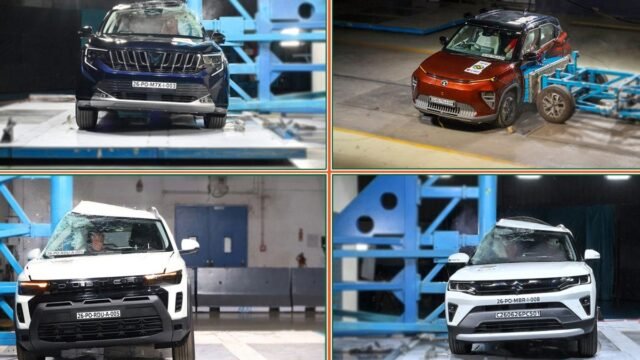
1.77 Lakh lives were lost to Road accidents in 2024 in India. The Indian government hasn’t released the 2025 Data yet, but according to some estimates, the number comes to around 1.83 Lakh. If I talk about 2023, 1.73 Lakh people were killed. If I talk about 2022, 1.68 Lakh people were killed in road accidents, and in 2021, 1.53 Lakh people died. You can see the death toll is rising year by year, which is concerning thing.
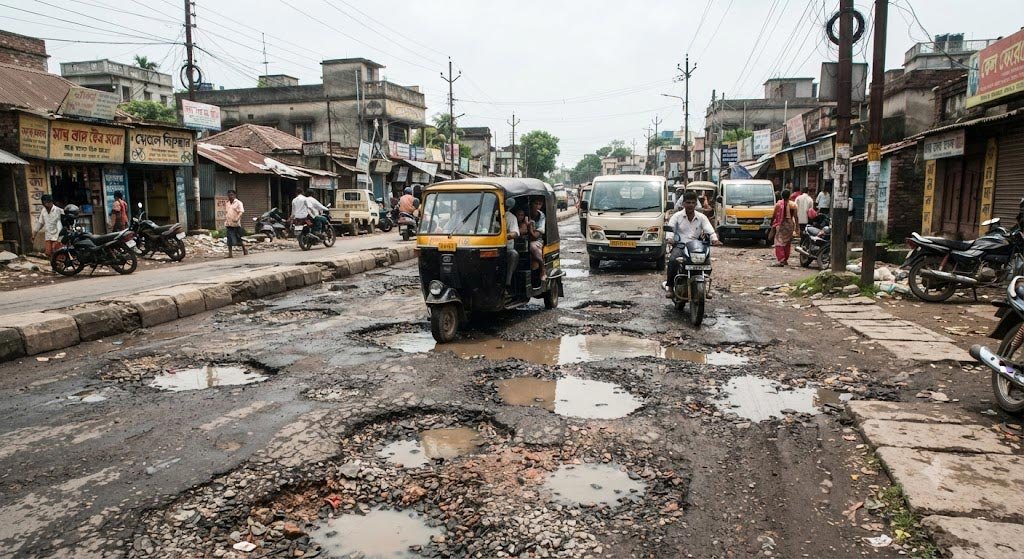
Now, let me break down the 1.73 lakh number and tell you the main causes that kill people on Indian roads. The major cause of deaths is overspeeding; it accounts for 68.1% of total deaths, which comes to around 1,17,813 deaths. Two-wheeler deaths amount to 44.8%, which comes to 77,850 deaths. Other factors kill people on the road, like wrong-side driving about 9500, potholes around 2,161 and about 35000 pedestrians killed on the road.
So you see the stats and realise the death toll is rising, and the major reasons are overspeeding, and most people vulnerable on the road are two-wheeler riders. These high death rates make our roads one of the most dangerous in the world, and we account for 11% of total road accident deaths in the world. So what can we do about it and reduce road accidents in India? Hopefully, we have some solution for this, and we can make our roads safer, but we have to acknowledge that this is an issue and work together to solve this issue.
Let me provide you with some solutions to reduce road accidents in India
1. Strict License Rule
In India, we have a driving/riding test to obtain a license, but it is easily bypassed with the help of a bribe of Rs 5000 or more. You can give a bribe and obtain a license without even knowing about the road rules and traffic laws, and without knowing how to drive/ride. Just imagine, a person without proper knowledge of driving, when driving on the road, can be devastating. This has to be stopped; according to me, this is one of the major reasons for road accidents in India.
Let’s see how to fix this
1 Written Test
A written test should be administered to individuals applying for a license. This should be a mandatory test. In this written test, there should be questions about road rules, traffic signs, lane markings and more. If a person clears this test, they should proceed to the interview round.
2 Interview
In this interview round, a person should be asked about traffic signs and lane markings, but should also be asked about real-world scenario questions, like “What is a zebra crossing?” “What is the use of a rear-view mirror?” “What should you do at an intersection where there is no traffic signal?” “Where to honk?” “What is high/low beam and where to use it?” and more. BTW, if you know the answer to these questions, you can drop it in the comments below. I want to know how many of you are aware of these. If a person gives the right answer to these, then they should proceed to a comprehensive Drive/Ride test.
3 Comprehensive Drive/Ride Test
This is the test that should be thoroughly done with the help of an instructor in real-world conditions. First of all, a person should drive/ride in traffic, which would test their ability to handle traffic pressure, how they handle their vehicle in traffic, and most of all, whether they are calm and patient, because it is required for a person to maintain their sanity to drive/ride properly.
After this, they should drive on open roads in the city to test their city speed driving/riding ability. Are they maintaining lanes? Are they able to maintain the speed? Signalling properly? Are they alert and not distracted?
After this, a proper highway high-speed test should be conducted, as this is where most people struggle to maintain speed and drive/ride cautiously. Most of the deaths in India happen on the highway. Only 2% of roads in India are highways, and 36% of deaths happen on highways. So this is very important. A driver/rider has to be tested on whether they are maintaining speed, maintaining lanes, properly following the road signs and whether they are alert. Everything must be tested properly.
Night driving/riding has to be tested thoroughly, as most people do not understand lanes, high beam, low beam and generally how to drive at night. Here, an instructor should teach them about what is the use of the high beam and low beam and how to correctly use them. How to correctly use the lanes to be safer on the road at night.
Along with this, a driver should also be tested for parallel parking, reversing, and hill driving; these are things a lot of drivers struggle with, even the experienced ones. So they have to be tested for these.
After all these test if cleared properly, then they should get a licence. And a person who is renewing a licence should also go through these, as it is important because when they acquired the licence, they might not have been tested properly.
Even if these things are implemented and corruption is there, nothing will make sense, so the government has to make these things stricter and end corruption. Or else lakhs of people will keep on losing their lives.
Now let’s move to Education
2. Education on Road Safety
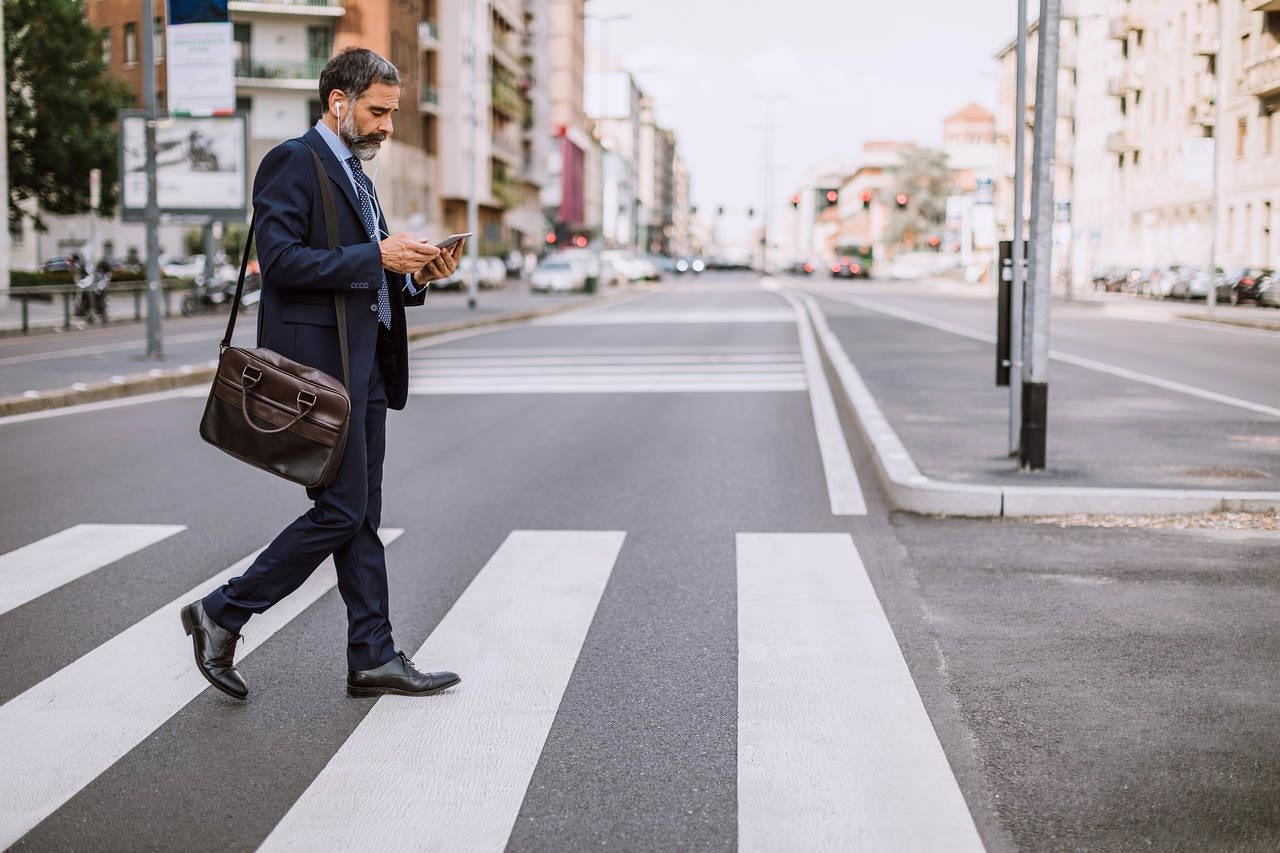
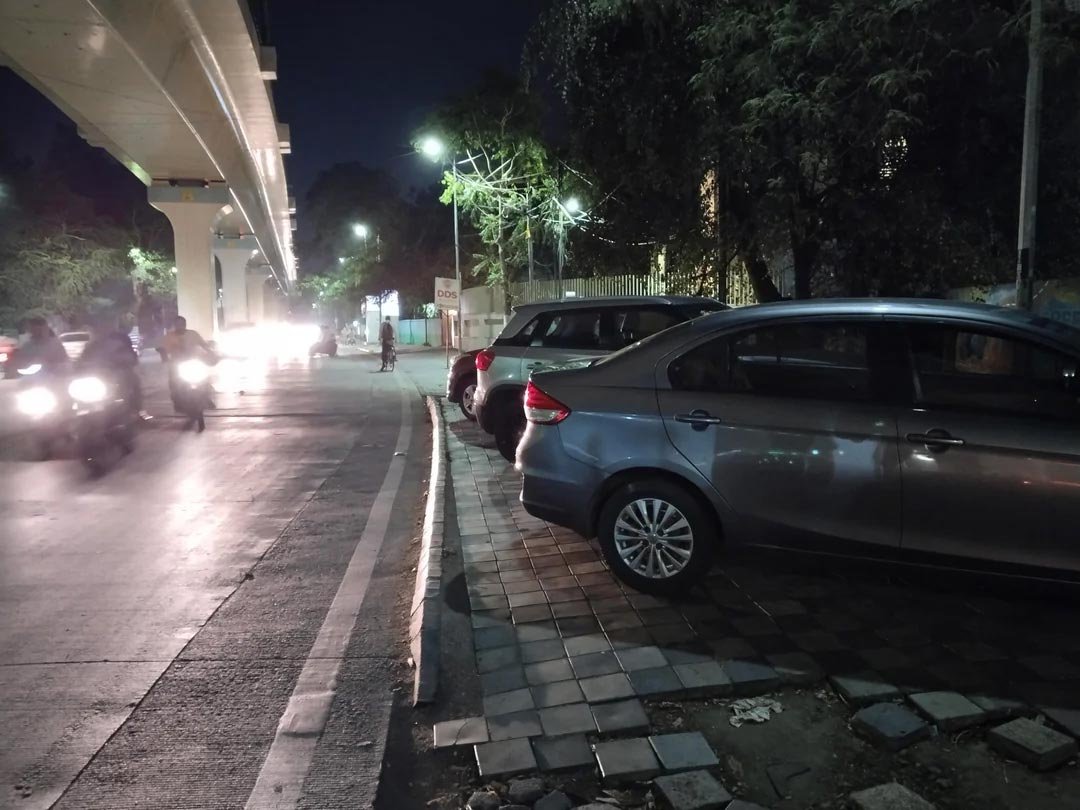
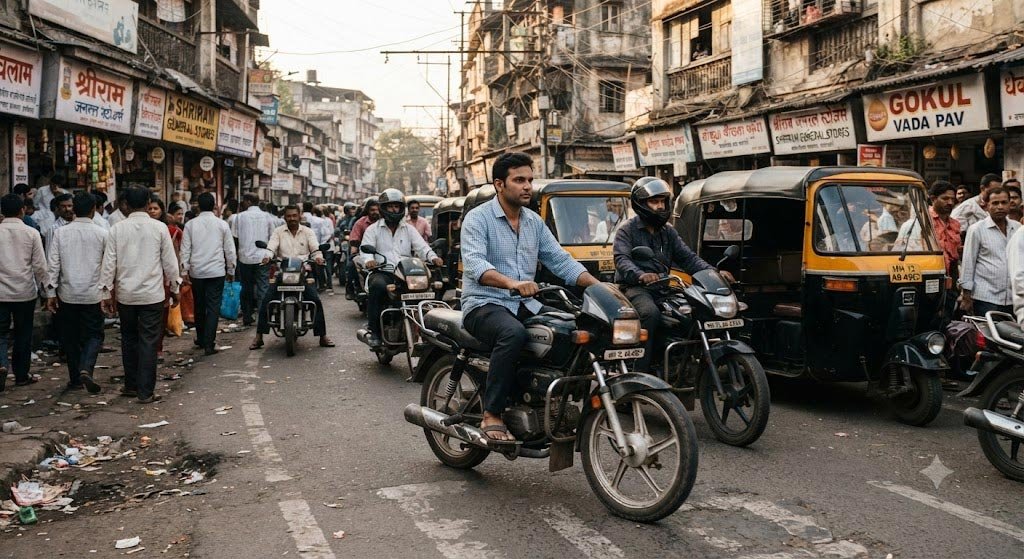
This is something each and everyone ignores; we treat education as an important thing when it comes to our career, but not when it comes to road safety. I can assure you that even an experienced rider or driver would not know a lot of road signs. Which is why road safety education is important.
We have a lot of challans for traffic violations, but think for a moment: a person who is driving/riding does not know about the road rules and laws; how is going to follow them? So we need proper education with challans.
Road Safety Education for Children
The government should make road safety education mandatory for school children. I know they are not driving or riding now, but they use roads as pedestrians. Each one of us uses the road, even if you dont drive or ride; even the kids in school. So we need to make road safety education as mandatory as they use the road today and they are our future generations. So in future, when they buy a car or bike, they will drive more cautiously and will have a better understanding of our roads.
Incentive-Based Program
For the existing riders/drivers, the government can run some awareness campaigns, using influencers, radio stations, and other media. And we, as influencers, also have a responsibility to educate people wherever possible.
One thing, according to me, which can be implemented is an incentive-based program. The traffic rewards program was an innovative program run in Nagpur, Maharashtra. I also enrolled in it, but as it was a pilot program, it didn’t work out well, and the app does not exist anymore. We need this kind of incentive-based program throughout the country.
In this Incentive-based program, the government can reward a good rider/driver for following road and traffic laws. Like following lanes, not breaking traffic signals, maintaining the speed limit, signalling properly and more. And these points can be redeemed by a citizen in the form of a discount on fuel or a discount on vehicle maintenance. This way, a citizen will be more inclined to follow traffic rules in a much better way.
3 Road Infrastructure
Definitely, strict licensing rules and education are crucial, but road infrastructure is equally important. As I mentioned earlier, around 2,800 people lose their lives solely due to bad road infrastructure and potholes. To put that into perspective, Germany records about 2,700 to 2,800 total road accident deaths in an entire year, whereas in India, that many people die just from potholes!
While the government is building thousands of kilometres of national highways and converting streets to concrete, quality remains a major issue. Inner streets and alleys often rely on bitumen that washes away every monsoon, turning roads into gravel tracks where two-wheeler riders face extreme skidding risks. Even on expressways like the Samruddhi Mahamarg, drivers often encounter uneven surfaces and broken, gravel-strewn patches where bridges connect to concrete sections. We are developing roads rapidly, but the quality is simply not up to the mark. Some ministers argue that bad roads and potholes are actually good because they force people to drive slower and reduce road accidents in India, but that is flawed logic. Germany has the Autobahn with stretches featuring no speed limits, yet their fatality numbers remain relatively low because drivers possess proper discipline, vehicle control, and comprehensive road education.
To fix our road infrastructure:
- Proper Markings and Lighting: Every road, from small alleyways and city streets to single-lane and multi-lane highways, must feature proper lighting, clear road signs, and visible lane markings. When patchwork or repairs are done, lane markings are often forgotten, which becomes extremely dangerous during night driving or when blinded by high beams. Remaking and remarking lanes after any repair work is vital.
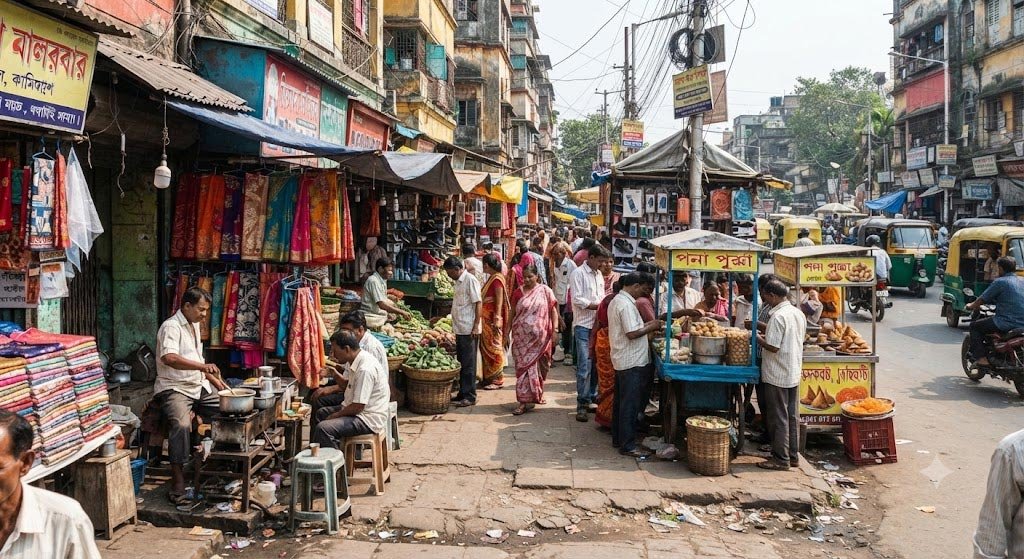
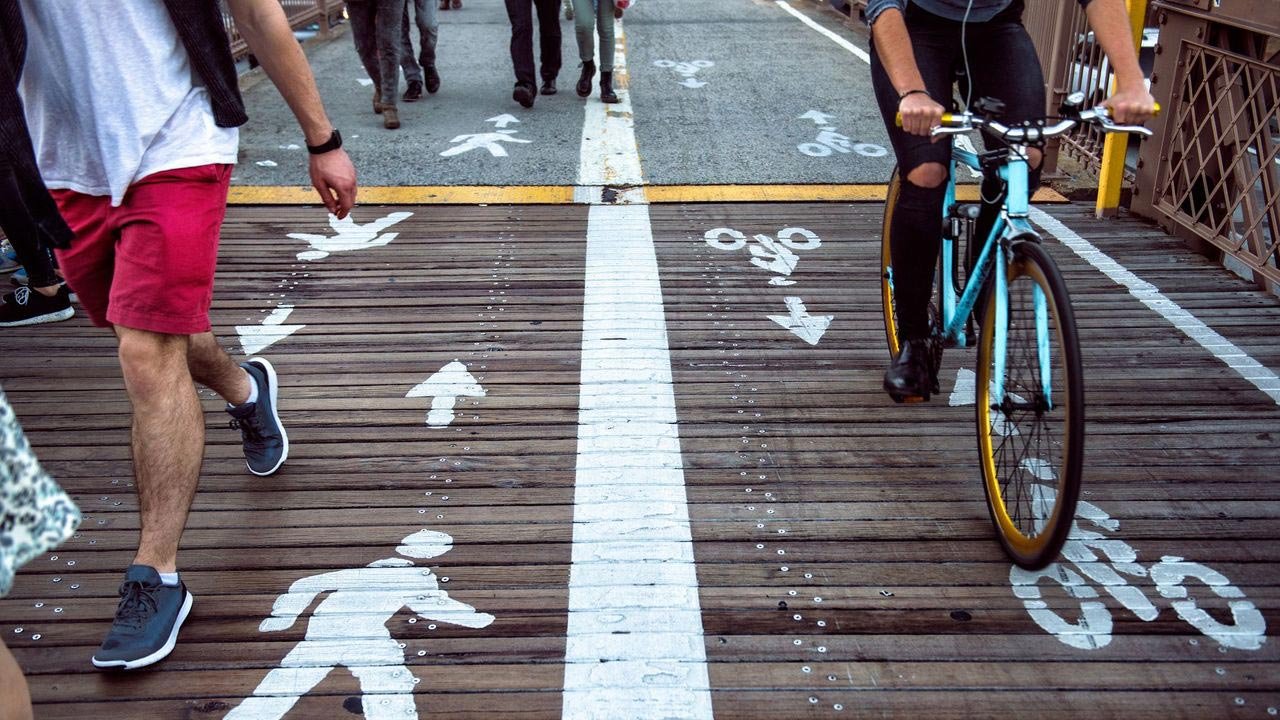
- Pedestrian and Cyclist Friendly Design: Roads are not just for cars, trucks, and bikes; they must accommodate pedestrians and cyclists. Cities like Chandigarh and Pondicherry are known for having better pedestrian- and cyclist-friendly infrastructure, and we need that standard implemented nationwide. Often, large footpaths end up misused as makeshift car parking spaces or vendor stalls due to poor urban planning. Planners should properly balance footpath width with designated cycling lanes and parking bays.
High Beam vs. Low Beam Awareness
Many drivers are unaware of how to use high and low beams properly, often leaving their headlights permanently switched to high beam. With modern cars featuring automatic headlamps that default to high beam in low visibility, the problem has worsened.
- A Recommended Solution: Just as the government mandated active safety features like ABS, ESC, and six airbags, cars should come with a default setting where the headlights start on low beam every time the vehicle is turned on. If a driver wants high beam, they should have to switch to it manually, helping educate drivers and making nighttime highway driving much safer.
Foolproof Surveillance and Challan Systems
Automated camera-based challan systems exist in major cities, but they are lacking or inactive in tier-2 and tier-3 cities and smaller highways. Human psychology relies heavily on the presence of oversight; people naturally follow rules when they believe a camera or police officer is watching. The government must expand and refine a foolproof, glitch-free digital surveillance and challan system across all regions. And it should be used only for challans, not for personal surveillance.
Practical Tips to Stay Safe Right Now
While waiting for systemic changes in licensing, education, and infrastructure, we can protect ourselves by staying alert on the road.
For Two-Wheeler Riders:
- Wear Helmets and Shoes: Always wear a proper helmet and sturdy shoes for essential protection while riding.
- Use and Maintain Rear-View Mirrors: Never remove your mirrors for aerodynamic myths. Check them every few seconds to stay aware of surrounding traffic.
- Check Blind Spots & Use Indicators: Glance over your shoulder before changing lanes, and always use your indicators so drivers behind you know your intentions.
For Car Drivers:
- Keep Mirrors Open: Do not fold your outside rear-view mirrors; they are critical for judging width and spotting traffic given modern car sizes.
- Check Blind Spots & Shoulder Checks: Enclosed cabins reduce visibility, so always do a quick shoulder check and use your indicators before making a turn or lane change.
Parking Discipline:
- Urban parking congestion is growing, but drivers often insist on parking directly outside a shop instead of walking 20 to 50 extra steps. Utilising nearby parking plazas and avoiding chaotic multi-lane roadside parking helps prevent traffic jams, reduces accident risks, and gives you a bit of healthy exercise.
Avoid Reckless Habits:
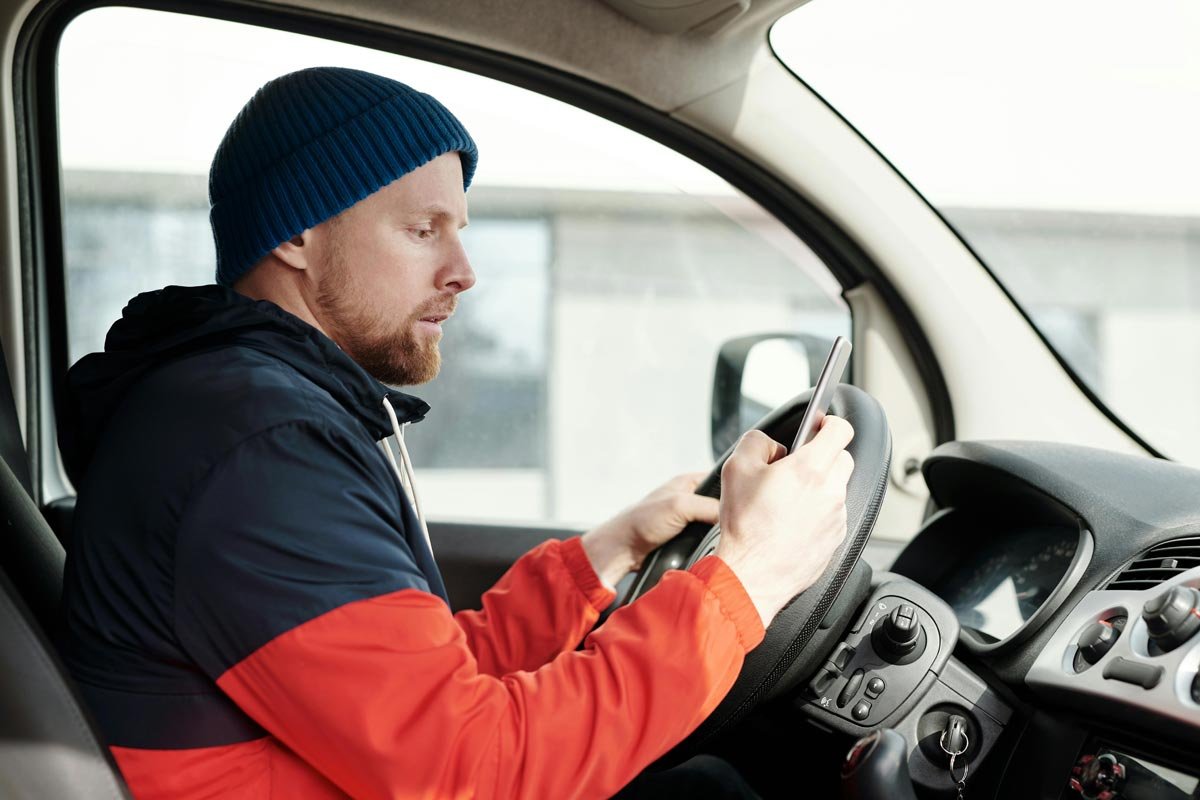
- Never use your phone while driving, don’t jump signals, and never drive on the wrong side. Many people assume they possess superior driving skills and won’t crash, but a moment of carelessness can make you part of the tragic annual death statistics.
Responsibilities for Pedestrians and Cyclists
Roads are shared spaces used by everyone, whether walking, cycling, or driving. Pedestrians also share responsibility for road safety:
- Walk on Footpaths: Always use footpaths where available. If there is no footpath, walk facing the oncoming traffic so you remain alert and aware.
- Cross Safely: Always cross at zebra crossings or intersections rather than stepping out randomly.
- Stay Unplugged: Avoid using mobile phones or wearing headphones while walking so that your ears and eyes work together to maintain spatial awareness.
Conclusion
Making Indian roads safer requires a collective effort. While we all make mistakes, we can choose to change by stopping at red lights rather than jumping them, following lane discipline, using indicators, eliminating wrong-side driving, and not using phones while driving/riding. Also, being alert all the time when using the road. Together, we can transform India’s roads and shift our reputation from having some of the world’s deadliest roads to some of the safest.
What do you think about my solution? Do you have any other suggestions to reduce road accidents in India? Let me know in the comments.