The Honda Elevate has always been mechanically sound, boasting one of the best naturally aspirated engines in the segment, excellent ground clearance, and a balanced ride. However, the pre-facelift model lost buyers due to high Noise, Vibration, and Harshness (NVH) levels and a lack of modern tech features. With the latest Honda Elevate facelift, Honda attempts to address these exact pain points.
Here is a detailed breakdown of what has changed, what hasn’t, and whether the new Elevate is worth your money.
Engine and Performance
At its heart, the Elevate retains the tried-and-tested 1.5L i-VTEC naturally aspirated (NA) petrol engine, producing around 120 horsepower and 145 Nm of torque.
- Linear Power Delivery: While you won’t get the sudden surge of a turbo-petrol engine, the i-VTEC delivers smooth, linear power. It revs happily to 7,000 RPM, offering a highly engaging driving experience on the highway.
- Long-Term Reliability: In an era of complex turbochargers and ethanol-blended fuels, this NA engine offers peace of mind. It is robust, cheaper to maintain, and less sensitive to fuel quality variations compared to its turbocharged rivals from Skoda or Volkswagen.
- Fuel Efficiency: Expect around 10-12 km/l in the city and 16-17 km/l on the highway.
Ride Quality and Dynamics
Honda nailed the suspension tuning on the Elevate. It strikes a perfect middle ground; it isn’t overly soft and bouncy like the Hyundai Creta, nor is it strictly firm like the VW Taigun. It glides over rumble strips and potholes with ease.
Paired with a segment-leading 220mm of ground clearance, the Elevate is completely stress-free on bad roads. The steering setup is slightly heavy, giving you confidence and stability at triple-digit speeds without being a chore to manoeuvre in the city.
The NVH Improvement
The biggest complaint about the older Elevate was the intrusive wind and road noise inside the cabin. Honda has successfully rectified this. The cabin is now significantly quieter, with wind buffeting and tyre roar heavily suppressed even at highway speeds.
What’s New: Exterior and Interior Updates
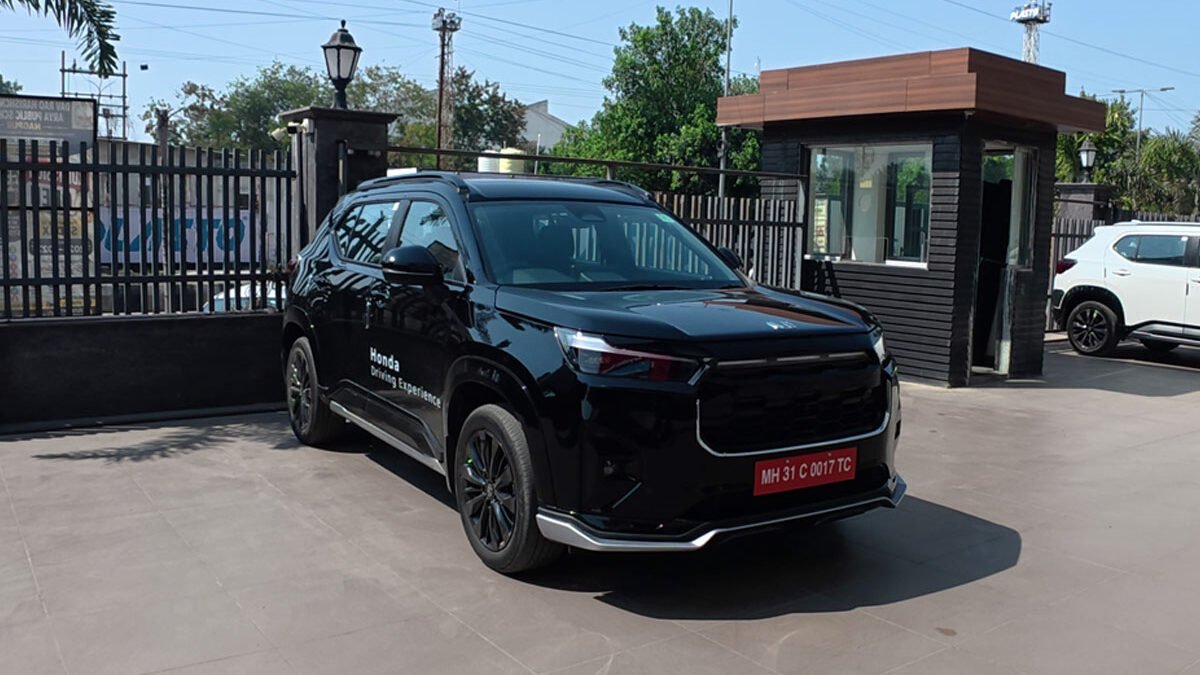
Honda has slightly tweaked the boxy, proportionate design and heavily upgraded the feature list, particularly in the new top-tier ZX Plus variants.
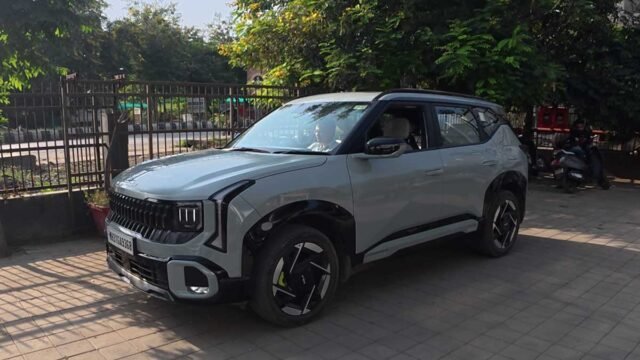
- Exterior Tweaks: The thick front chrome band has been replaced with a sleeker gloss-black panel. It now features connecting LED DRLs at the front and connecting LED taillights at the rear.
- Cabin Upgrades: The interior now features an 8-way power-adjustable driver’s seat, extensive soft-touch materials on the dashboard and door pads, and single-colour ambient lighting.
- Ventilated Seats: Honda has added seat ventilation for both the front and rear passengers, a rare addition in this segment.
- Upgraded Tech: A crisp, high-quality 360-degree camera has been added, though Honda strangely retained the older, lower-resolution Lane Watch camera on the left mirror, creating a jarring quality difference when switching views.
ADAS Upgrades
The Level 2 ADAS suite (camera-based) returns, but the CVT automatic variants receive a massive upgrade: Stop & Go functionality for Adaptive Cruise Control. In bumper-to-bumper traffic, the car will now automatically brake to a complete halt and accelerate as the car ahead moves, drastically reducing driving fatigue.
The CVT vs. Manual Disparity
Honda anticipates that 75% to 80% of Elevate buyers will opt for the CVT automatic, and they have unfairly restricted several key features exclusively to the automatic variants. If you buy the Manual transmission, you will miss out on:
- Rear disc brakes (Manuals only get drum brakes).
- Electronic Parking Brake with Auto-Hold (Manuals get a traditional handbrake).
- Front Type-C charging ports (Manuals get a standard USB port and wireless charging pad instead).
- Stop & Go ADAS functionality.
Areas for Improvement
Despite the fixes, a few glaring omissions and quirks remain:
- Air Conditioning at Standstill: Just like the previous model, the AC compressor seems to cut off or reduce power when the car is stationary at a traffic light for more than 30 seconds. This reduces cabin cooling and weakens seat ventilation until you start moving again.
- Missing Features: There is still no panoramic sunroof (it gets a standard single-pane unit), and rear window sunshades are absent, a frustrating omission for rear-seat comfort in summer.
- No Hybrid Option: Despite having the technology readily available in the Honda City, the Elevate still lacks a strong hybrid powertrain option.
Honda has taken a mechanically excellent vehicle and polished its rough edges. The NVH levels are sorted, and the cabin feels significantly more premium with the new feature additions. If you prioritise a reliable engine, sorted driving dynamics, and a robust suspension over having every single gimmick in the brochure, the Elevate remains one of the smartest buys in the mid-size SUV segment.
So, would you now consider the Honda Elevate after the facelift? Let me know in the comments