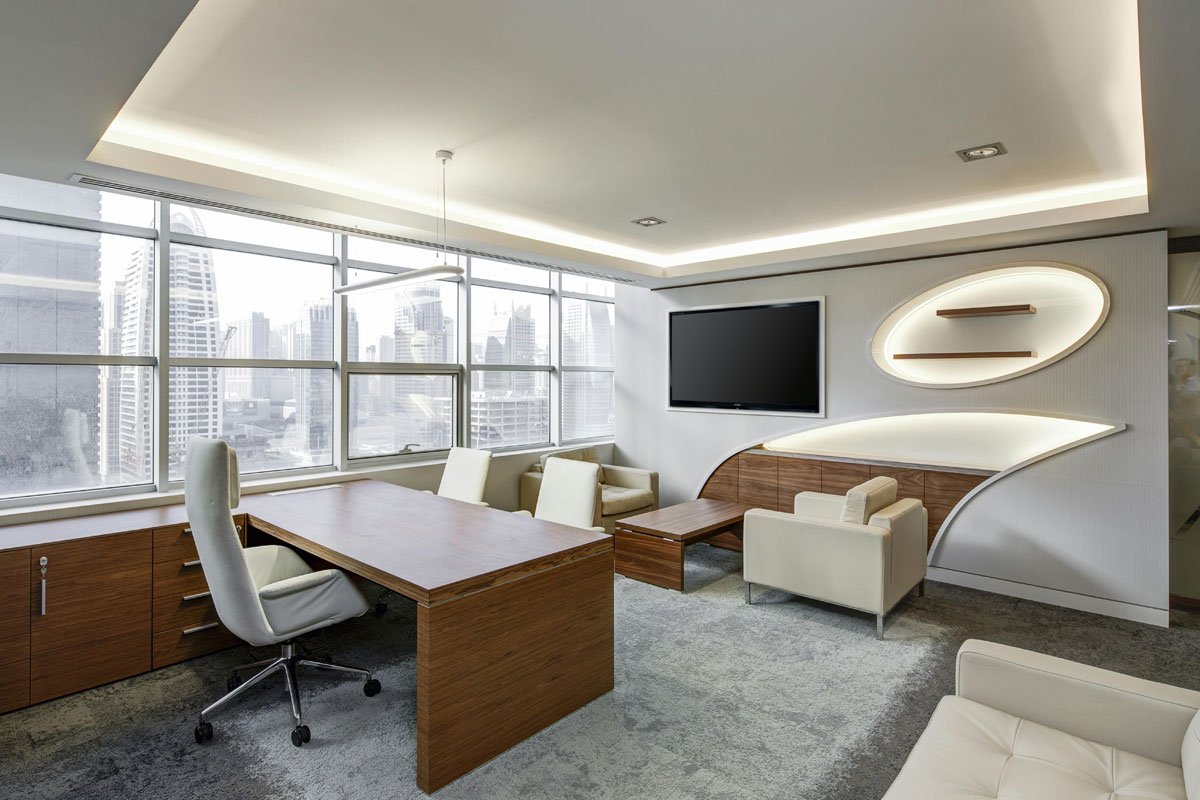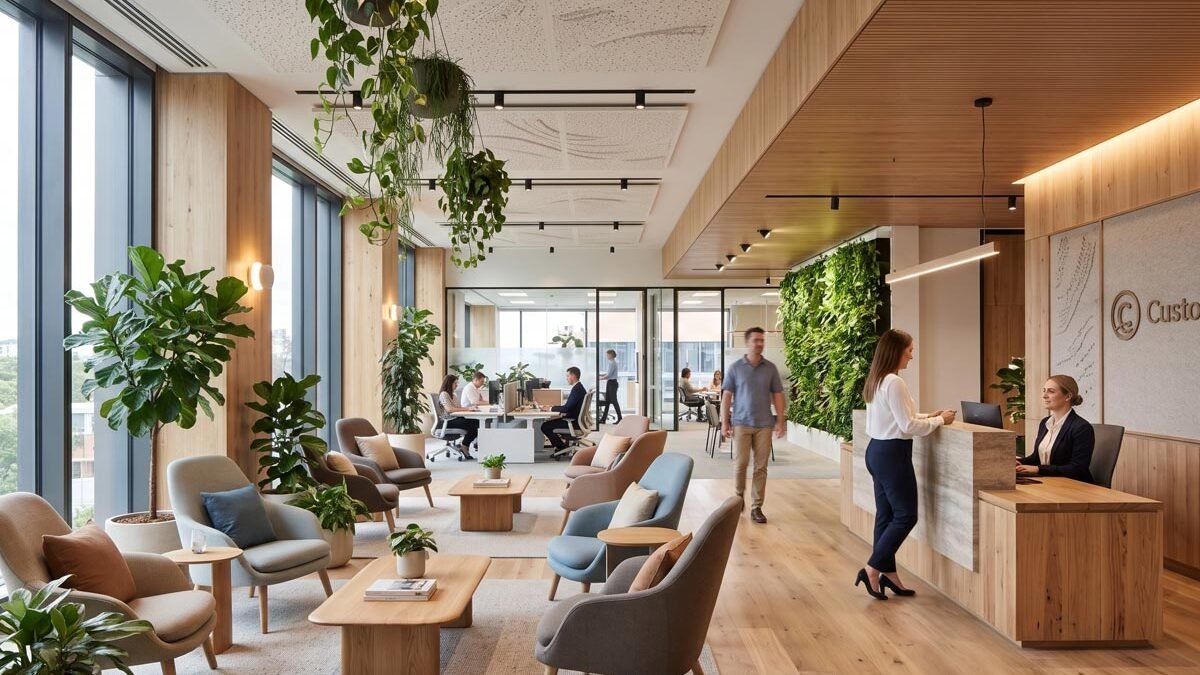
When business owners look for ways to increase revenue, they often focus their budgets entirely on digital marketing campaigns, software upgrades, or new product launches. However, one of the most powerful tools for driving long-term business growth and customer loyalty is actually the physical space where a company operates. Strategic commercial design is no longer just about choosing the right paint colours or arranging desks in an open-plan office. It is a fundamental financial investment that directly shapes consumer behaviour, improves employee productivity, and builds lasting brand loyalty in an increasingly competitive market.
The Tangible Return on Strategic Layouts
The financial impact of a well-planned workspace is highly measurable and significant. According to industry indices, companies that prioritise strategic design can grow their revenues significantly faster than industry peers over a five-year period. This growth is driven from the inside out. A commercial workspace designed with clear operational purpose can lift overall employee productivity by up to 25% while significantly reducing workplace absenteeism. When spaces are built to facilitate efficient workflows, staff spend less time navigating poorly laid-out areas and more time focusing on core business tasks.
Furthermore, businesses that optimise their physical environments to focus on workplace wellness see a dramatic increase in staff retention rates. When employees feel comfortable and supported in their daily environment, their improved morale naturally translates into better customer service. Companies with high customer experience maturity frequently achieve much faster revenue and profit growth compared to their direct competitors. Simply upgrading retail and commercial spaces to prioritise environmental comfort can yield a notable revenue lift well above the industry average.
Reducing Friction in High-Stress Environments
The profound impact of physical space on consumer psychology becomes especially clear in high-stress service sectors. In healthcare settings, for example, interior layouts are a critical factor in both patient comfort and business retention. If a clinic feels cold, overly sterile, or poorly lit, customers are far less likely to return. Consider how specialists approach dental surgery design to transform a traditionally stressful appointment into a calming, welcoming experience. By integrating specific spatial flows and residential-style comforts, clinics can actively reduce patient anxiety before they even reach the treatment chair.
A recent clinical review demonstrated that integrating specific colour tones and calming imagery into these spaces significantly reduces patient stress levels. Colour psychology research confirms that utilising cool tones, such as soft blues and greens, produces measurable physiological effects, including lowering a patient’s resting heart rate. By carefully managing the physical environment, businesses can turn a routine medical or service appointment into a premium customer experience that strongly encourages long-term loyalty and positive word-of-mouth referrals.
Key Elements Driving Modern Fit-Outs
Heading into the latter half of 2026, the interior fit-out market is experiencing significant expansion. The vast majority of consumers belong to at least one loyalty program, but physical brand experiences still heavily influence their continued engagement. Consumer surveys consistently show that a positive physical brand environment, paired with strong loyalty incentives, makes customers visit a business much more frequently. Top-performing businesses recognise that their loyal customers are significantly more likely to recommend the brand to others when the physical space matches the quality of the service provided.
To capture this customer loyalty and maximise their return on investment, modern businesses are focusing on several specific design upgrades:
- Biophilic design and natural materials: Introducing natural wood, soft textiles, and residential-style warmth provides the highest perceived return on investment. This is particularly effective in reception and waiting zones where first impressions are formed.
- Acoustic management: Incorporating soundproofing and acoustic panels is categorised as a crucial design choice. This is especially true for minimising operational or clinical noises that easily trigger discomfort, distraction, or unease for both staff and visitors.
- Ergonomic furnishings: Investing in supportive, high-quality furniture ensures both employees and guests remain comfortable. This reinforces a positive psychological association with the brand while drastically reducing workplace fatigue.
Ultimately, the physical environment of a business serves as a silent but powerful ambassador for its brand. Whether operating a bustling retail store, a collaborative corporate office, or a specialised service clinic, the layout and aesthetics play a direct role in overall profitability. By investing carefully in strategic commercial design, business leaders can foster a highly supportive environment for their staff, greatly enhance the customer experience, and secure sustainable market growth for years to come.