Artificial Intelligence, i.e., AI, has recently become an integral part of our online experience. Whether you’re finalizing a recipe on ChatGPT or generating a social media post on MidJourney, knowing how to communicate here effectively has become a lot more important. This is where something called an AI prompt library can help.
What Is an AI Prompt Library?
Have you encountered this term somewhere but don’t really know what it means? Well, an AI prompt library is a collection of carefully curated, ready-to-use prompts that are geared to give you the best answers on generative AI platforms. Since they’re completely reusable, you don’t have to write them from scratch every single time you need a high-quality AI response.
Think about it this way, if prompts are short stories in a similar theme, AI prompt libraries are anthologies of different genres. So, prompts related to a particular topic generally appear in one AI prompt bank.
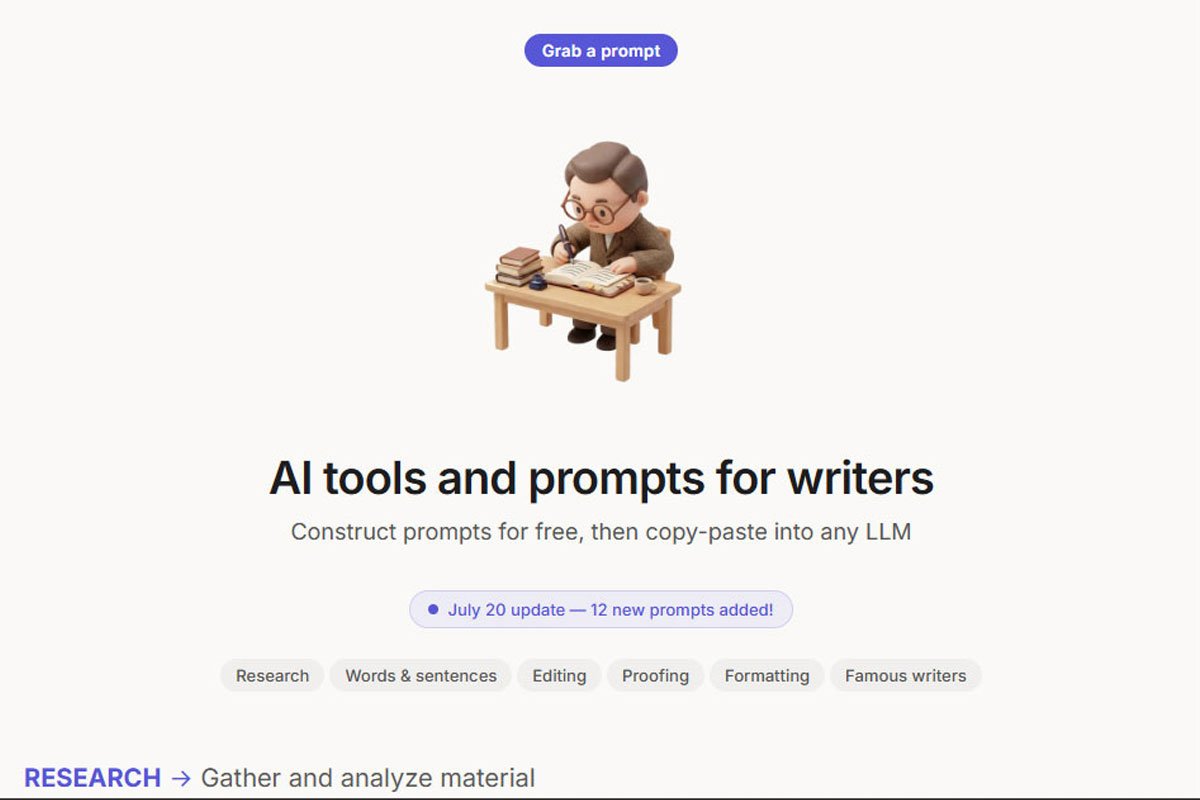
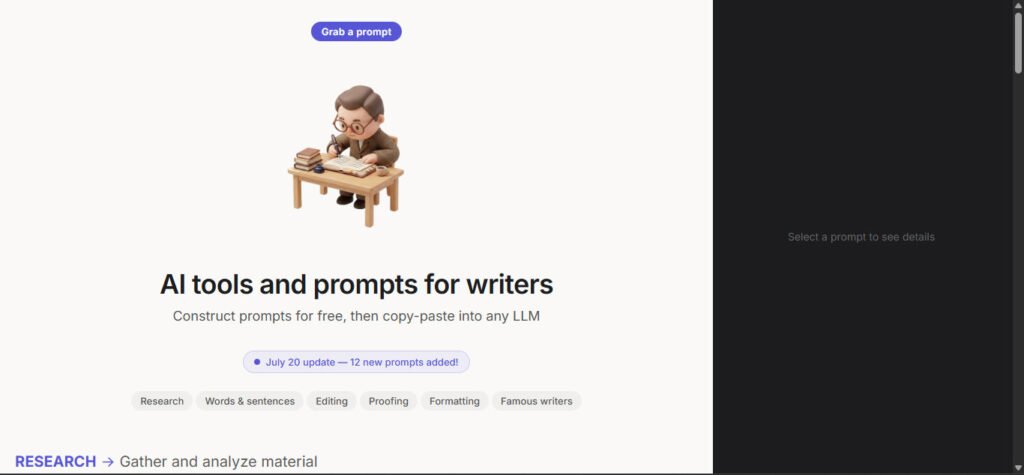
For instance, Wharton’s prompt library provides a list of templates for learning, teaching, and professional development. Whereas Grab a Prompt offers a list of reusable instructions for writers and editors. You can copy-paste the prompt from such libraries, personalize it to your needs, and send it off!
What Is a Prompt in AI?
The foundation of any AI prompt collection you see online is the reusable AI prompts. A prompt is an instruction you feed the AI or Large Language Model (LLM) to get the results you need.
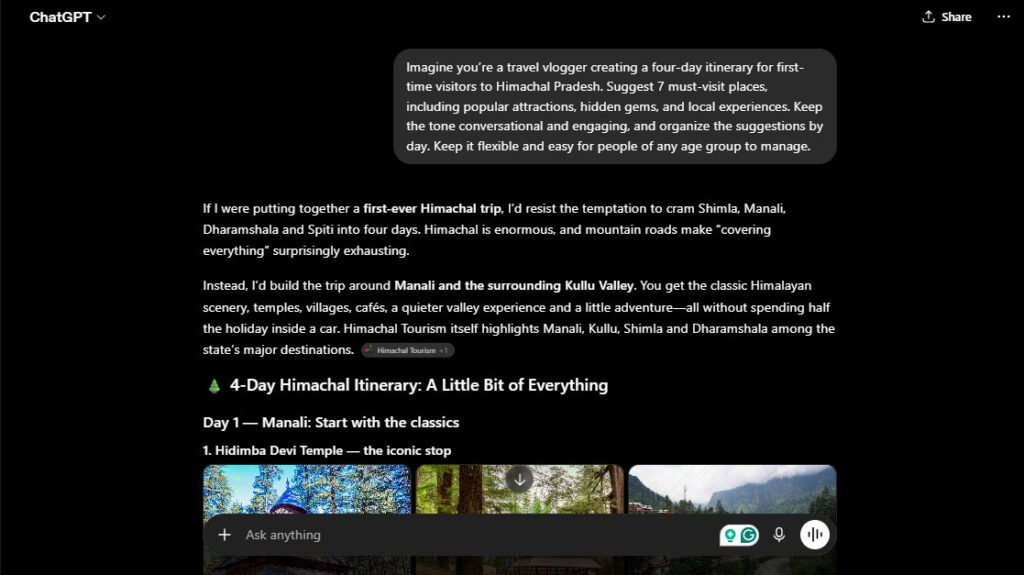
The more detailed and to-the-point your prompt is, the better output you receive from AI. That’s because AI relies on information you provide to understand your intent. So, if you give AI a vague prompt like, ‘Top 10 things to do at a <specific location>’, it will bring back a standard, ambiguous listicle. However, if your prompt is descriptive, complete with a context, audience, and a goal, the response you’d get is far more reliable and useful.

What Are the Advantages of Using an AI Prompt Library?
If you frequently work with AI, you already know how time-consuming prompt engineering, or writing the right prompt, is. Well, that’s one of the biggest benefits of an AI prompt bank; you get to skip the rewriting and retesting and shave down your work time.
But there are a lot more ways a prompt library can help you:
- Reusable AI prompts have been perfected by experienced users to work across a range of tasks. So, you already know from the start that the prompt’s output will be high-quality and effective. You don’t have to invest your effort into guesswork and revisions, making your work more productive.
- An AI prompt library offers plenty of room for personalisation. This way, you’re able to maintain your brand voice, no matter what type of content you need AI to generate. Whether you need to create a social media carousel or draft marketing copy, these prompt templates generate the results in your distinct tone and style.
- An added advantage of relying on AI prompt repositories is upskilling yourself! With AI prompt libraries, you learn what works, or not, with these prompts. With more time and practice, you can build your own prompt library that reflects your needs and goals. What’s more, you can also consider prompt engineering as a career.
How Can You Build Your AI Prompt Library?
Now that you have familiarized yourself with the concept of an AI-focused prompt library and its many benefits, the next important question becomes: How do you create one?
Well, putting together your own AI prompt library is a lot easier than you think. All you need is the right formula, the one that most high-performing templates follow, and a little organization to kickstart your own library.
Step 1: Identify Your Common AI Tasks:
Do you use AI to help create blog posts for clients’ social media or to plan personalised itineraries for all kinds of trips? Well, whatever you rely on AI for becomes the broad topic of your prompt library. If there is more than one subject, you can create multiple libraries.
Step 2: Write Your Prompts:
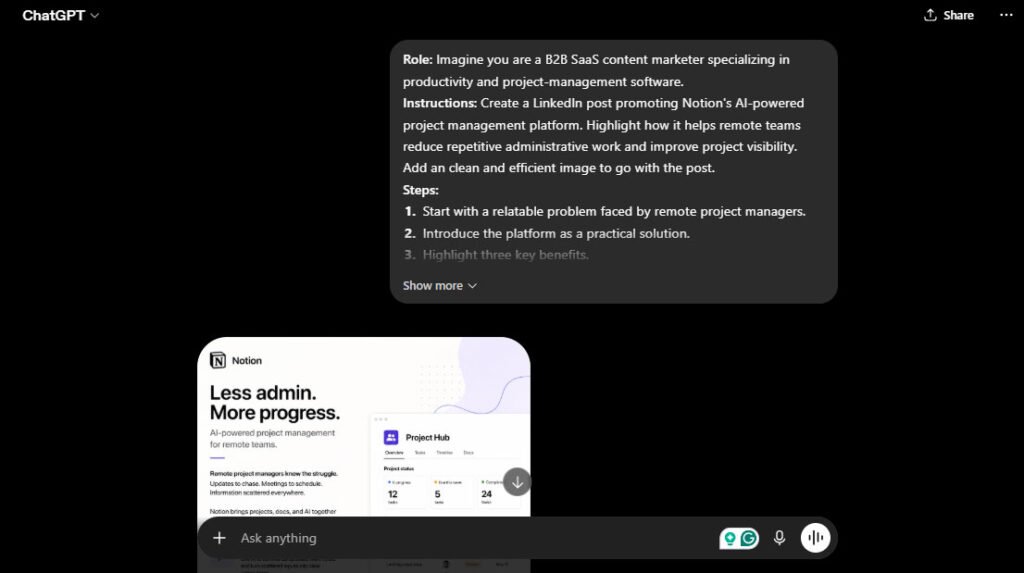
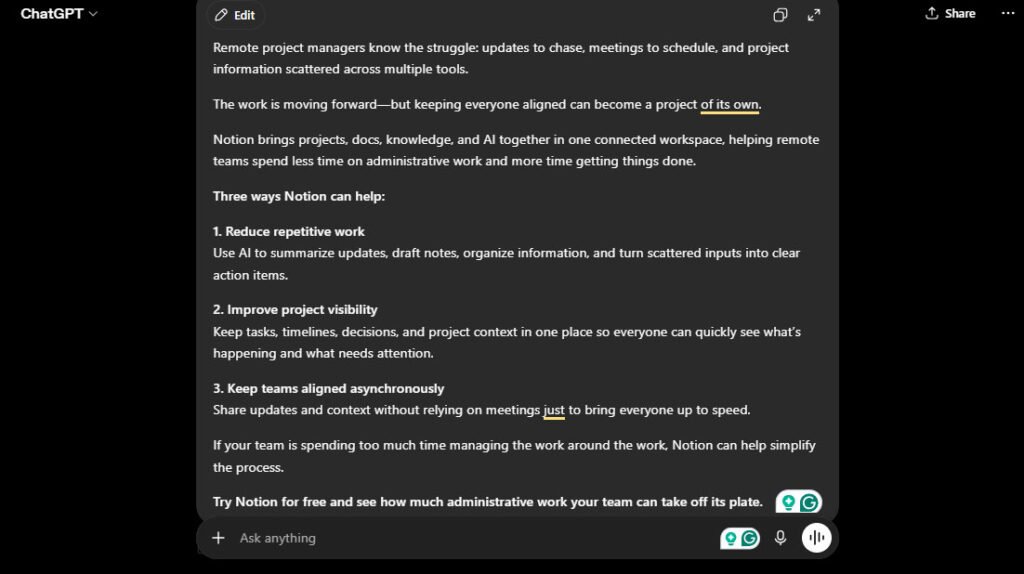
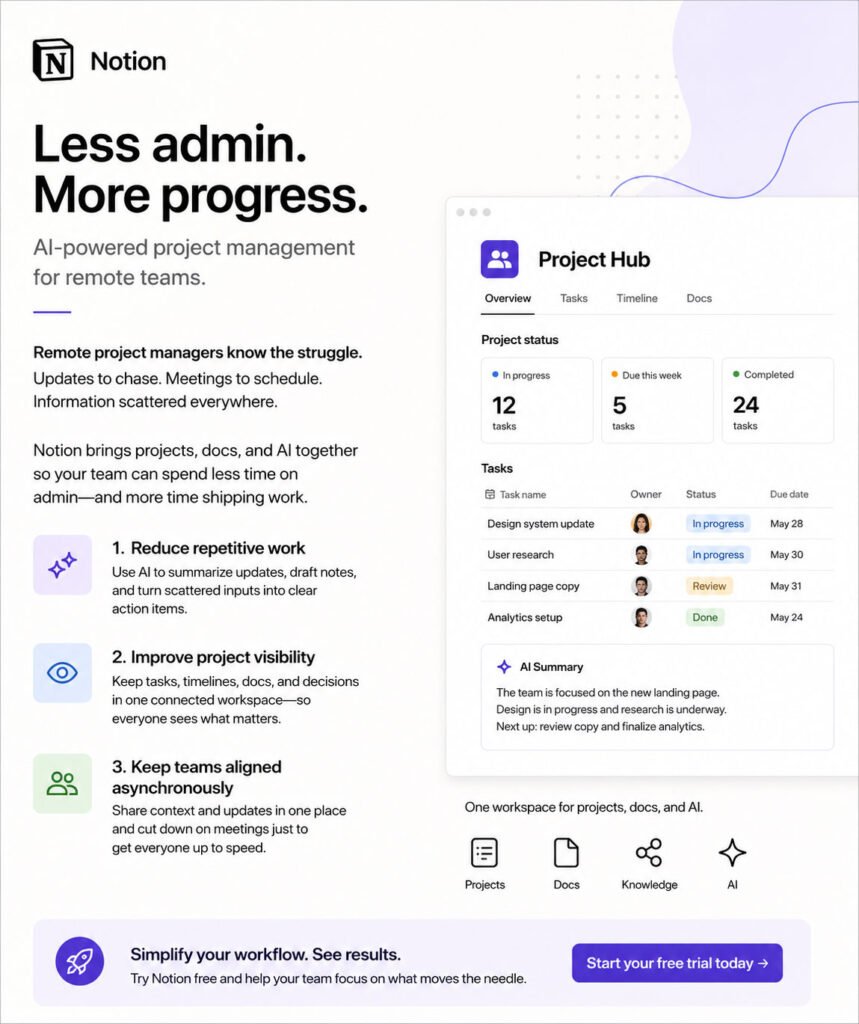
The next step is to actually work on the template for your prompts. It should include a role, i.e., who the AI needs to be, and clear instructions as to what it should do, and avoid, in that role. It should also include what your goal is and what format it should follow for the response. The University of Alaska calls this RISEN: Role, Instructions, Steps, End Goal, Narrowing Constraints.
Step 3: Test and Revisit… and Repeat:
When you deem your prompt ready, run it on the generative AI models you use frequently. Compare all the results with your expectations, if the answer is not up to the mark, tweak your instructions and test it again. You can create as many prompts as you’d like to fill up your prompt repository in one go. Admittedly, the process could get a little tedious, but it will save a lot of time for your future work.
Step 4: Organize Your Prompts:
Once you have created a bank of prompts in your chosen topic, it’s time to organize them. As mentioned above, if you have reusable AI prompts for different subjects, it’s better to group similar ones together for easy access. You can either create multiple smaller libraries or different categories in one AI prompt library, choose whatever helps you organize easily.
Step 5: Keep Reviewing Regularly:
AI models are not static, so it’s best to brush up the prompts in your library periodically. That means running them again, removing the outdated ones, and updating the ones that still work. Doing so regularly helps your prompt library benefit your work, and others’ work, if public, for a long time.
Top 3 Popular AI Prompt Libraries
Are you not ready to create your AI prompt repository just yet? That’s perfectly fine! There are many AI prompt libraries available online that let you copy and customize prompts created by experts and crowd/community alike. As each prompt bank has a different purpose, you may need to explore a few options to find the right one. Here are some libraries thousands of people rely on:
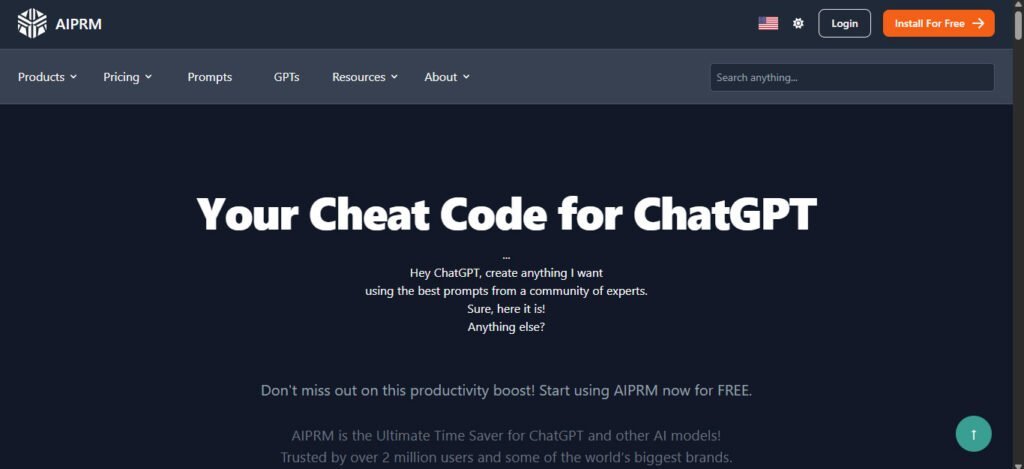
AIPRM:
This library markets itself as your cheat code for ChatGPT, and for a reason. It is essentially a Chrome extension that offers more than 5000 curated prompts across SEO, content writing, coding, productivity, and other categories. You can use the public prompts or create private ones, organize and reuse them to streamline your work.
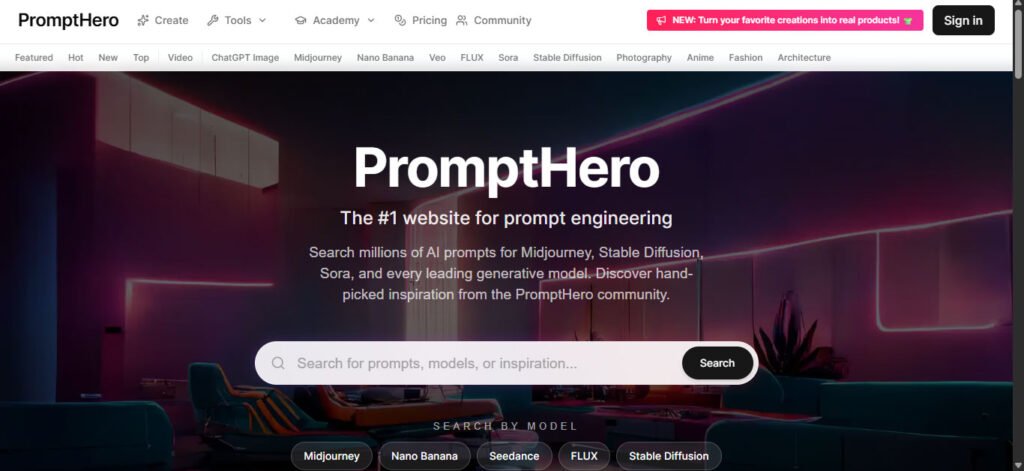
PromptHero:
If you primarily work with images, PromptHero’s quality image generation prompts, for Midjourney, Stable Diffusion, Dall-E, and other models, are ideal for you. You can search for your requirements, check the generated images, and copy the prompt that suits your vision. One of the biggest advantages of this platform is its visual-first feature, because you can see the output the prompt provides before even using it. It’s just a matter of personalizing it (or not) when you use it for your work.
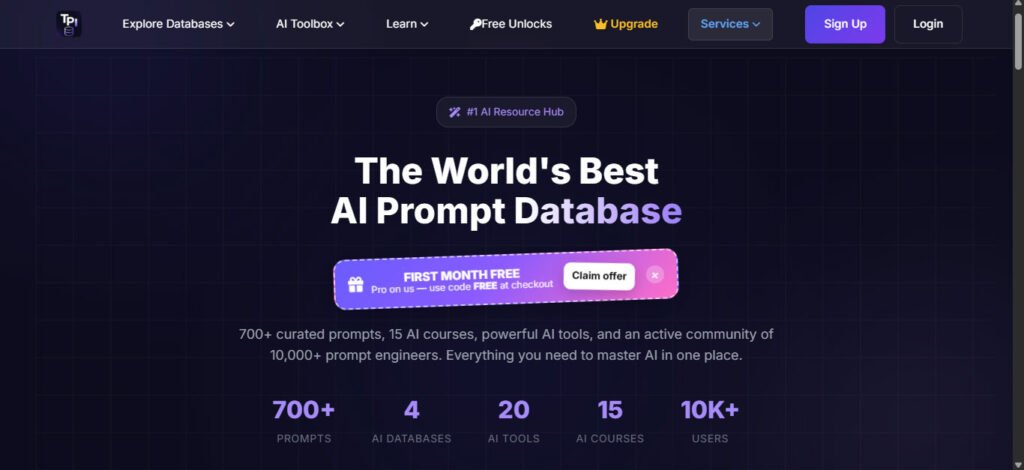
The Prompt Index:
This platform works as your AI learning hub, with access to courses, tools, a dedicated community, and, of course, quality prompts. The categories the prompts are in include AI, Business, Copywriting, Games, Translation, and a lot more. Each prompt also comes with a customization box to tweak the prompt on the spot.
Final Words
An AI prompt collection makes navigating the intricacies of generative AI easier and more efficient. Whether you’ve decided to build your own repository or use the many libraries available online, take your time to test and refine your prompts. After all, the goal isn’t collecting hundreds of prompts, it’s to get better at communicating with AI. And that’s a skill you’ll find worth investing in for the future.