
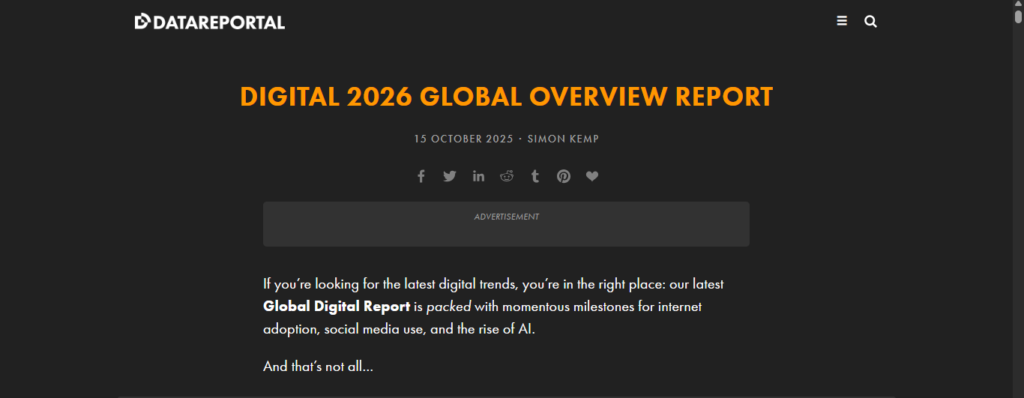
DataReportal, a digital research platform, published a global report on digital trends of 2026 last year. It claims that the average adult spends about 33½ hours a week consuming online media. It’s hardly surprising, as so much of your professional work, personal tasks, entertainment, and communication take place on your devices.
As you all know, living in this digital era has its own pros and cons. Unfortunately, those frequent notifications, endless doom scrolling, and the constant stream of short-form content have started gradually overshadowing the actual pros. Now, being on your devices brings eye strain, poor posture, disrupted sleep, and emotional stress. But, more importantly, it perpetuates your brain’s dependency on the instant – and constant – digital stimulation.
The idea of digital detox has been floating around as an effective way to break this dependency. However, does staying away from social media – or your devices – really help the brain relax? Or is it just another wellness buzzword floating around the internet?
What is a Digital Detox and How Does it Work?
A digital detox refers to a set period during which an individual takes a break from digital activities. Here, the interpretation of the word digital is rather broad – and can change from person to person. Some may feel the need to reduce their overall screen time, while others could decide to stay fully disconnected from their devices.
And yet, the key to a digital break narrows down to one thing – intent. This idea wouldn’t work if you don’t voluntarily decide to reduce your technology usage for a period you can realistically follow. So, if that means spending just a weekend without social media, not using your smartphone for certain hours, or going cold turkey for a week, it’s up to you!
But Wait… How Does Digital Overload Affect Your Brain?
Any electronic device, but especially a smartphone, is designed to keep your attention as much as possible. Whether it’s a work ping or the seemingly endless stream of short-form videos, there’s always something that pulls you back to the screens. Before you realize it, you fall into the habit of constantly consuming digital content – a habit seemingly difficult to break.
Digital overload doesn’t always look the same; in fact, it shows up and affects your brain in different ways:
Brain Rot:
This term describes the perceived cognitive decline one experiences after repeated exposure to highly stimulating, repetitive, and often shallow content. Each post, video, or story activates your brain’s reward system, with dopamine reinforcing the motivation to keep scrolling to the next one… and the next one.
Over time, this repeated cycle of stimulation and pleasure keeps pulling you back to your phone, potentially contributing to that oh-so-familiar brain fog. More recently, AI slop has also started appearing alongside such content, adding to the already low-value material that exacerbates brain rot.
Digital Multitasking:

Even if you seem to be an efficient multitasker, that doesn’t necessarily mean your brain can effectively handle multiple tasks at the same time. Whether you’re texting someone while working, checking social media and watching a movie, or constantly jumping between multiple tabs – such repeated switches have been associated with difficulties in maintaining focus for a longer time. Unsurprisingly, it may also lead to reduced productivity, sleep disruption, and difficulty retaining memory and information.
Doomscrolling:
Who hasn’t joked about doomscrolling on their phones the entire night? Practically no one! However, the term is often used synonymously with excessive scrolling, when it refers to a specific type of digital consumption.
Doomscrolling is when you continuously read or watch negative, distressing, or sad content that may overwhelm you – and yet, you are unable to stop anyway. Over time, the algorithm learns your scrolling behaviour and keeps serving similar content. Along with feeding your sense of doom, it can give your brain information fatigue and eventual burnout and a heightened state of alertness.
A digital break ensures your digital habits drop to manageable levels while giving your brain that much-needed break.
Can a Digital Detox Actually Help Your Brain?
The goal behind a digital break is rather simple: if your electronics make it hard for your brain to focus or relax, then reducing or removing that stimulation should give it the space to recover. However, that raises a question – is a digital detox really good for your brain?
Well, the answer is yes… but only to an extent, because detoxing like this doesn’t reset your brain just like that. Research into the effectiveness of a digital detox shows mixed results. Some claim to have a positive effect of detoxing, while others see no significant improvements, or even negative effects.
Just as your detox strategy is personalised to your digital habits, its effects can be equally unique – and you won’t know if you try it for yourself. Here are some of the benefits you can look forward to after a tech-free break:
Improved focus and attention:
Let’s be honest – all those notifications, emails, and social media updates do divide your attention. A digital break removes all those distractions, so you get the time to focus on one activity at a time. Gradually, you find it even easier to maintain your attention for longer periods.
Better sleep quality:

Have you caught yourself scrolling through social media or replying to messages late at night? Then you probably know how the next morning looks – waking up groggy and irritable. Such poor or limited sleep fuels your stress, affects your attention, and keeps you mentally exhausted. A digital break removes that late-night stimulation from the equation, giving your brain more time to rest and recover from everyday weariness.
Enhanced mental well-being:
Without easy access to social media, there’s automatically decreased exposure to negative news, constant comparison, and that invisible pressure to remain connected. This kind of distance helps you refocus on your life as some anxiety and emotional exhaustion fade away.
Reduced stress and digital fatigue:
Keeping up with social media updates, messages, and even gaming levels can make it feel like you never get a proper break. So, with a proper digital detox for the brain, you get some much-needed mental breathing room so that you can come back to your device without experiencing instant stress or overwhelm.
What Are the Best Ways to Do A Digital Detox?
While there’s no right formula for how to start your digital detox for the brain, there are multiple approaches you can try. You can personalize your approach by identifying which digital habit affects you the most and then choosing a strategy that addresses it directly:
Social Media Detox:
If you’ve found yourself compulsively switching across TikTok, Facebook, X, and back again, you need a proper social media detox. Either uninstall the apps that take your time the most or at least put time limits on them. For example, you can set a daily time limit on Instagram that gives you a reminder after you’ve crossed that limit.
Notification detox:
Turning off notifications, especially for promotional emails, game alerts, and other non-emergency updates, can help manage the urge to check your phone every time it pings. You can even go one step ahead and Pavlov your brain into checking only important alerts by setting personalized tones!
Screen-time detox:
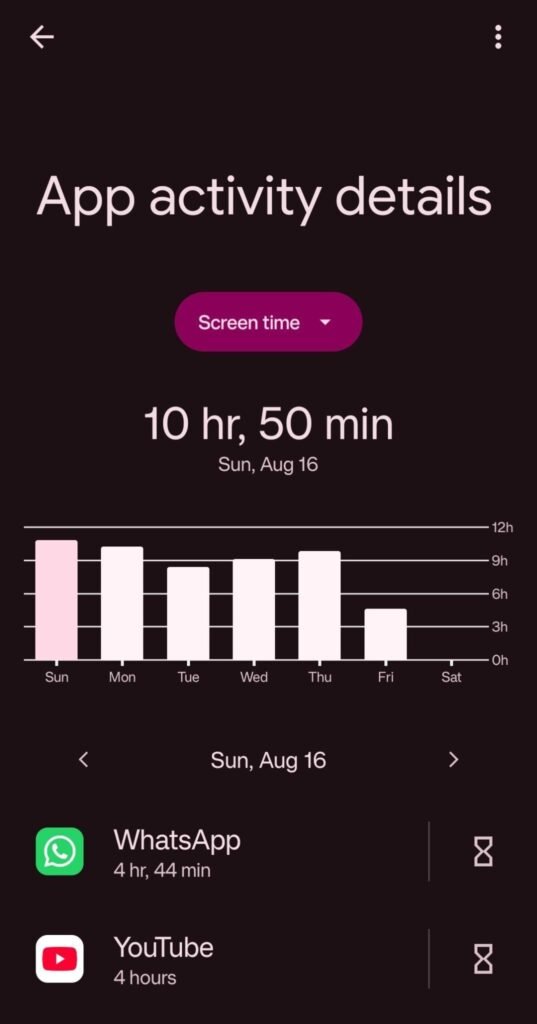
Has your screen time been crossing into double digits? Then it may be time to take some deliberate measures to keep your eyes off the screens. Decide on a time when you won’t look at your phone or laptop, and let yourself get bored without immediately giving in to the need to check your phone. The idea is to let your brain experience a stimulation-free downtime.
Time-based detox:
In this type, you consciously stay away from your electronics for a set period of time. Now, that can be mornings before work, nights, or entire weekends. Choose a time that doesn’t disrupt your work and lifestyle – this way, you disconnect without worrying about missing anything important.
Full digital detox:
With a full detox, you’re not just shutting down one aspect of your digital life. Instead, you are just using your devices to text, call, or work, while stepping away from everything non-essential. Going cold turkey may have you feeling some discomfort at first, but it’ll gradually help your brain focus.
When Is the Right Time to Start Your Digital Detox?

There is no right time to start your digital detox, as it is different from person to person. That’s because, many a time, you may not even realize that you need a digital detox, so accustomed we are to being constantly online.
The first step is actually acknowledging your digital habits have reached almost addiction levels. But luckily, there are some telltale signs that inform you that you need a digital detox:
o Do you keep checking your phone even when there are no notifications? Well, feeling bored or restless without constantly having your device in your hands means you’re dependent on it for stimulation more than you realized.
o If you’re avoiding your hobbies to scroll, text, or game, it’s time to look into digital detox for the brain. Doing so will give you the time to rediscover the joys of the activities you once enjoyed, whether it’s reading, exercising, or gardening.
o Swiping through posts and stories to see what your loved ones are up to is harmless. That is, until it becomes a source of constant comparison, leaving you feeling extremely insecure and dissatisfied with your own life.
What Tools Can Help with Your Digital Detox?
Let’s say you have decided to finally go for a digital detox for the brain. But sheer willpower is not enough here – and there’s no reason to solely rely on it anyway. Not when there are so many tools around that’ll help you reap the benefits of a digital break!
In-built app limits:
Many apps, especially social media platforms, come with an option to set usage limits. For instance, YouTube’s Take a Break reminds you to close the app after you’ve used it for a long time. Whereas Instagram offers Daily Time Reminders and Sleep Mode to restrict your app usage.
Do Not Disturb:
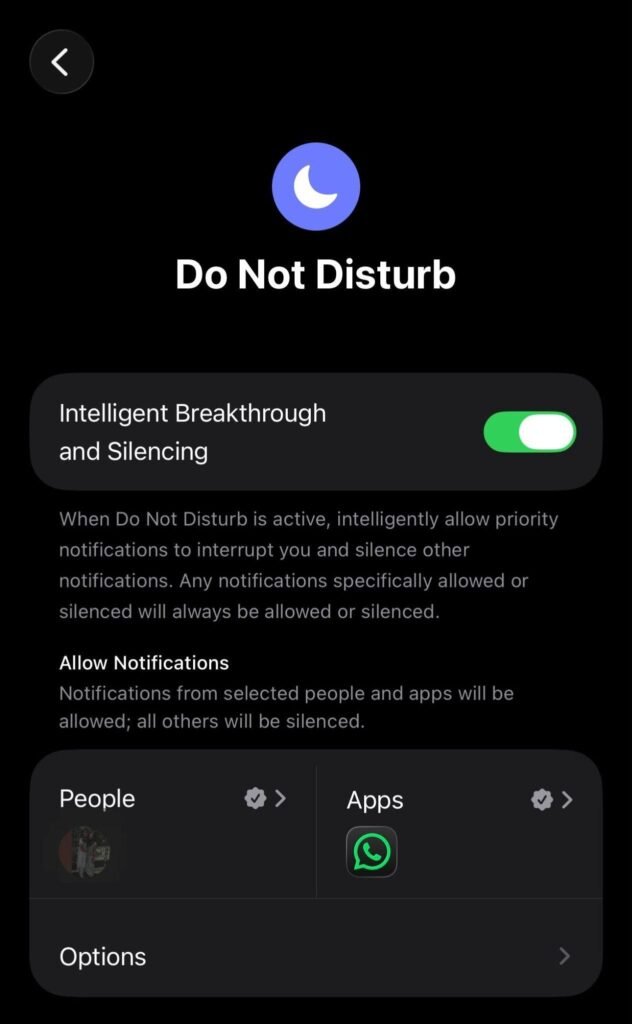
When you don’t want anything interfering with your work or leisure time, turn on that Do Not Disturb (DND) mode – or Focus, if you’re an iOS user. This silences all the notifications – or whichever you don’t want – so there are no distractions that constantly pull your attention back to your devices.
Website Blockers:
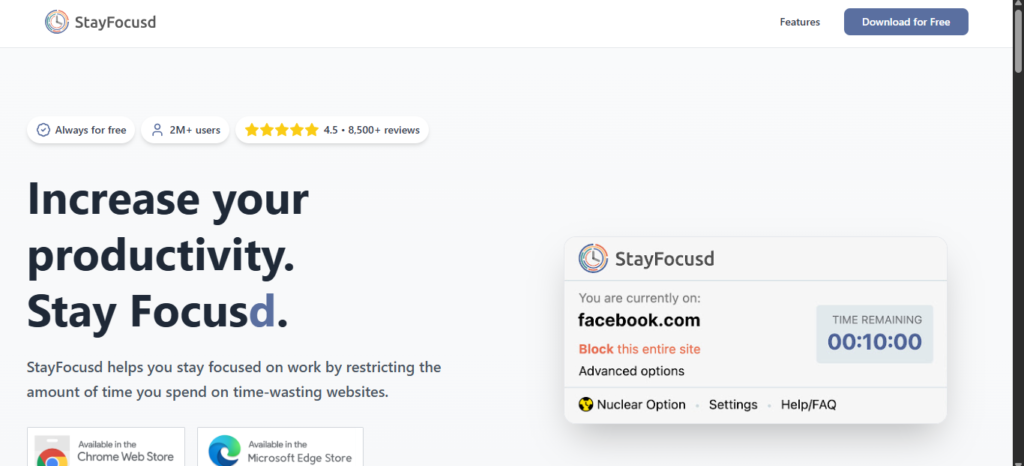
Do you find yourself opening YouTube or playing games when you’re supposed to be working? Then, website blockers might do the trick. You can check out blockers like Cold Turkey, StayFocusd, and Freedom to stop access to selected websites for as long as you need.
Final Words
Technology isn’t the enemy people make it out to be – in fact, it’s now an essential part of how we work, communicate, and even relax. So, a digital detox is recognizing that gradual digital fatigue that starts affecting your everyday life and consciously stepping away from your devices.
While it may not literally reset the brain, it does give you the space to focus, rest, and reconnect with your surroundings. And in doing so, not only does your brain get a much-needed break, but you also develop a healthier relationship with technology.



1 Comment