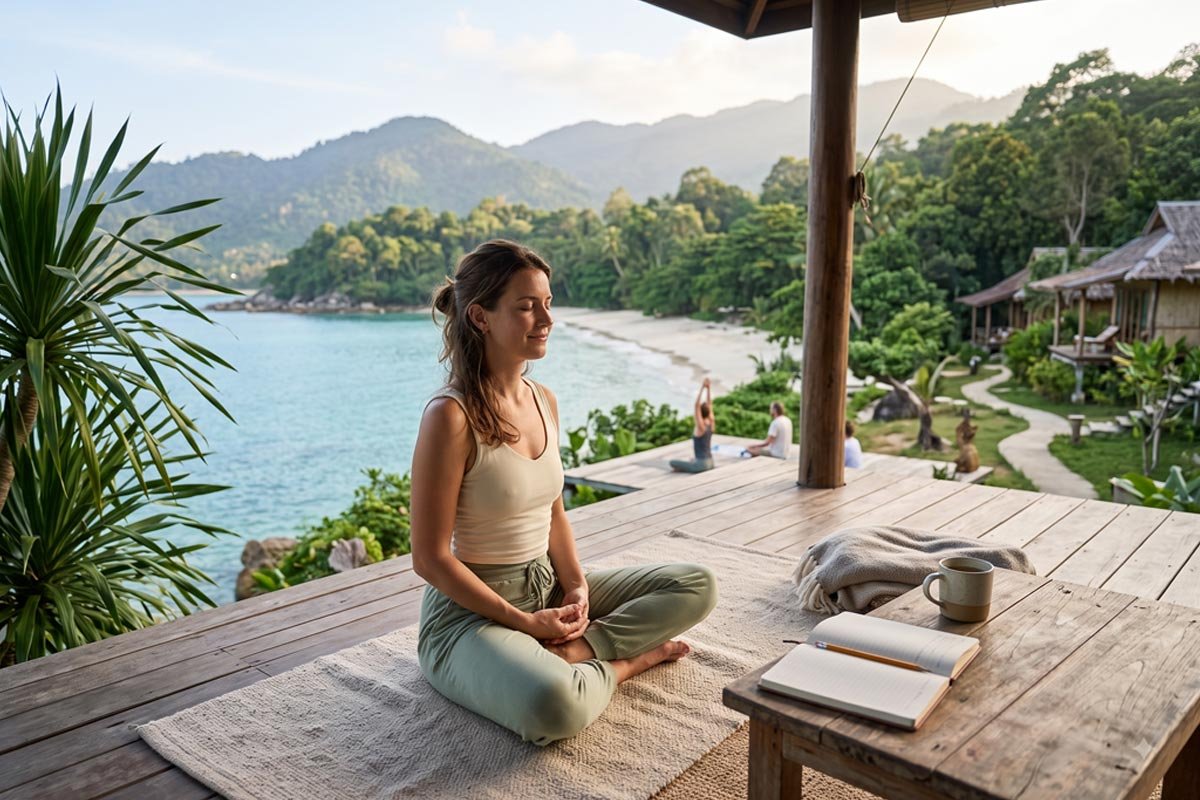
Work takes a lot out of us these days. Between the long hours, endless notifications, and the expectation to always be “on,” it’s no wonder we’re running on empty by the time our vacation finally arrives. Add in the pressure of hustle culture and the physical stiffness of being glued to a desk all week, and that exhaustion runs deep. We used to think the cure was a jam-packed holiday, rushing from one tourist spot to the next just to make sure we saw it all. But that’s changing. The AARP 2025 Travel Trends report found that 95% of adults say travel benefits their mental health. We aren’t just looking for a quick change of scenery anymore; we want a getaway that genuinely lets us unplug, heal, and hit the reset button.
The Science Behind Healing Holidays
The concept of travelling specifically to recover from burnout is no longer just a luxury trend. It is now backed by robust clinical data. The travel industry is experiencing a surge in soft travel throughout 2025 and 2026. This movement focuses on soothing the nervous system rather than exhausting it with relentless itineraries. This approach to travelling offers critical recovery experiences that separate us from our daily stressors. In fact, a systematic review published in Frontiers in Psychology confirms that participating in wellness tourism actively enhances psychological fitness, physical fitness, and overall quality of life by lowering anxiety levels and combatting severe burnout.
When we step away from our demanding schedules and place ourselves in an environment dedicated to healing, our bodies finally get the chance to lower cortisol levels and repair the damage caused by chronic stress. This shift in mindset is reflected in the Hilton 2025 Trends Report, which notes that more than one in five leisure travellers now plan their getaways specifically for self-discovery and mental health recovery.
Swapping Sightseeing for Deep Rest
So, what does restorative travel actually look like when you’re out there? Mostly, it’s about hitting the brakes. It means swapping the frantic sightseeing and FOMO for genuinely listening to what your body needs. Picture this: instead of dragging yourself out of bed at dawn to beat the crowds to a famous monument, you wake up slow, enjoy a great breakfast, and take a quiet walk outside. If you prefer to completely check out, structured wellness trips and yoga retreats are an absolute lifesaver. You don’t have to plan a thing or make a single decision, you let the experts guide you through the stress relief so you can just focus on relaxing. When you choose rest over running yourself into the ground, you actually come home feeling recharged, rather than needing a vacation to recover from your vacation.
Building a Foundation Before You Depart
A tranquil getaway sounds perfect, but genuine rest starts before you even pack. Going from a hundred miles an hour at work straight into absolute silence is a tough transition for your brain to make. To get the most out of your trip, start winding down at home. Building small mindfulness habits into your day helps you shift smoothly from work mode to vacation mode. If you’re stuck on how to start, a quick yoga session is an incredible way to clear your headspace and dial back your stress. Simply unplugging for twenty minutes a day gets your mind and body ready to actually absorb the benefits of your break, so you aren’t wasting the first three days of your trip just trying to decompress.
Key Elements of a Restorative Getaway
If you are planning a trip purely to unplug, knowing what to look for makes all the difference. The wellness travel world has completely exploded lately, meaning there are endless ways to genuinely recover. To make sure your next trip actually recharges your batteries, keep an eye out for these key elements:
- A Real Digital Detox: When you spend your days filming, editing, and managing platforms, finding a place that encourages you to put the camera and screens down is huge. It gives your brain a break from the endless scroll and screen fatigue.
- Serious Sleep Focus: Look for spots that prioritize quiet nights over loud nightlife. A lot of places now offer blackout rooms and incredibly comfortable setups designed just to help you catch up on deep sleep.
- Nourishing Food: Travel used to mean eating heavy, sluggish meals, but mindful trips are about fueling yourself right. Finding great, locally sourced vegetarian options or fresh, wholesome food gives you sustained energy and keeps you feeling light.
- Immersion in Nature: Whether you are setting up for some quiet landscape photography or just taking a walk through the trees, getting out into green spaces is proven to clear a busy head and lower your blood pressure.
The way we treat our downtime has totally shifted. With work and home life blurring together so easily these days, stepping away isn’t just a luxury anymore—it’s necessary for our health. By choosing to engage in mindful travel, we finally give ourselves the space to just breathe, hit the brakes, and rebuild our energy for the road ahead.