When an automaker shares a platform with a sibling, the challenge is to make their version stand out. With the introduction of the 2026 Nissan Tekton, essentially the mechanical twin to the upcoming Renault Duster, Nissan hasn’t just slapped a new badge on an existing car. They’ve given it an entirely different identity.
Affectionately dubbed the “Baby Patrol” for its striking resemblance to the flagship global Nissan Patrol (and Armada), the Tekton aims to capture the premium mid-size SUV segment. We took the 1.3L Turbo variant for a spin to see if it brings enough character to pull buyers into Nissan showrooms.
Here is our detailed review of the 2026 Nissan Tekton.
Exterior Design: The “Architect” of the Road
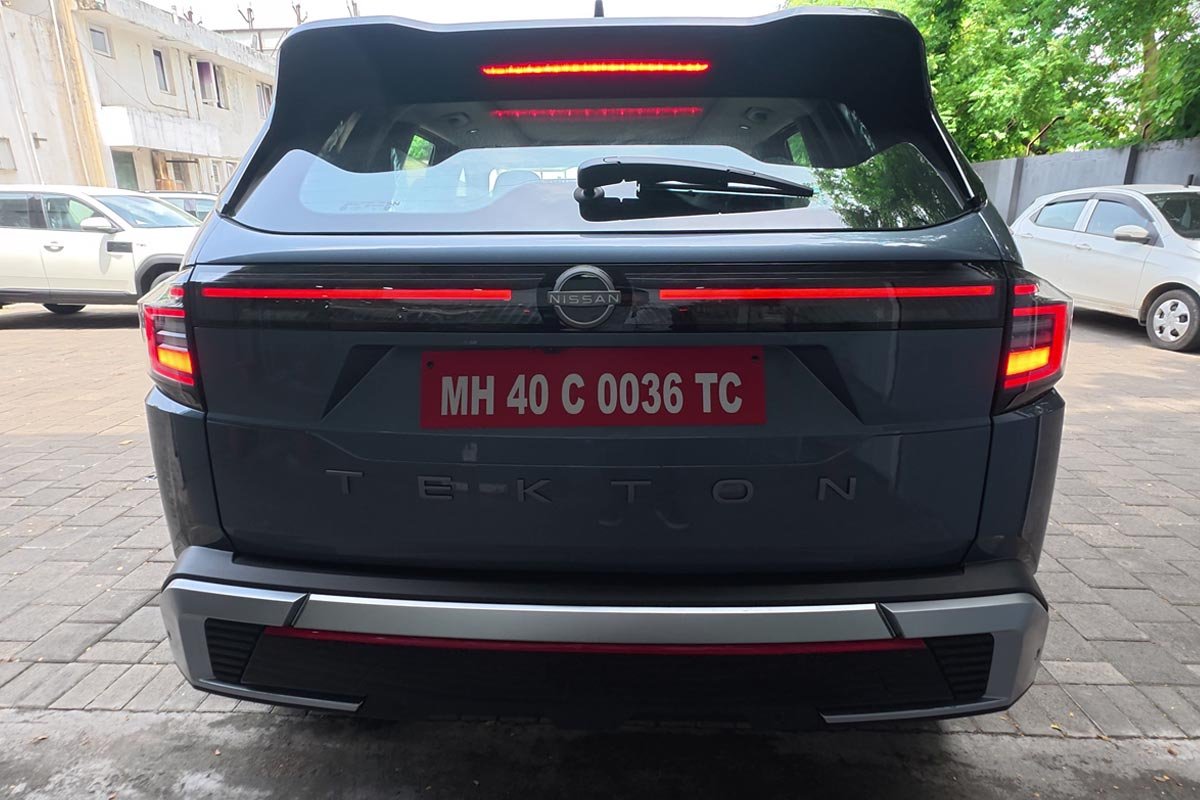
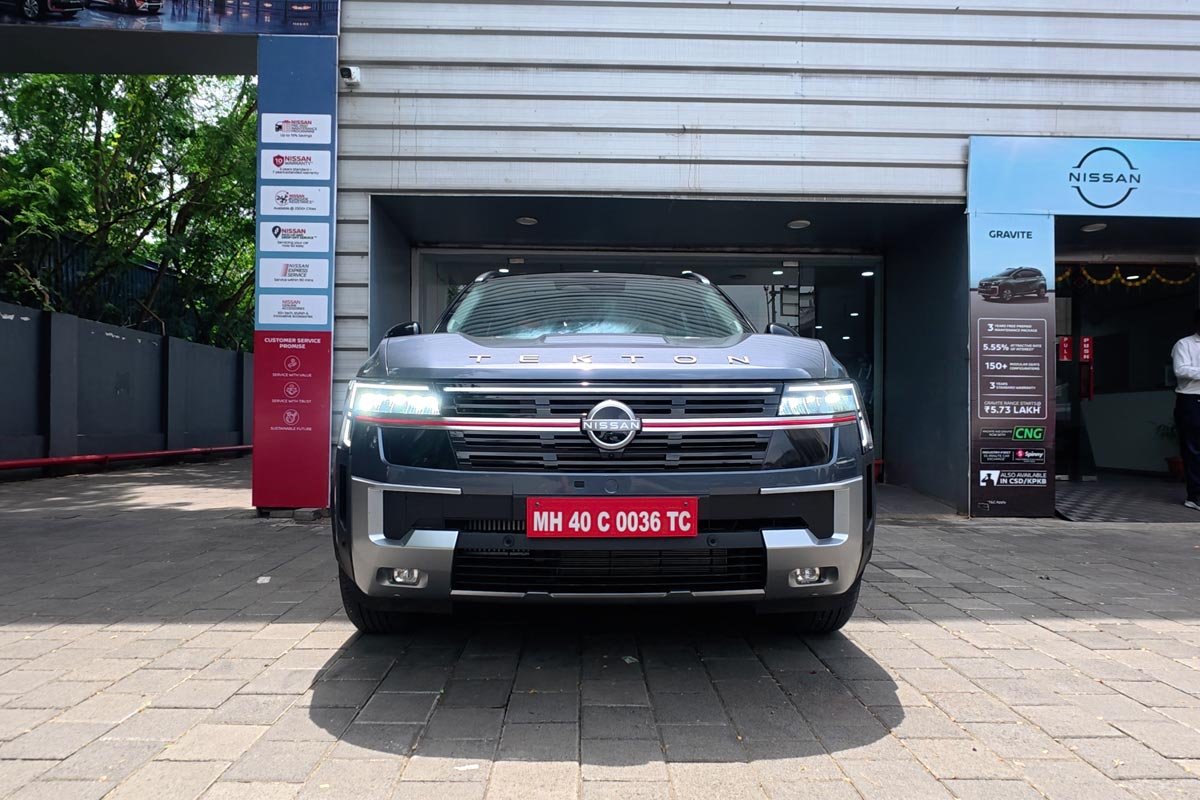
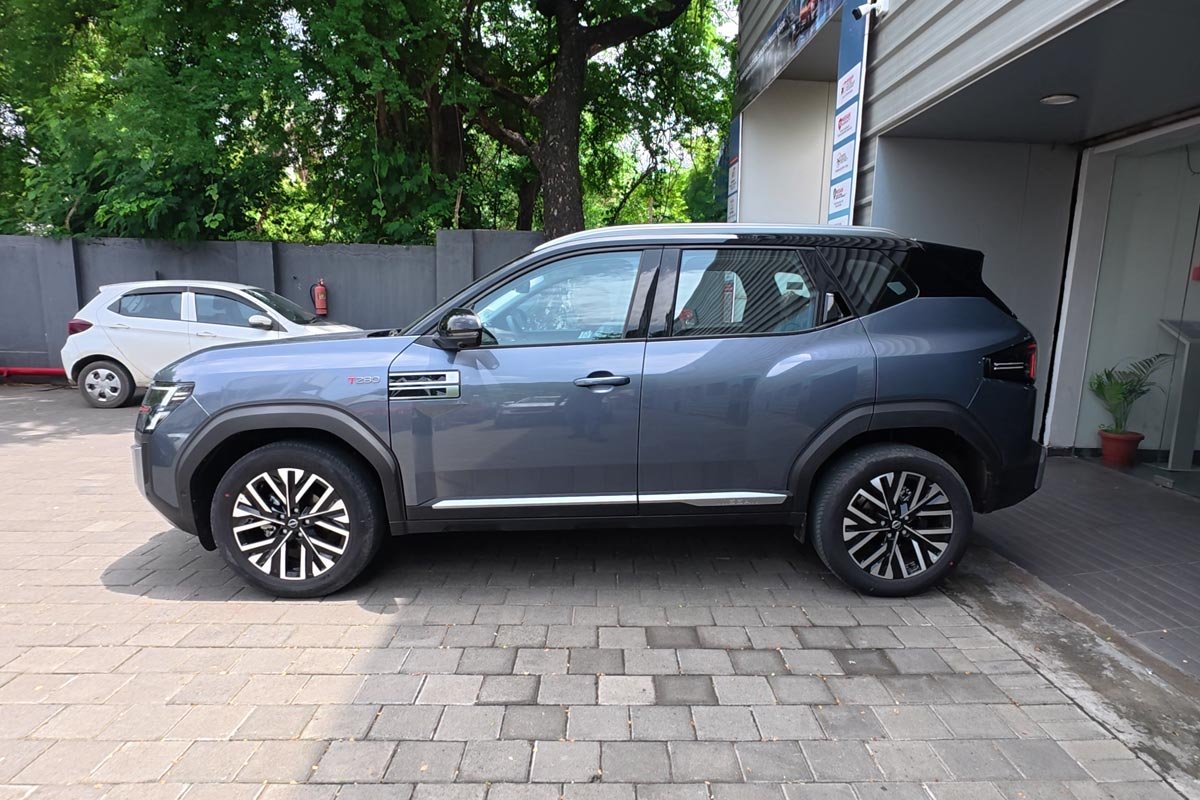
The word Tekton translates to “Architect” in Greek, and Nissan has taken this literally by embedding structural, parallel “bridge lines” all across the vehicle’s design.
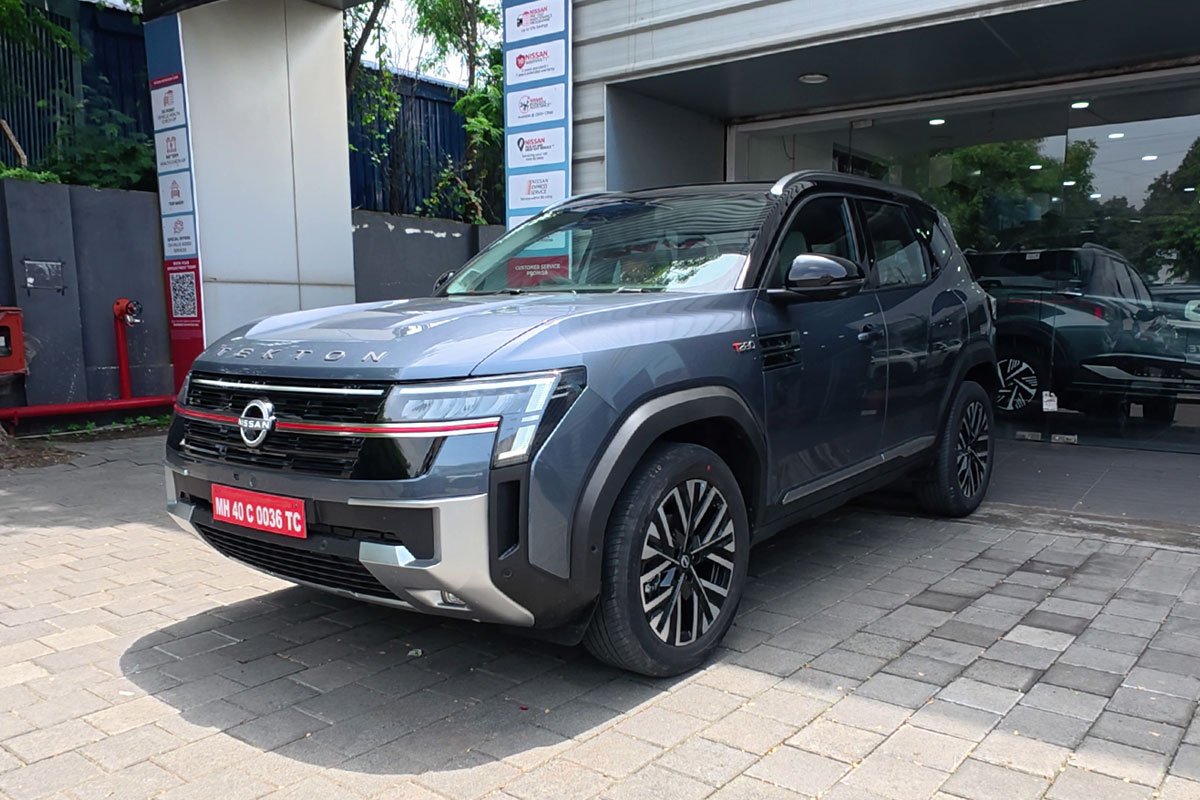
The biggest differentiator from the Duster lies at the front. The Tekton boasts a bold, aggressive face with massive C-shaped LED DRLs and a pronounced grille that screams “Nissan Patrol.” It offers a significantly chunkier, more commanding road presence.
Moving to the side, it rides on large 18-inch alloy wheels (225/55 R18) and features Himalayan mountain range graphics that hint at its touring capabilities. You get a massive 212mm of ground clearance and a wheelbase of 2657mm.
At the rear, the Tekton sports C-shaped connected LED taillamps that neatly tie up the aesthetic. One neat trick: Pressing and holding the unlock button on the key fob rolls down all the windows and opens the panoramic sunroof, a lifesaver for venting hot air on sweltering Indian summer days.
Interior & Tech: Premium and Airy
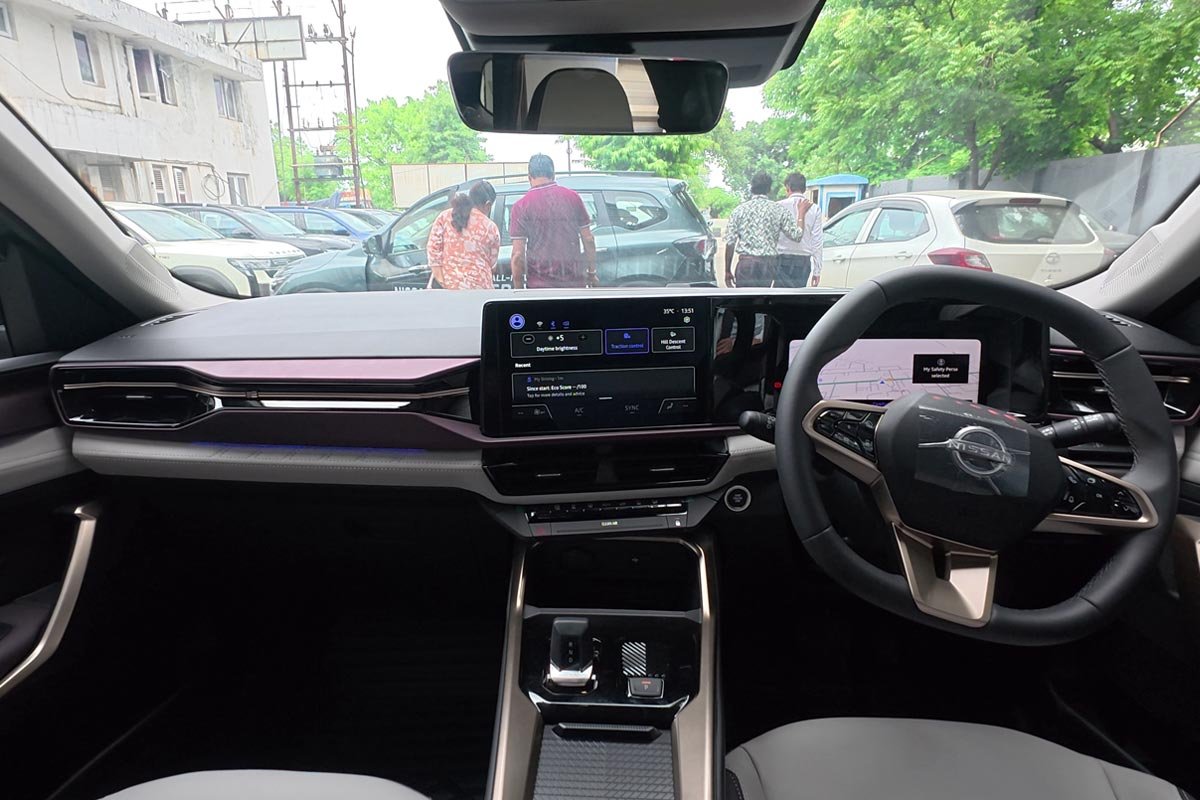
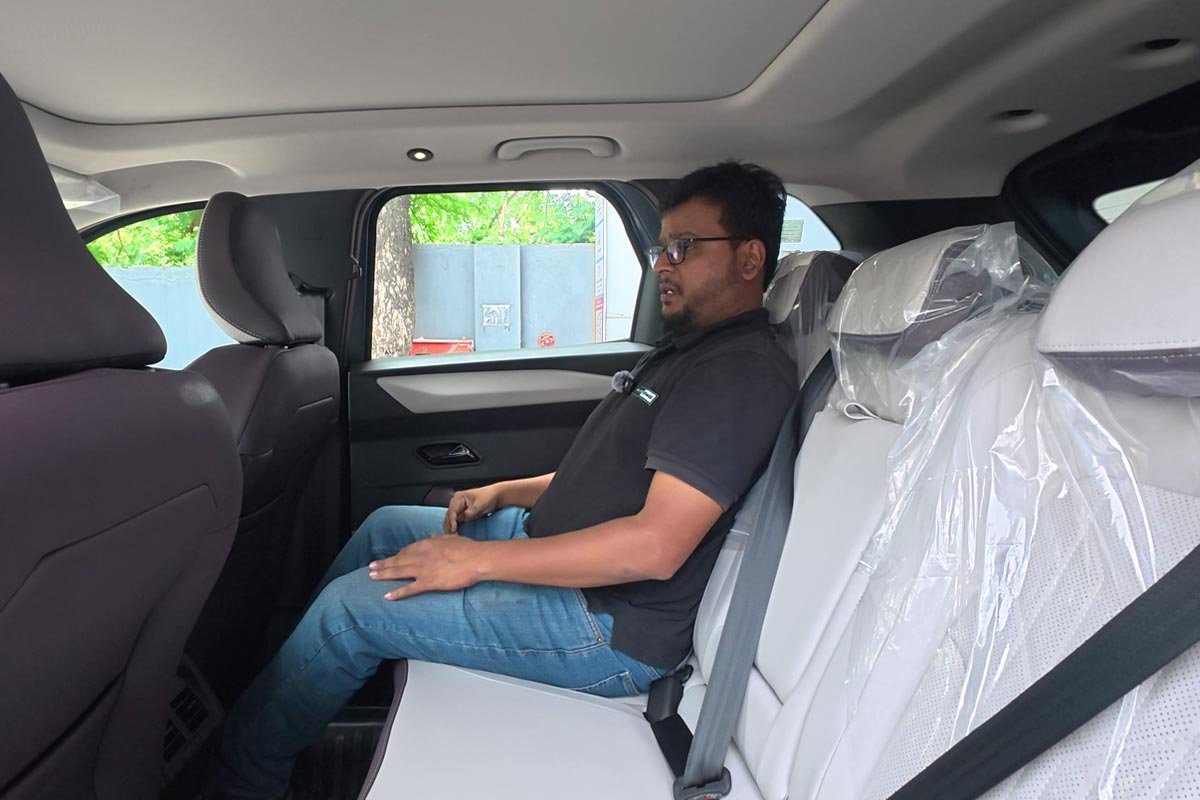
Step inside the 1.3L DCT variant, and you are greeted by a surprisingly luxurious “tri-color” dashboard. Nissan uses a beautiful blend of burgundy, beige (cream), and gold accents with parallel line motifs running across the cabin.
Compared to the darker, sportier interiors of its Renault counterpart, the Tekton feels incredibly airy, plush, and distinctly family-oriented. (Note: The 1.3L manual variant gets a darker black and navy blue cabin).
Key Cabin Features:
- Displays: A crisp 10.25-inch touchscreen infotainment system with wireless Android Auto, Apple CarPlay, and a very readable, conventional-looking digital instrument cluster.
- Physical Controls: Nissan has thankfully retained physical buttons and dials for the dual-zone automatic climate control!
- Seating Comfort: Both the driver and front passenger get electrically adjustable seats with lumbar support. The front seats are also ventilated.
- Convenience: An electronic tailgate, wireless phone charging, plenty of Type-C ports, and a massive panoramic sunroof.
Rear Seat Experience: The back seat offers great legroom and headroom. The bench is superbly contoured for two adults, though squeezing a third large adult might be a bit tight due to the cabin’s width. Rear passengers get AC vents and dual Type-C ports, though it misses out on rear sunshades and a “Boss Mode” switch for the front passenger seat.
Engine & Performance: A Proper Powerhouse
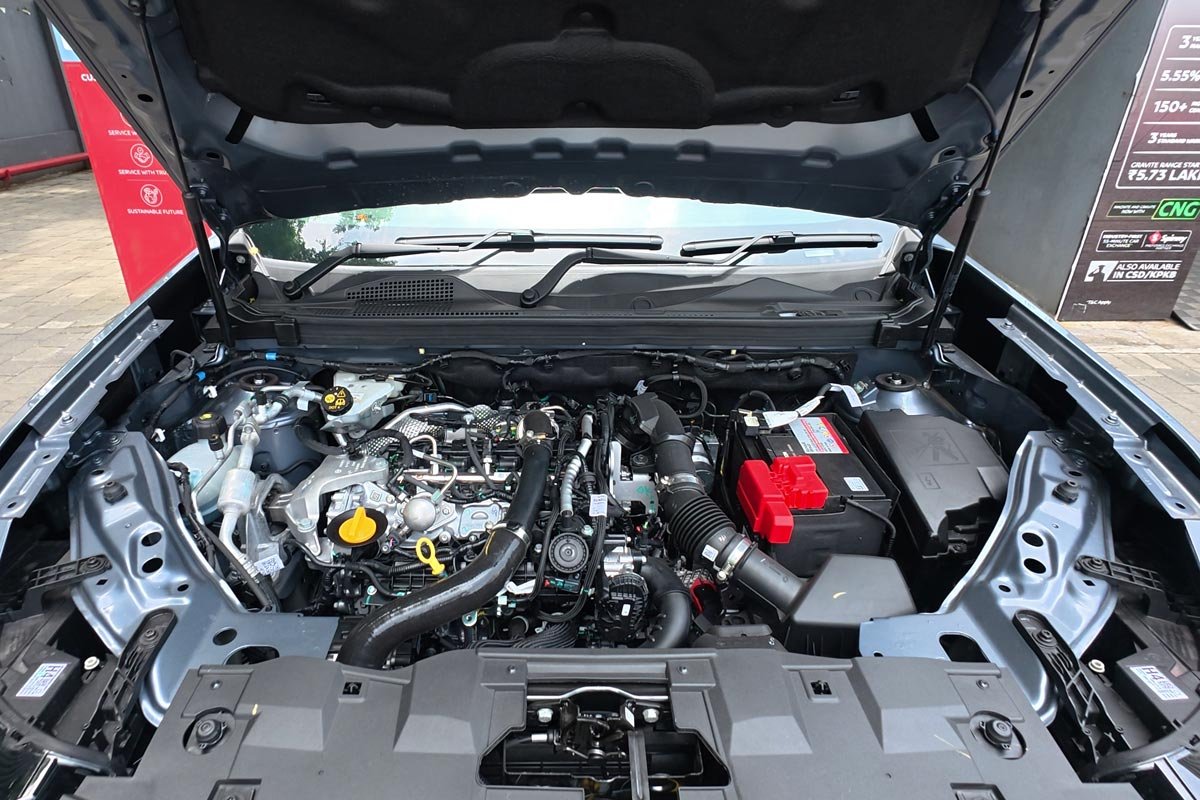
The Tekton offers two engine choices: a 1.0L Turbo petrol (99 HP / 160 Nm) available only with a manual transmission, and the heavy-hitter we tested, the 1.3L TGDI Turbo Petrol.
Producing 163 HP and a massive 280 Nm of torque (badged T280 on the side), this engine is available with either a 6-speed Manual or a 6-speed wet-clutch DCT.
Driving the 1.3L: The engine is incredibly punchy. Past 1,500 RPM, the turbo kicks in with a satisfying surge of power, accompanied by a sweet turbo whine. Building speed on the highway or executing quick overtakes requires zero effort. The 6-speed Wet Clutch DCT is highly recommended for city dwellers. Unlike dry-clutch setups that can overheat in bumper-to-bumper traffic, this wet-clutch system is smoother, more reliable, and shifts seamlessly.
Fuel Efficiency: Expect around 10–12 kmpl in city traffic with the 1.3L engine, depending heavily on your driving style, with slightly better figures on the highway.
Ride, Handling, and Safety (ADAS)
If there is one thing this chassis is known for, it’s dominating bad roads. While there is a slight hint of underlying European firmness at low speeds, the Tekton absolutely glides over broken patches, rumble strips, and potholes once you pick up the pace. You rarely have to brake for bad roads.
The high-speed stability is rock solid, and body roll is tightly controlled around corners. The cabin is also incredibly well-insulated, keeping wind, tire, and traffic noises strictly outside.
On the safety front, you get 4 disc brakes, a 360-degree camera (though resolution could be slightly better), and Level 2 ADAS. The DCT variant exclusively gets Adaptive Cruise Control, alongside active braking, lane-keep assist, and blind-spot monitoring. A clever “Persona” button on the dash lets you customize and toggle your preferred ADAS settings with a single click.
Tekton vs. Duster: Why Buy the Nissan?
If you are confused between the Nissan Tekton and the Renault Duster, here is why the Tekton makes a compelling case for itself:
- The “Patrol” Look: The front fascia is arguably more mature and imposing.
- Brighter Interiors: The burgundy/beige cabin in the upper variants feels much more premium and welcoming than an all-black interior.
- A Real Spare Wheel: Unlike the Duster, which only provides a puncture repair kit, Nissan equips the Tekton with a physical 17-inch spare wheel tucked under the boot floor.
- Extended Warranty: Nissan offers a massive 10-year / 2,00,000 km extended warranty package, bringing ultimate peace of mind.
Final Verdict
The 2026 Nissan Tekton is far more than just a badge-engineered twin. It brings a distinct, luxurious flavor to a highly capable, rugged platform. At the ₹15-20 Lakh price point, it delivers phenomenal power, a magic-carpet ride over bad roads, and family-friendly plushness.
If you are in the market for a mid-size SUV that stands out from the crowd of Cretas, Seltoses, and Grand Vitaras, the “Baby Patrol” absolutely deserves a spot on your test-drive list.