
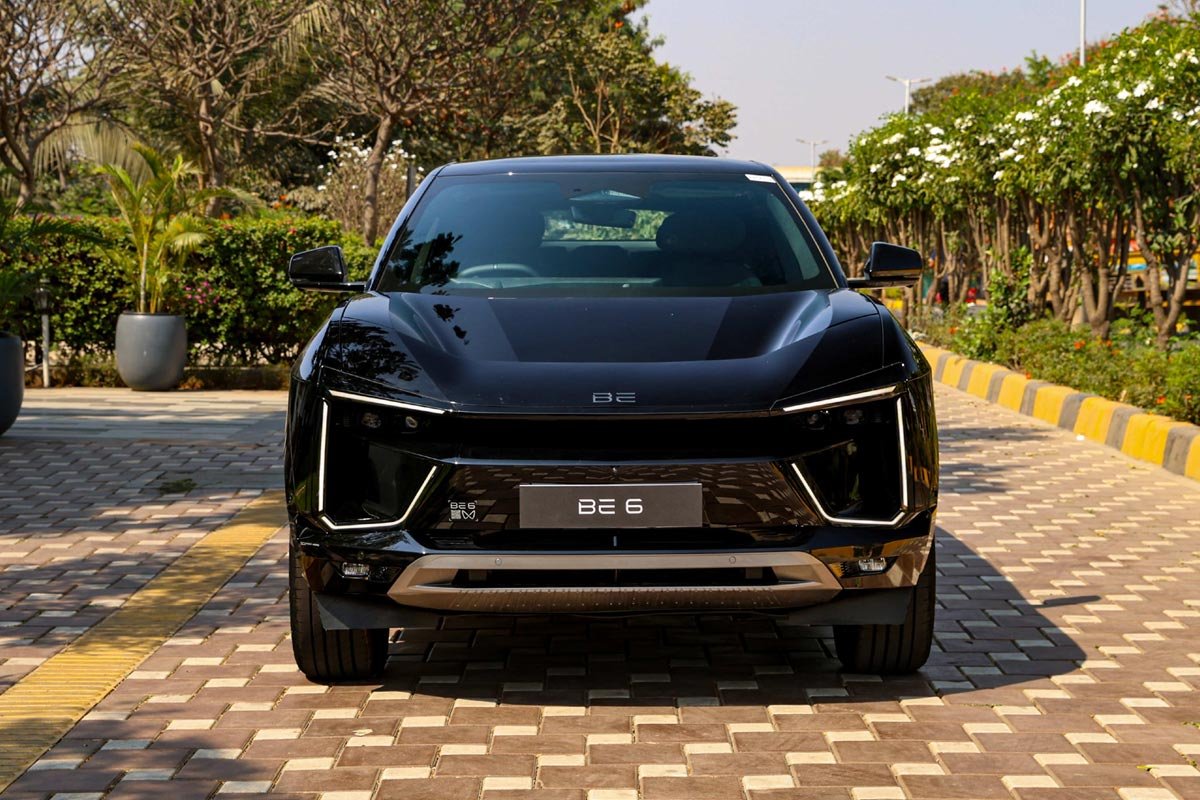
When the BE 6 burst onto the scene, it didn’t whisper, it announced itself. Sharp creases, dramatic lighting signatures, a fastback-ish rear and a sculpted profile made Mahindra’s electric BE 6 look more concept-car-than-volume model. After one year, the question for fans and sceptics is simple: did the radical styling of Mahindra BE 6 fade into the background, and has the car proved itself where it matters, range, usability and sales?
Design: still bold, still polarising
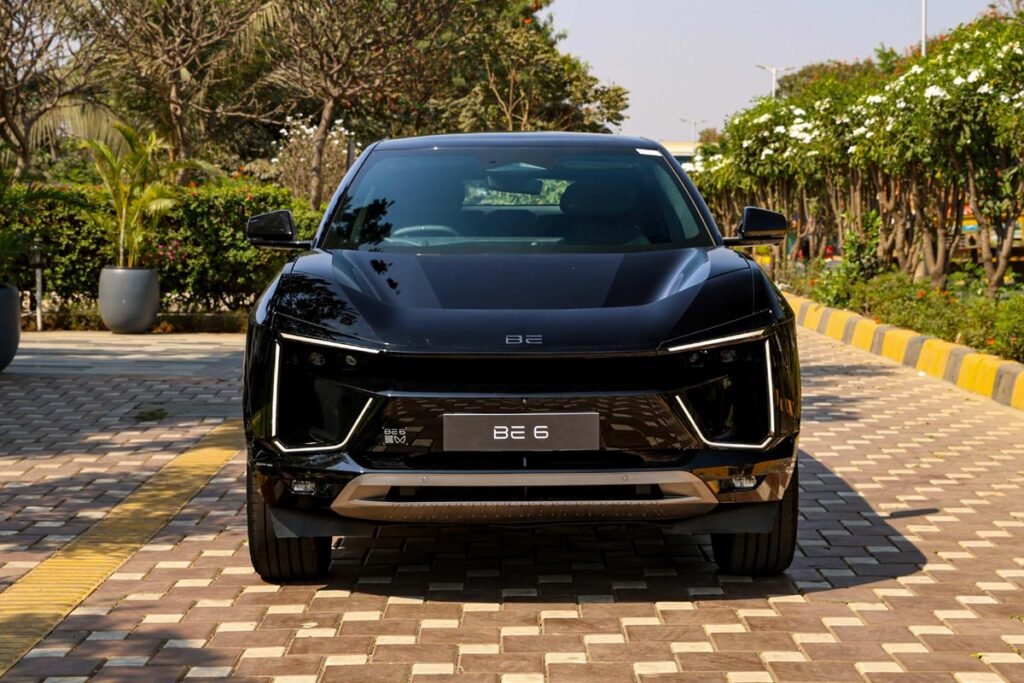
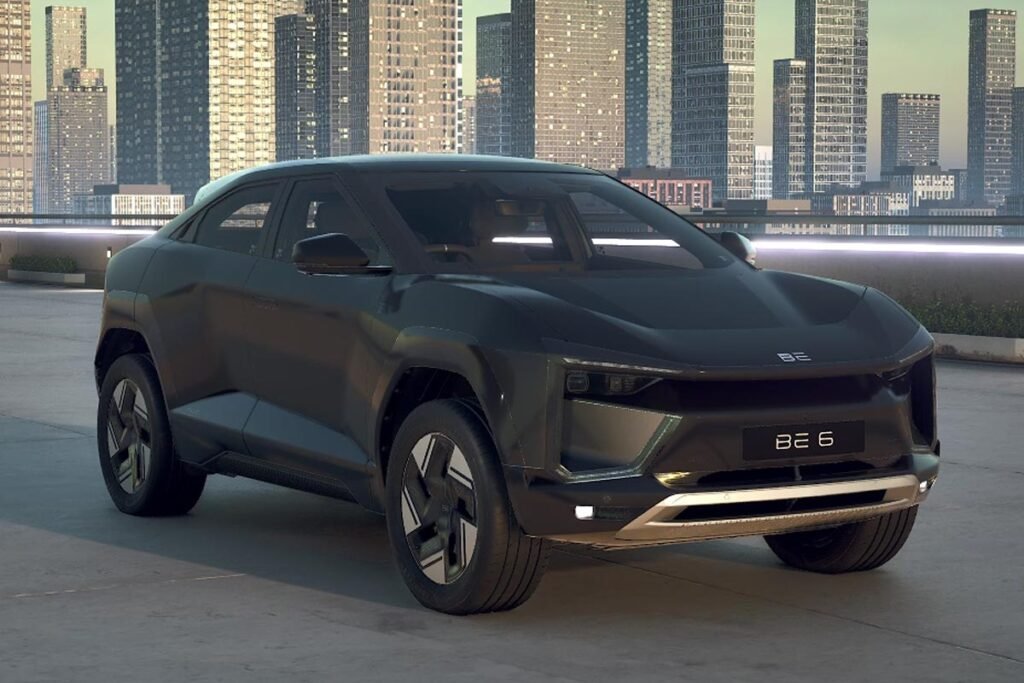
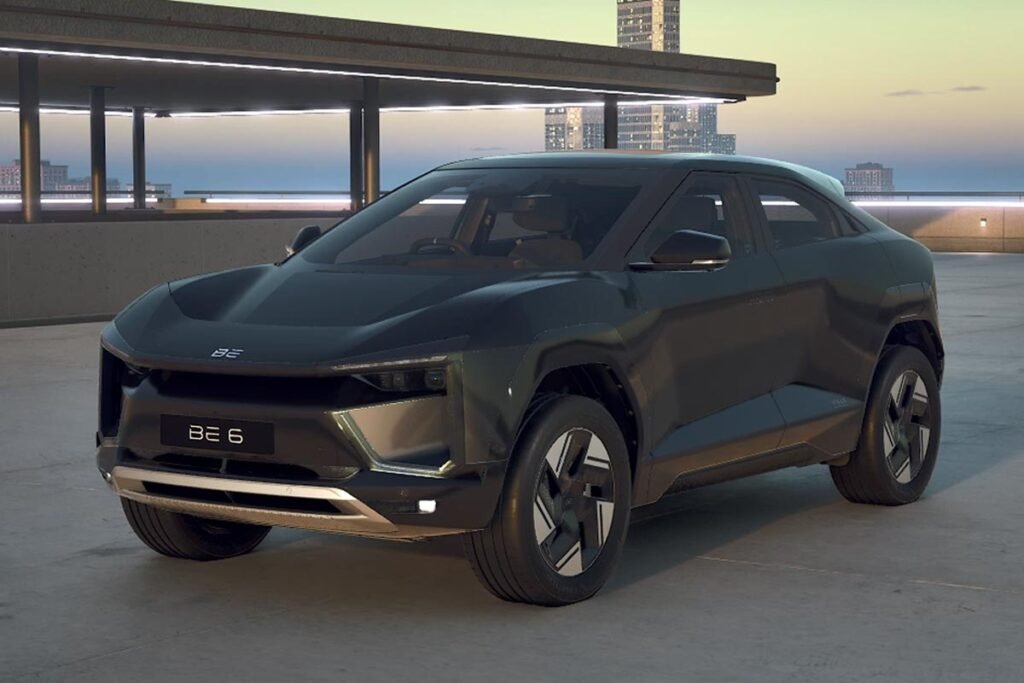
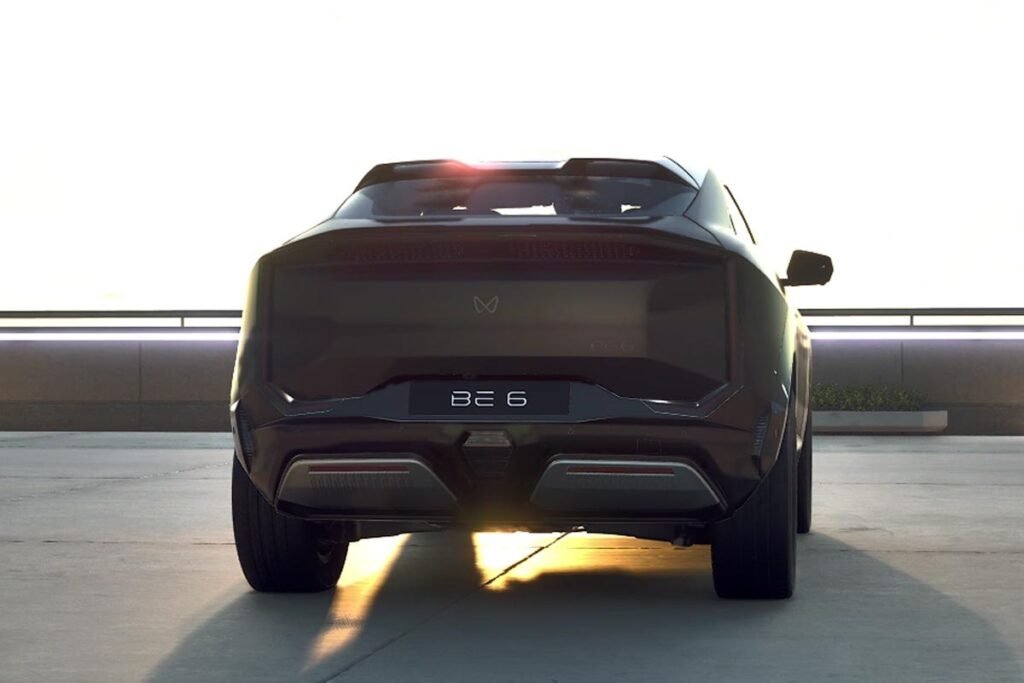
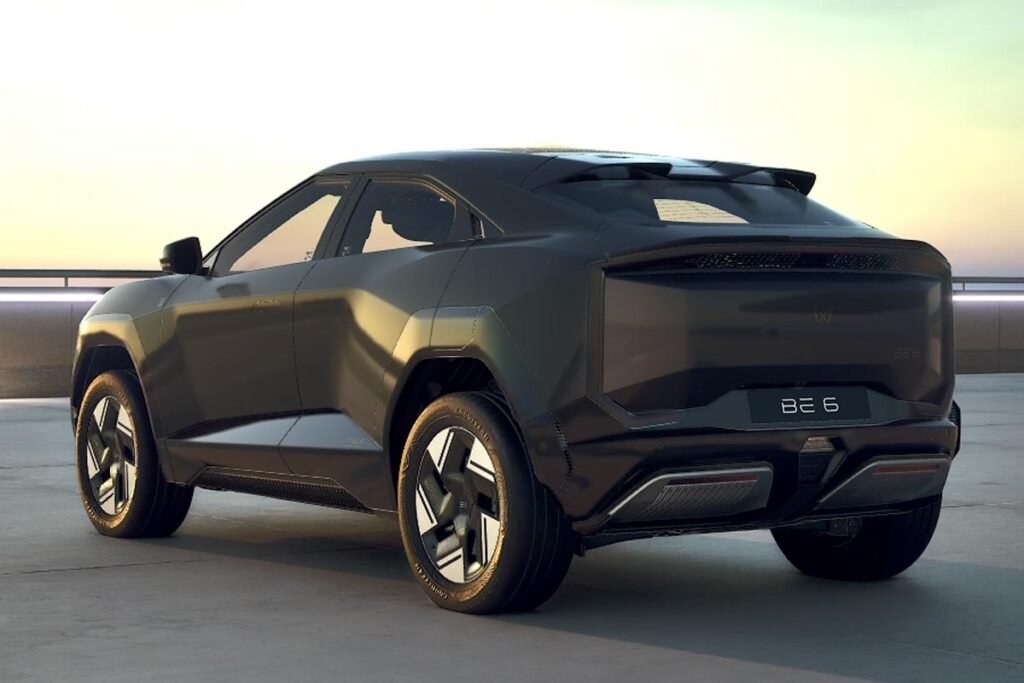
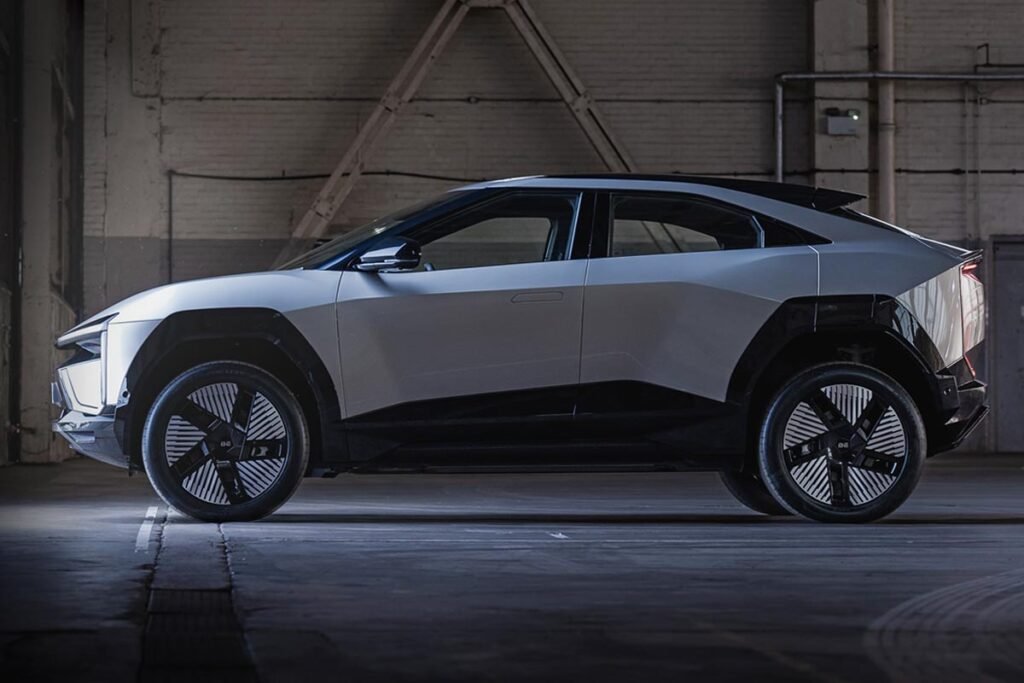
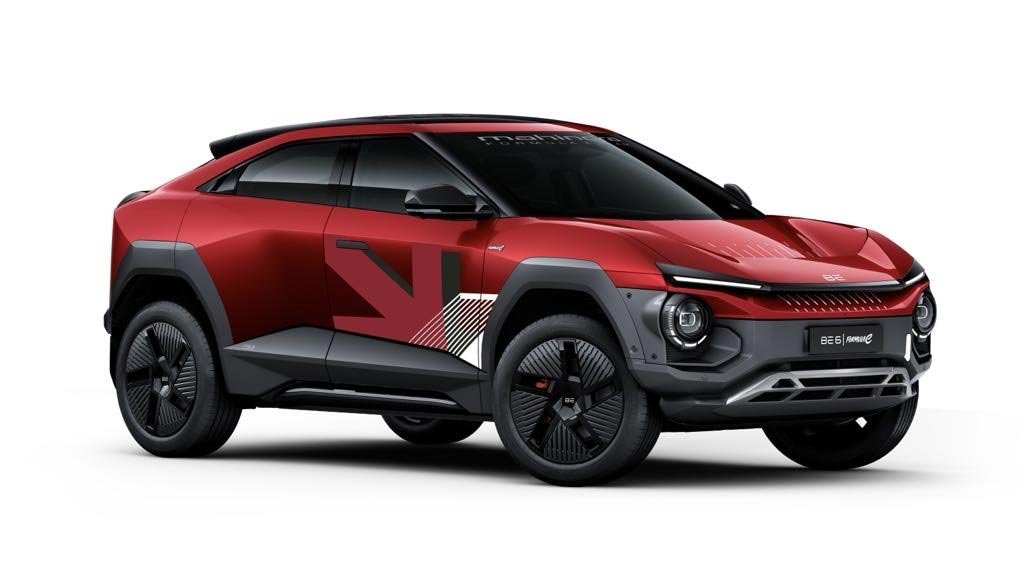
The BE 6’s styling was never meant to be “safe.” Large, polygonal wheel arches, inverted C-shaped daytime lights, and a full-width rear light bar hand the BE 6 a distinctive silhouette that’s difficult to miss in traffic. That boldness continues to be its biggest talking point, more reviewer soundbite than supermarket small talk, and it’s exactly what got new customers in the door. The Formula E special edition, later in the launch cycle, only reinforced that positioning, with race-inspired graphics and a stronger visual personality.
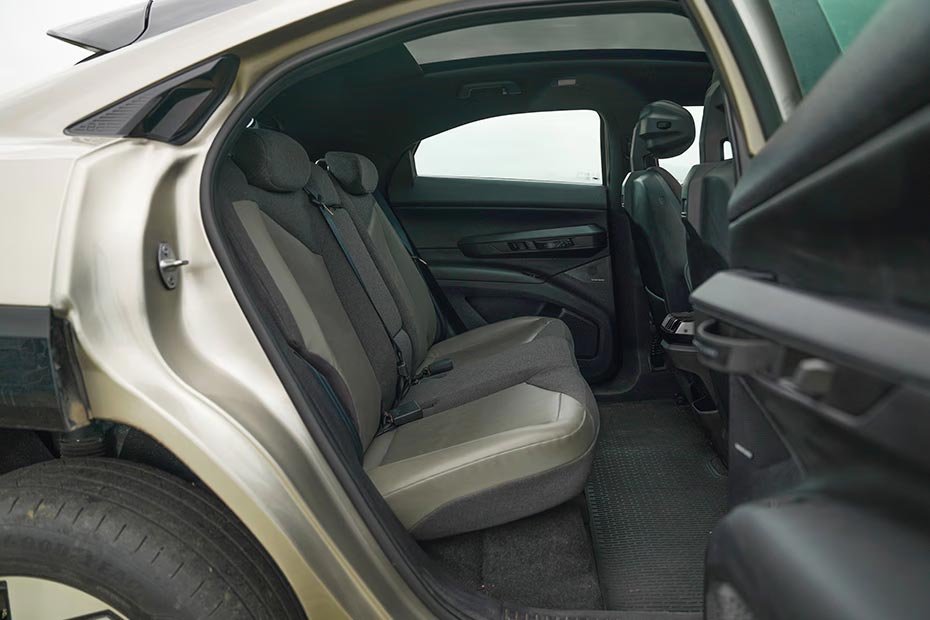
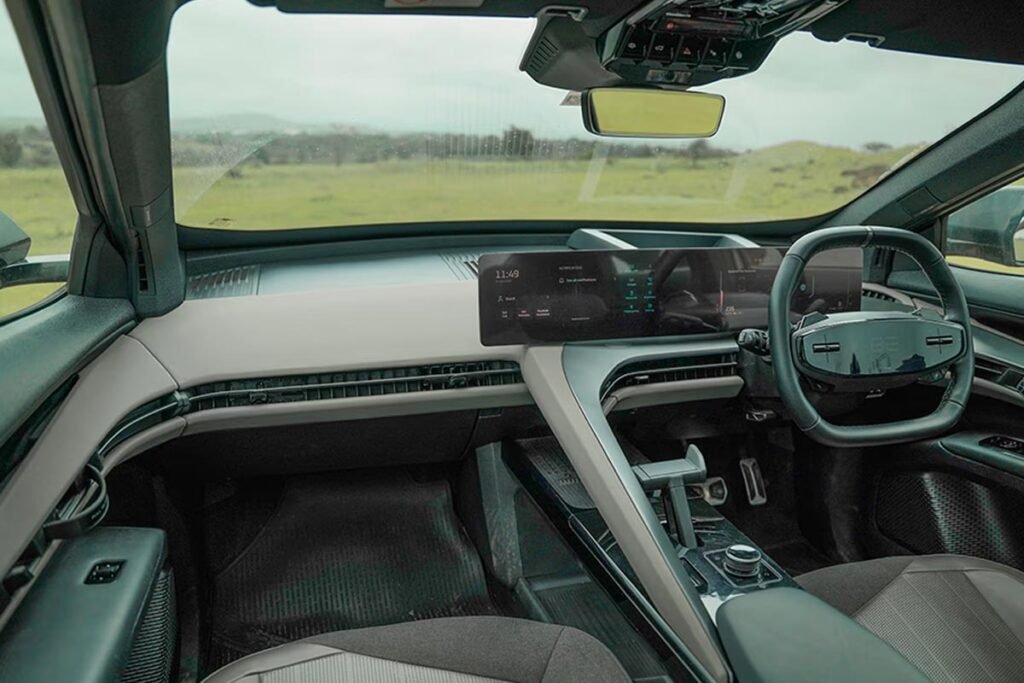
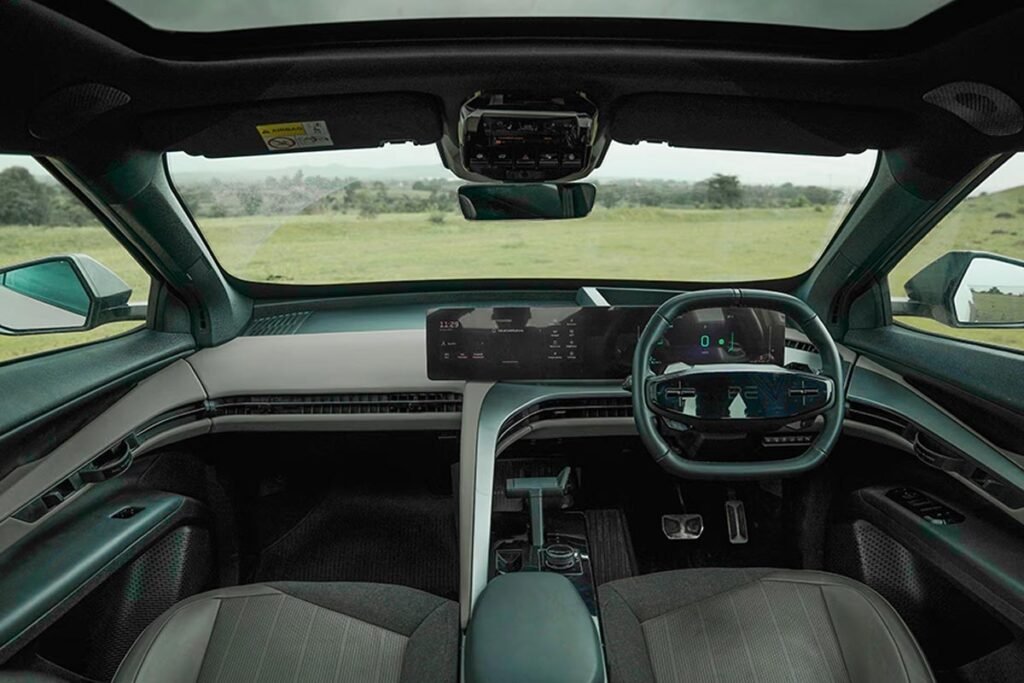
Bold designs can age quickly if they don’t deliver on fundamentals. Fortunately, Mahindra paired the BE 6’s visuals with thoughtful packaging: a low, wide stance for perceived stability, a high-tech interior layout dominated by wide screens and AR HUD options on higher trims, and usable cargo and cabin space that makes the BE 6 practical beyond Instagram shots. The result is styling that still feels intentional rather than gimmicky.
Performance and real-world usability
Under the sheet metal, the BE 6 offers a choice of battery packs (notably 59 kWh and 79 kWh options) and power outputs of 228 – 282 Hp & 380 NM that push it into the competitive mid-range EV territory: long real-world ranges from 400-500 Km, surprisingly brisk acceleration in the higher-spec models, and DC charging capabilities that are competitive for the segment. Official range figures put the BE 6 well into the 500+ km bracket, depending on pack and driving conditions, numbers that matter to Indian buyers who still worry about range and charging.
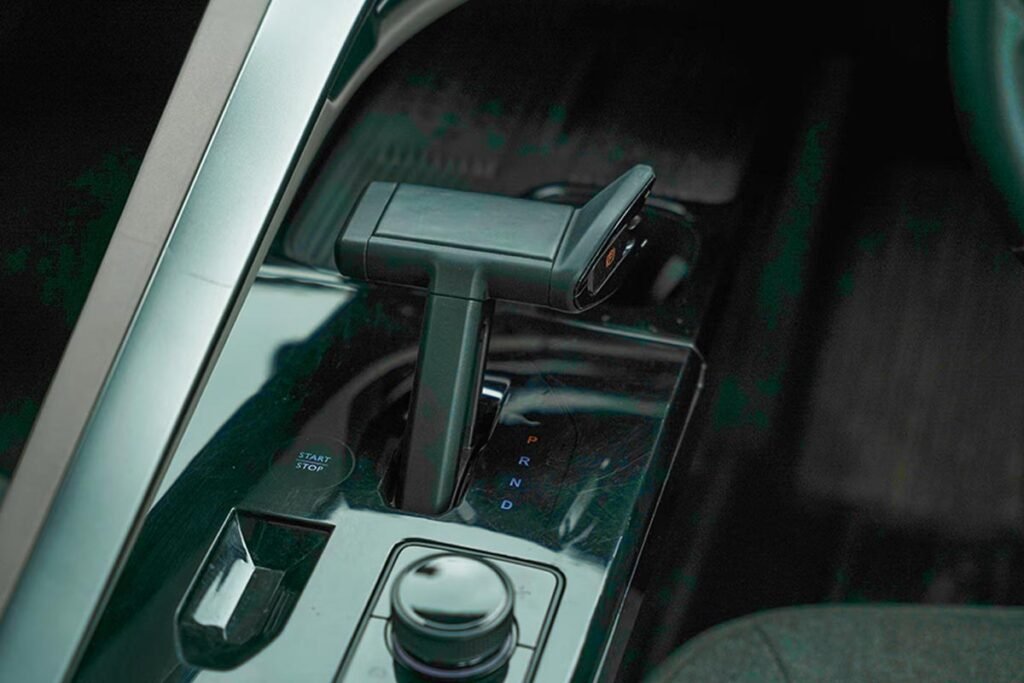
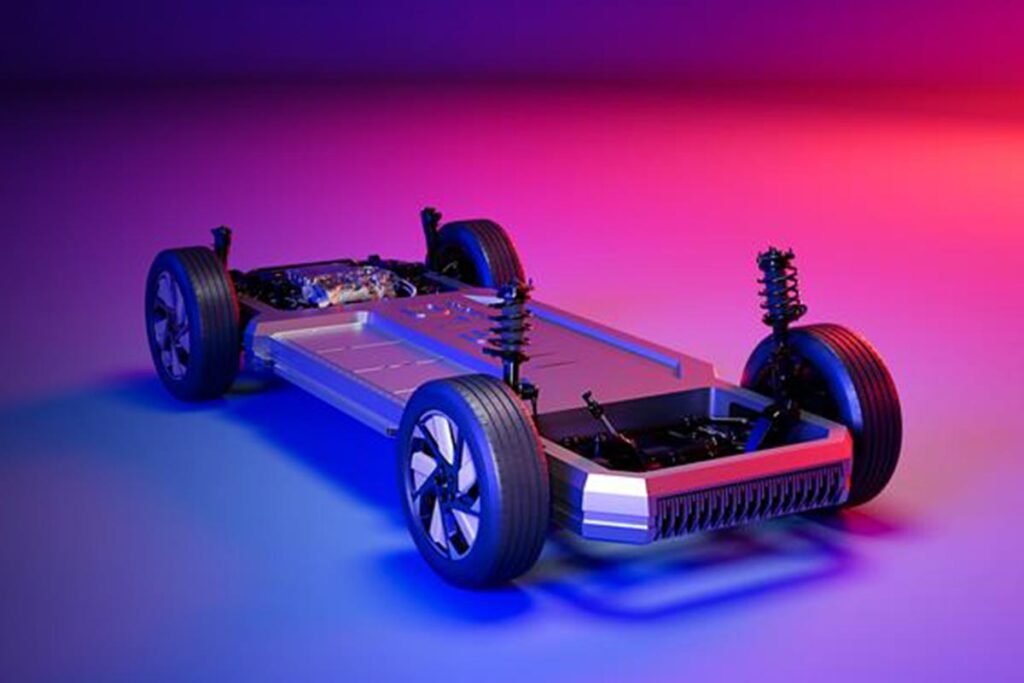
On the road, owners and journalists have praised the BE 6 for its composed ride and confident highway manners. Mahindra’s INGLO platform and the EV-specific packaging translate to a low centre of gravity and decent torque delivery, which makes daily driving and overtakes feel natural. Interior tech, a long combined instrument/infotainment screen, multiple ADAS layers and options like AR HUD on top trims, help the BE 6 feel contemporary and future-facing.
Pricing, trims and buyer mix
Mahindra launched the BE 6 at aggressive price points of Rs. 18.90 – 27.65 Lakh, with the entry-level Pack One (59 kWh) starting at Rs 18.90 lakh, which aimed to undercut traditional rivals while the top 79 kWh trims stretched into premium territory. Competitive introductory pricing and a defined variant ladder, including the eye-catching Formula E edition, helped Mahindra target both mainstream buyers and design-first early adopters.
One interesting commercial outcome: a high proportion of BE 6 buyers were reportedly new to the Mahindra brand, indicating the car reached beyond the company’s established customer base into younger, design and tech-focused buyers. That’s a meaningful strategic win, it’s one thing to sell an EV to an existing SUV owner, and another to convert buyers who might otherwise consider premium or imported options.
Sales: steady momentum, not meteoric, but meaningful
How has the BE 6 performed in the market? The raw picture is of a strong, steady start rather than a headline-grabbing blitz. Mahindra reported that its new electric-origin SUVs (including the BE 6 and larger XEV family) crossed the 30,000 mark in a matter of months, a clear signal of demand and market acceptance. Specific monthly sales trackers show several months with sales in the low thousands (typical for a new premium-ish EV in India), with peaks tied to production ramps and festival-season demand.
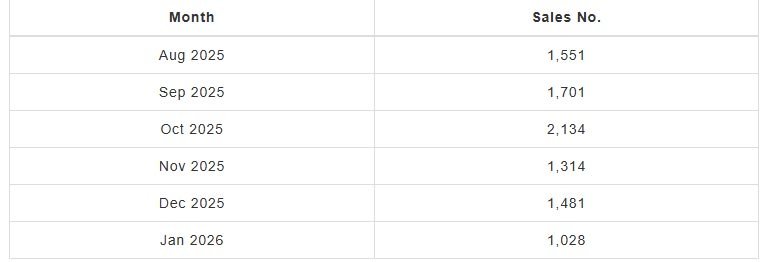
It’s worth noting that EV adoption in India is still accelerating overall, and the BE 6 arrived at a moment when charging networks were improving, and buyer confidence in mainstream EV makers was rising. That macro tailwind helped Mahindra convert interest into orders; at the same time, supply-side limitations and the natural lead times for a freshly ramping product meant the model didn’t explode in volumes overnight. The pattern so far is sustainable growth rather than short-term hype.
Has the boldness faded?
Short answer: not really. If anything, the BE 6’s daring styling has become a part of its value proposition rather than a one-off stunt. For many buyers, the look is the reason to pick the BE 6 over a more conservative rival, and because the car backs up the looks with competitive range, usable interiors and modern tech, the styling continues to make sense. The Formula E variant and Mahindra’s marketing around “electric-origin” SUVs have kept the BE 6 in the headlines without relying solely on novelty.
What next?
Mahindra is clearly doubling down on the EV path: broader investments, new variants, and the launch of all-new XEV 9s and more larger and smaller electric siblings suggest the BE 6 is part of a long-term plan, not a one-off experiment. If Mahindra can keep improving charging access, tighten production cadence, and keep prices competitive, the BE 6’s combination of radical design and real-world competence can remain a strong offering in India’s fast-maturing EV market.
Verdict
A year in, the BE 6 looks less like a bold concept and more like a well-thought-out product that married striking design with practical EV fundamentals. It didn’t need to soften its edges to sell, it needed to prove the basics. Judging by the sales momentum, buyer mix and the company’s broader EV push, the BE 6 has done that. The styling hasn’t faded, it’s earned its place as a genuine selling point backed by substance.


