
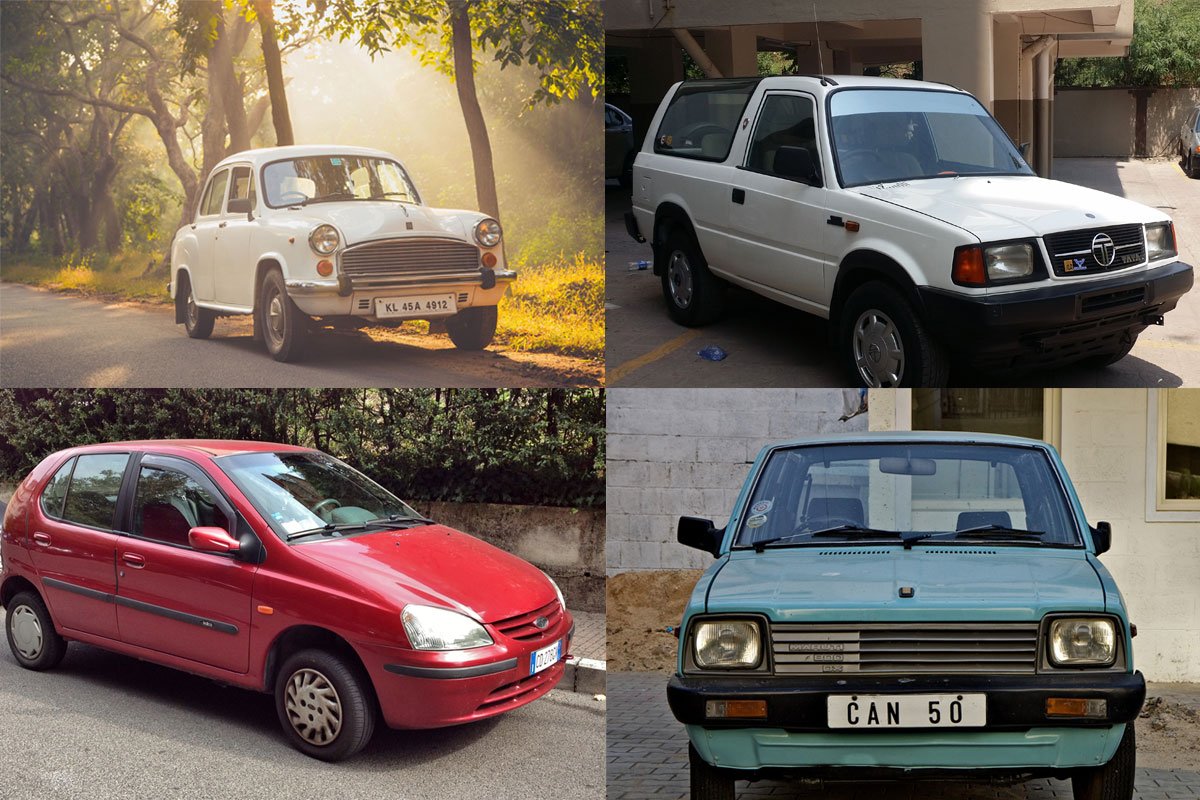
The Evolution of Indian-made cars is one of slow beginnings, bold leaps, policy transformations, rising competition, rapid modernization, and a future heading toward electrification. From the first car that rolled on Indian soil in the late 19th century to today’s high-tech automobiles, India’s automotive journey reflects not only industrial growth but also the aspirations of millions of citizens.
1. Early Beginnings: The Age Before Manufacturing (1897–1940s)
Automobiles first appeared on Indian roads in 1897, but these were imported vehicles owned by the wealthy and colonial administrators, India had no car manufacturing infrastructure or industry at that time.
The transition from mere imports to local production began only in the 1940s:
- Hindustan Motors was established in 1942 and started building cars based on British Morris models.
- Premier Automobiles Limited followed shortly after, producing cars based on Dodge and Plymouth designs.
- Mahindra & Mahindra, founded in 1945, assembled Jeep models, while J.R.D. Tata started Tata Engineering and Locomotive Company in the same year, focusing initially on locomotives and commercial vehicles.
These early ventures marked the true birth of Indian automotive manufacturing, a shift from importing vehicles to building them on Indian soil.
2. Post-Independence Era and Protectionism (1950s–1970s)
After India gained independence in 1947, the government’s priority was to build domestic manufacturing capacity. However, multiple barriers and protective policies shaped the industry in unexpected ways:
- Import duties were raised to encourage local production, resulting in foreign manufacturers like Ford and General Motors exiting the Indian market due to unfavorable tariffs.
- 1957 saw the launch of the Hindustan Ambassador, often regarded as India’s first genuine car, though it was still based on the Morris Oxford Series III. This car became a cultural and administrative icon for decades.
Cars from Hindustan Motors and Premier, like the Ambassador and Premier Padmini, dominated Indian roads from the 1960s through the 1980s. Their popularity was shaped not by pace of innovation, but by limited choice and tight import restrictions.
During this era, consumers had few alternatives, often choosing vehicles based on after-sales support and reliability rather than modern features or world-class performance.
3. New Hope: Maruti and the 1980s Revolution
A cornerstone in the evolution of Indian-made cars was laid in 1983, when the government established Maruti Udyog Limited in partnership with Suzuki of Japan. This collaboration transformed perceptions of what a truly Indian car could be:
- Maruti 800: launched as an affordable, fuel-efficient, and easy-to-maintain car, became a game changer in India’s automotive landscape.
- Maruti offered better fuel economy, features, and service than anything previously available to the Indian public.
The Maruti 800 didn’t just sell well, it made car ownership a realistic dream for India’s middle class.
4. Liberalization and Global Competition (1990s–2000s)
The economic liberalization of 1991 marked a seismic shift:
- India opened its doors to foreign direct investment and allowed global players to set up manufacturing plants domestically.
- Companies like Hyundai and Honda entered the market, bringing in technology, price competition, and high-quality products. Maruti’s partnership with Suzuki also gained strength.
Key developments in this period included:
- Tata Motors’ first passenger car Tata Sierra (early 90s).
- Tata Motor Launched Tata Indica in 1998, India’s first indigenously designed and produced passenger car
- Maruti continued leading the mass market with cars like the Zen.
- Emergence of global quality standards, better features, and evolving consumer expectations.
The Indian automotive industry began maturing, moving from simple, functional cars to well-engineered and competitive products.
5. The 21st Century: Expansion, Exports, and Innovation
The 2000s and 2010s saw rapid evolution in every dimension:
- Car makers began offering AC, music systems, safety features, and advanced engine tech as standard options.
- Tata Motors astonished the world by unveiling the Tata Nano in 2008, the world’s most affordable car, which was symbolic of India’s capability to innovate cost-efficient solutions.
- Export activities picked up, Indian-manufactured cars and components began reaching markets across Asia and Europe.
By the 2010s, foreign luxury and premium brands like Audi and BMW had also established a strong presence in India, catering to aspirational consumers.
6. Current Trends and the Future: Technology and Electrification
Today, India stands among the top producers and sellers of cars globally. Recent trends include:
- Rapid rise of Electric Vehicles (EVs), with both domestic and global automakers planning significant EV investments and production facilities in India.
- Government initiatives and policies accelerating green mobility.
- Consumers now prioritize safety features, advanced connectivity, fuel efficiency, and design excellence.
- India’s car exports are increasing, with companies like Maruti Suzuki exporting hundreds of thousands of units to more than 100 countries, showcasing global competitiveness.
- And as of 2024 India has 50 millions cars on the road
Moreover, massive investments from global manufacturers (e.g., Suzuki’s multi-billion dollar EV plans) signal that India is not just a manufacturing hub, but also a strategic export and innovation center for the world automotive market.
Conclusion: A Road Well Traveled
From humble beginnings, with the first car arriving in 1897 and local production only starting in the 1940s, to becoming one of the world’s most dynamic automotive arenas, India’s journey has been remarkable. It reflects strategic policy shifts, evolving consumer demands, technological progress, and deepening global integration.
Today, Indian-made cars symbolize accessibility, reliability, and growing technological prowess, and the road ahead points toward innovation, sustainability, and global influence.
If you have any questions regarding the evolution of Indian-made cars, you can drop it below


