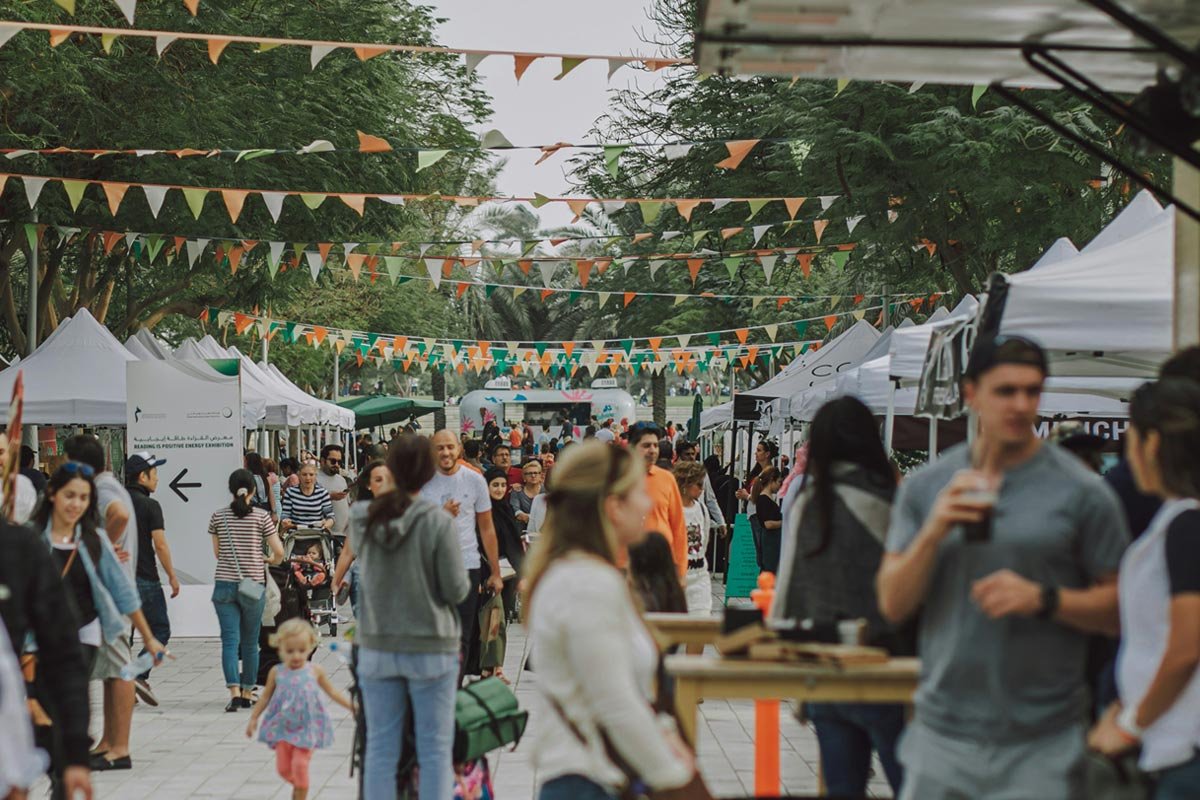
A great outdoor event has a special kind of energy. The music feels brighter, kids have room to race around, food smells better in the open air, and everyone relaxes faster. But that carefree feeling doesn’t happen by accident. Behind every smooth school fundraiser, family reunion, church picnic, or block party is because of planning that keeps the day fun and safe in any outdoor event.
You don’t need to overthink every detail. You just need to walk through the event the way your guests will experience it: where they arrive, where they go first, how they find food, how kids stay entertained, and what happens if the weather turns. That mindset turns planning from a stressful guessing game into a clear checklist for a fun and safe outdoor event.
Start With the Guest Experience
Before you rent equipment, picture the event from the parking lot forward. Will guests know where to enter? Can parents see the kids’ activity area from the seating area? Is there a clear spot to check in, ask a question, or grab water?
This early walk-through helps you catch small problems before they become annoying on event day. A food table next to the entrance may look convenient, but it can create a line that blocks everyone arriving. A game area placed too far from shade may leave parents standing in direct sun. Comfort is part of safety. When people can move easily, find what they need, and understand what’s happening, they’re more likely to settle in and enjoy themselves.
Choose a Layout That Keeps People Moving
A good outdoor layout feels obvious without needing a lot of signs. Guests shouldn’t have to guess where to stand, where to line up, or how to get from one area to another. Leave wide paths for strollers, wheelchairs, coolers, folding chairs, and kids who aren’t always watching where they’re going.
Try not to let one corner do all the work. If the food line, restroom path, and games all meet in the same place, people end up bumping into each other and the whole event starts to feel crowded. Give each busy area a little breathing room, especially if vendors need space behind their tables or kids will be lining up for activities. If you’re using music or a microphone, walk the space while it’s on so you know it can be heard without blasting the tables closest to the speaker.
Build Safety Into the Fun
Activities are often what people remember most. Games like dart board surround, inflatables, relay races, craft tables, face painting, and sports stations can turn a basic gathering into a day people talk about later. The trick is making sure the excitement has clear boundaries.
Choose attractions that match your crowd size, age range, and available space. An inflatable obstacle course rental can give an event a lively centerpiece, but it still needs level ground, enough clearance, steady supervision, and a clear waiting area so kids aren’t crowding the entrance.
Assign adults to specific zones rather than asking everyone to “keep an eye out.” That sounds helpful, but it usually means no one knows exactly who is responsible. A named volunteer at the activity area, another near the entrance, and another near food or water can prevent confusion when the day gets busy.
Plan for Weather Before It Arrives
Outdoor events always come with one unpredictable guest: the weather. Sunshine can cause problems if there’s no shade or water. Wind can turn signs, tents, tablecloths, and decorations into hazards. Lightning can end an event fast if there’s no shelter plan.
Check the forecast during the week, then again the night before and the morning of the event. Decide ahead of time who can delay, move, or cancel activities. That person should not be making the call while guests are already asking what to do.
For bigger gatherings, weather-related risk planning for live events should include wind limits for tents and inflatables, rain plans for electrical equipment, shade plans for hot days, and a clear way to tell guests when something changes.
Make Food, Water, and Shade Easy to Find
Food can make an event feel generous and memorable, but it needs care. Keep hot foods hot and cold foods cold. Use covered containers when possible, and make sure servers have gloves, utensils, napkins, and hand sanitizer. If guests are bringing dishes, labels can help people spot allergens or dietary needs without awkward guessing.
Don’t make water something guests have to hunt down. Set it near the food, beside the seating area, or close to the main activity zone so people see it without thinking about it. Kids especially will keep running until an adult tells them to take a break, so it helps to build those pauses into the day. On hot afternoons, heat safety reminders are useful for spotting when someone needs shade, water, or a slower pace.
Shade is not just a nice extra. Tents, trees, umbrellas, or covered seating can make a major difference for grandparents, young children, pregnant guests, and anyone who needs a break from direct sun.
Use One Clear Setup Checklist
The final hour before guests arrive can get messy. Someone needs tape. Someone else can’t find trash bags. A short checklist keeps setup calm.
- Confirm restrooms are open, stocked, and easy to find.
- Test microphones, speakers, lights, fans, and powered equipment.
- Check that tents, signs, cords, decorations, and activity equipment won’t tip, snag, or blow loose.
- Put trash, recycling, and water where people will actually use them.
- Make sure the lead volunteer has emergency contacts and the exact address of the site.
- Walk the area for tripping hazards, wet spots, loose stakes, or blocked paths.
- Give volunteers assigned zones and one simple way to reach the lead organizer.
Keep the checklist short enough to use quickly. The goal is to catch the things that would interrupt the event if they were missed.
Prepare Your Team
A safe event depends on people knowing what to do. Even a small gathering benefits from a quick volunteer meeting before guests arrive. Walk through the schedule, explain who is handling each area, and talk through what happens if a child gets separated from a parent, someone gets hurt, or the weather changes.
Keep communication simple. A group text may work for a backyard party or school event. For a larger site, walkie-talkies may be better because cell service can get spotty in a crowd. Make sure volunteers know where the first aid kit is, who can make decisions, and when to ask for help.
Planning a fun and safe outdoor event comes down to care. Think about how people will move, eat, play, rest, and get help if they need it, but leave enough open time for the day to breathe. Once those basics are covered, everyone can focus on what they came for: good company, fresh air, and a day worth remembering.