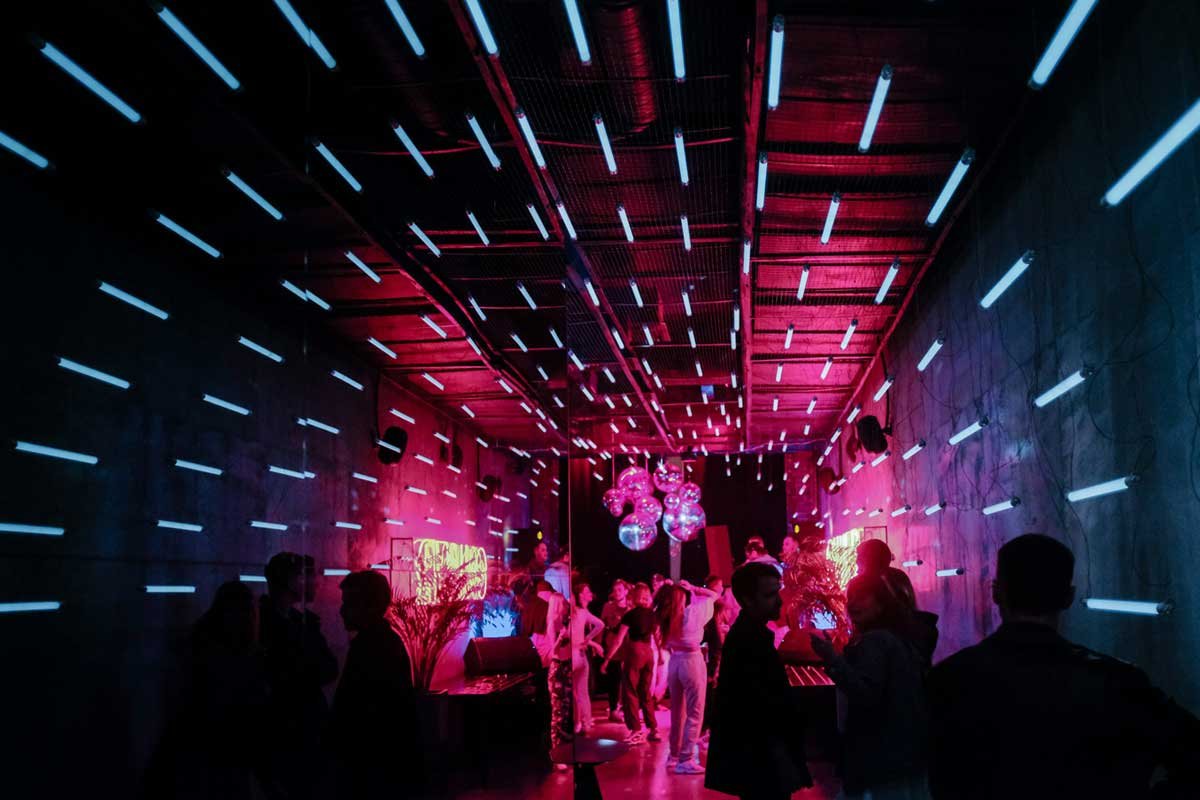
The mahogany walls of a private club have ears. They have absorbed the hushed gossip of mergers, the clinking of crystal toasts, and the polite applause of a thousand galas. To host an event within these storied rooms is to step onto a stage that has seen it all. The audience is tough. They are members who have attended enough black-tie dinners to fill a library with place cards. Impressing them requires more than a generous budget; it demands a distinct point of view. You are not merely throwing a party; you are orchestrating a moment in the club’s living history.
Standard formulas will not suffice here. A cookie-cutter approach is the quickest way to ensure your evening is forgotten before the valet brings the first car around. Instead, the planning process must be a campaign of sensory details and logistical precision.
Define the “Why”
Start with the emotion. Before you look at a spreadsheet or a floral sample, ask what the room should feel like at 10:00 PM. Is it a raucous celebration where ties are loosened, and heels are kicked off? Or is it a hushed, candlelit affair where the conversation is the main event?
This initial vision anchors every subsequent choice. In the niche industry of country club event planning, the biggest mistake is often a lack of identity. A “Summer Social” is vague; a “Havana Nights Cigar & Rum Tasting” is a directive. The former results in generic decor; the latter dictates the music, the menu, and the dress code instantly.
Be ruthless with your objective. If the goal is networking, do not drown the room in deafening music. If the goal is dancing, do not clutter the floor with too many tables. The purpose must drive the logistics, never the other way around.
The Guest List and the Invitation
Exclusivity is the currency here. The mix of people in the room is more critical than the centerpiece on the table. A stagnant guest list creates a stagnant party. While you must honor the stalwarts of the club, injecting new energy is vital. Invite the younger members, the outliers, the people who might not usually sit at the same table. Friction creates sparks.
Then, summon them properly.
In an age of digital noise, a physical invitation is a weapon. Heavy cardstock, letterpress ink, and the tactile rip of an envelope all signal weight. They tell the guest, “This is not something to click ‘maybe’ on.” Consider the following:
- The Save-the-Date: Send it early. Club calendars fill up with terrifying speed.
- The Details: Be specific about attire. “Cocktail Casual” is a trap. Use evocative language like “Black Tie Creative” or “Garden Party Chic.”
- The RSVP: Make it easy, but keep it personal.
Set the Stage with Lighting and Flow
Do not fight the architecture. If the club is a sprawling Tudor estate, a neon-soaked futuristic theme will look cheap. Work with the bones of the building. Enhance what is there.
Lighting is the single most effective tool for mood manipulation. Overhead lighting is the enemy of romance and intrigue. Kill the main switches. Instead, rely on the glow of the perimeter. Uplights in warm ambers, pin spots hitting the floral arrangements, and candles, hundreds of them, create a flattering, intimate haze. Everyone looks better by candlelight; your guests will thank you for it.
Consider the geography of the party. You need distinct zones to prevent the energy from pooling in one spot.
- The Choke Point: The entrance needs to be grand, but it also needs to move. A tray of champagne right at the door prevents a bottleneck.
- The Watering Hole: The bar is the hearth. It should be accessible from three sides if possible.
- The Escape: There must be a quieter area, perhaps a terrace or a library nook, where people can actually hear each other.
Break the Rubber Chicken Cycle
Banquet food suffers from a terrible reputation for a reason. To stand out, you must abandon the safety of the “chicken or beef” binary. The modern palate demands interaction and narrative.
Food stations are superior to buffets because they provide theater. A chef shucking oysters on ice, a carving station with a prime rib that looks like a prehistoric artifact, or a pasta wheel where truffle oil is drizzled in real-time are all conversation starters. They force guests to move, to mingle, to stand next to someone new while waiting for a plate.
The bar program requires equal rigor. A full bar is standard; a curated bar is memorable. Select a signature cocktail that fits the theme, something that can be batched and poured quickly to keep the lines short. Perhaps a smoked Old Fashioned or a botanical gin spritz with local herbs. Wine service at the table must be invisible and constant. An empty glass is a failure of service.
The Sonic Landscape
Music dictates the arc of the evening. It is the invisible hand guiding the guests’ heart rates.
Begin with subtlety. A string quartet playing modern pop covers or a jazz trio sets a sophisticated tone without demanding attention. It fills the silence but allows for the greeting rituals. As the dinner plates are cleared, the tempo must shift.
This transition is delicate. If you switch to a high-energy dance band too early, the room feels awkward. Too late, and the guests have already checked their watches. The sweet spot is right as the coffee is served.
- The Band vs. The DJ: A live band brings visceral energy that a recording cannot match. However, a skilled DJ can read a room with surgical precision, shifting genres to save a dying dance floor.
- Volume Control: Loud is not always better. The music should envelop the guest, not assault them.
The Departure
How a guest leaves is just as important as how they arrive. The end of the night is often neglected, resulting in a fizzle rather than a bang.
Anticipate the late-night slump. Around 11:00 PM, bring out the “soak-up” food. Mini sliders, paper cones of truffle fries, or warm chocolate chip cookies. It gives the dancers a second wind and feels like a secret reward for staying late.
Finally, the exit. The valet line is the place where a great night can turn sour. If guests are standing in the cold for twenty minutes, that is what they will remember. Staff the valet aggressively. Have heaters outside. Offer a bottle of water or a small, thoughtful favor like a bag of local coffee or a bespoke candle, as they wait.
There is no magic formula for the perfect party; only a relentless attention to detail. It is about anticipating needs before the guest even realizes they have them. It is about creating a temporary world where the lighting is perfect, the champagne is cold, and the outside world feels very far away. When you respect the traditions of the club while daring to subvert them just enough, you create something rare: a memory that lasts longer than the hangover.