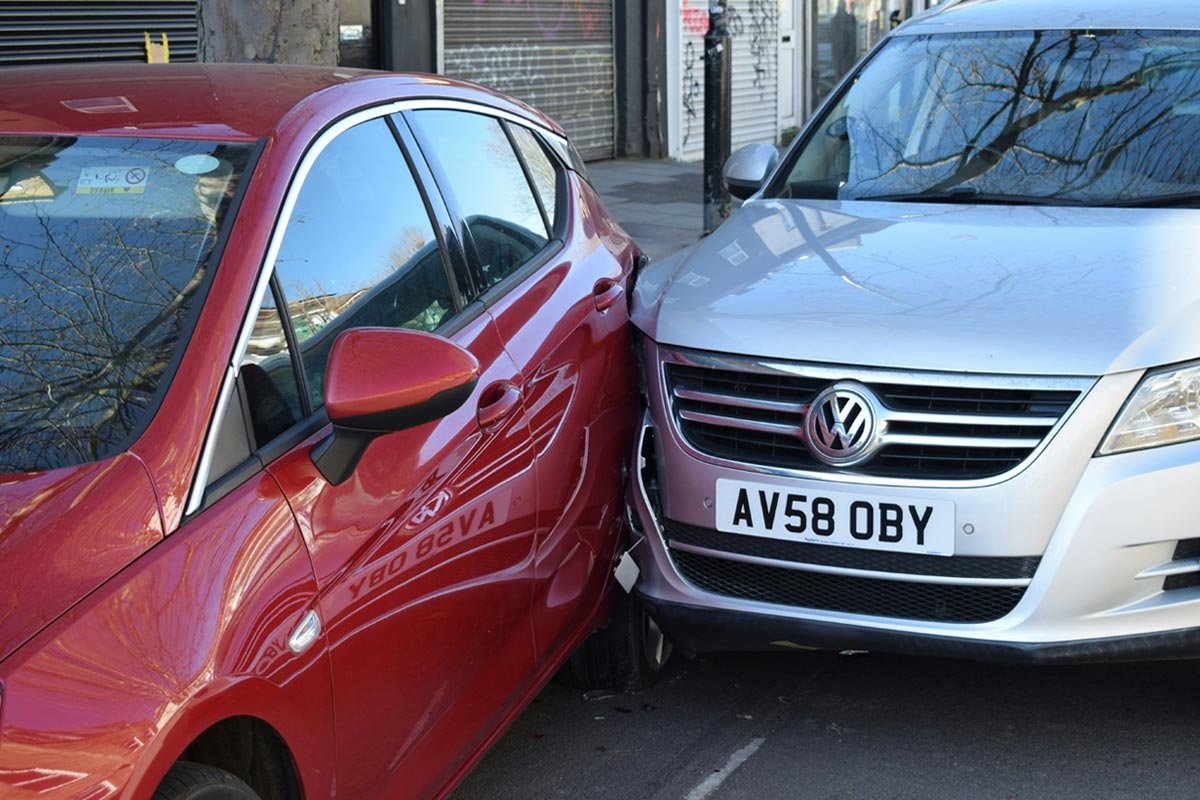
Accidents take place in the blink of an eye, but the consequences can last a lifetime. Once the initial shock has passed, one crucial question starts to crystallize: how do you prove what actually happened? Evidence matters the most after an accident and can be key in determining what exactly happened and who is to blame, particularly where injury or property damage has taken place.
Recognizing the kind of evidence that is most persuasive arms people not only to safeguard their own interests, but also help keep the facts in focus. The next few sections outline some of the types of evidence that are commonly crucial in the documentation and substantiation of accident-related claims.
Images and Video from the Scene
Visual proof is frequently one of the most potent tools at hand after a collision. Pictures and videos hold details that words might have a hard time explaining. A clear picture can explain road conditions, damage to the vehicles, hazardous obstacles or environmental factors that contributed to the crash.
Photos are taken right after the incident is over, maintaining something in the exact way that it happened. Over time, vehicles might be moved, or debris may not be cleared away, and conditions can change. Without visual documentation, these details may be lost.
Videos can also be helpful because they show movement and perspective,” said a car accident attorney. Wandering the scene with a camera can show how elements are connected and provide a better sense of what’s happening.”
When gathered quickly and with caution, visual evidence serves as an impartial record that clarifies what occurred at the time of the accident.
Official Accident Reports
Accident reports are often the first thing people ask for when assessing an incident. Reactions may come from law enforcement officers, workplace supervisors or other designated officials who respond to the scene and have preparation obligations.
The report typically contains important information, including the date of the accident, the location of the accident and names of people involved. Officers could also note their observations of the scene, road conditions, where damage was visible and potential causes behind the incident.
The credibility of these documents is often important in understanding the facts involved with an accident since they are created by a neutral party.
Witness Statements
We can gather evidence from those who saw what happened and offer insight into how an accident occurred. Unlike the people involved, witnesses are generally neutral observers who viewed what happened from an external vantage point.
Their accounts can verify critical details, like the order of events, the actions of those involved or environmental conditions when the crash occurred. For example, whether a driver ran a traffic signal or whether a hazardous condition was present prior to an accident can be fresh in witness memory.
Even a brief statement from someone who witnessed the incident helps piece together the puzzle of how the accident took place.
Medical Records and Treatment Documentation
When you get injured in an accident, medical documentation is crucial. These records show how a person was physically injured by an event and the magnitude of medical treatments covered.
Details about the nature of the injury come from hospital reports, diagnostic test results and physician notes. They could include fractures, soft-tissue damage, concussions or other conditions that were caused by the accident. These records help reconstruct the severity of the injury and how it is treated for recovery.
Documentation of treatment also provides continuity of care. This also paints a clearer picture of the healing process, from follow-up visits and physical therapy sessions to medications and rehabilitation programs.
Physical Evidence from the Accident
Physical evidence is a term that describes the physical items that were directly impacted by the accident. Such items can yield critical clues as to how the incident took place and what forces were involved.
In, say, vehicle accidents, where things like damaged car parts, shattered glass, skid marks or deployed airbags can provide insights into the speed and direction of impact — not to mention what happened to the people inside. These components allow investigators to better piece together what transpired.
For accidents that occur in the workplace or other public environments, evidence could include defective equipment, damaged flooring, broken railings or similar dangerous conditions at the time of the accident.
Communication Records and Correspondence
A second, significant category of evidence concerns post-accident statements. All records, such as emails, written messages, insurance correspondence and recorded phone calls can provide useful information on the scene.
For instance, messages sent to insurance agents could contain information regarding the timeline of the accident, damages reported, or statements made by people involved. Such records help promote consistency of information.
Likewise, correspondences (emails or messages) between individuals relevant to the incident might show some recognitions/explanations/ clarifications regarding what occurred. Even ordinary chats can sometimes include information that gets cited later.
From the Personal Notes and Timeline of Events
Your personal documentation can also serve as important evidence. When an accident happens, people often recall things that, with time, may not be as clear. By writing these memories down, they form a record that can serve to preserve relevant information.
Personal notes may include descriptions of how the accident happened, what conditions were present, and how the individual felt immediately afterwards. Recording symptoms, pain levels, and changes in daily activities can also help illustrate the injury’s impact.
Creating a timeline of events helps organize these details in chronological order. This timeline may include the moment of the accident, emergency response, medical visits, and follow-up treatments. Having a structured record makes it easier to explain the sequence of events later.