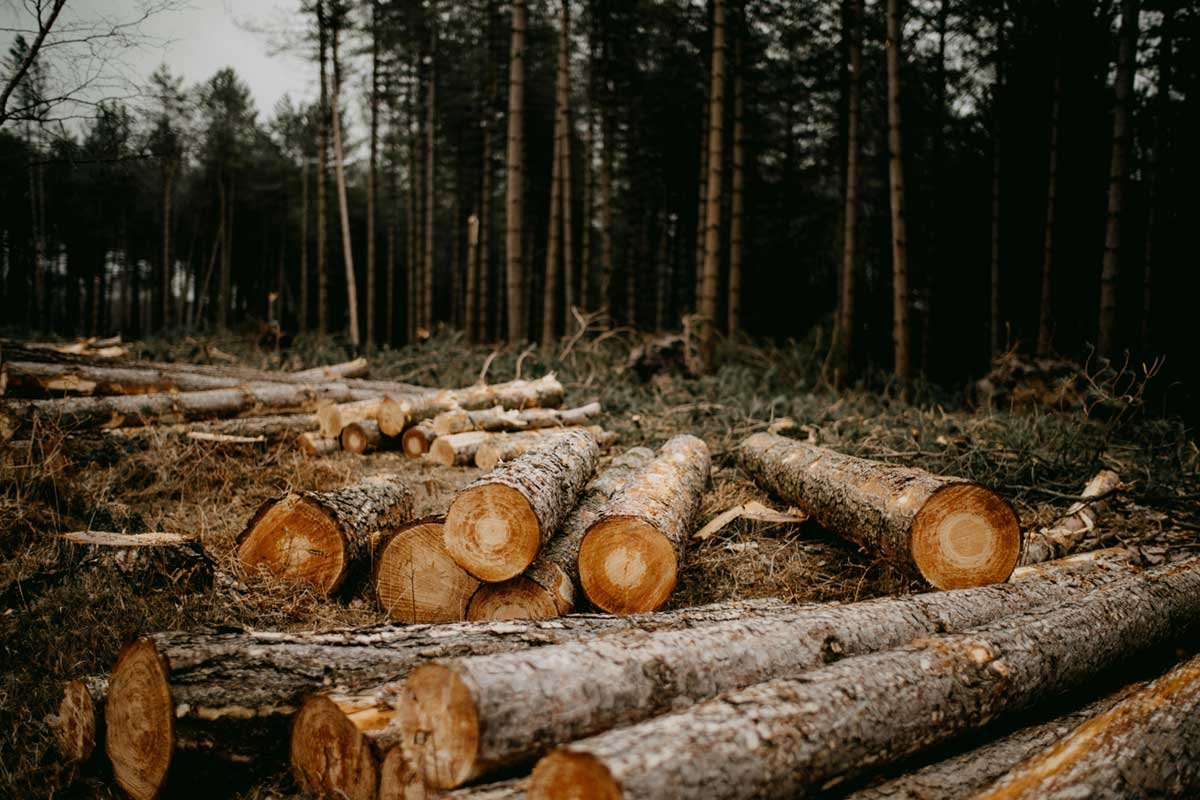
Healthy forests cannot be overlooked. They support biodiversity. They regulate the climate. They protect water systems. Yet millions of acres disappear every year due to logging, agriculture, and wildfires.
Due to this, it’s true that many people want to support reforestation efforts. It’s also true they’re unsure where to start.
The good news: individuals can make significant contributions through everyday choices. From responsible consumption to direct environmental action, small steps can play a big role in restoring forests and protecting ecosystems for future generations.
Why Forests Matter
It’s no secret that forests play an integral role in achieving environmental balance. They absorb carbon dioxide, produce oxygen, and regulate global climate patterns. That’s not all. Forest ecosystems also provide habitats for wildlife and protect soil from erosion.
According to research conducted by the Food and Agriculture Organization of the United Nations (FAO), forests cover about 31% of the world’s land area. These ecosystems are vital support systems for biodiversity and provide resources for millions of people worldwide.
However, deforestation continues to threaten these landscapes.
Agricultural expansion remains the leading cause of forest loss. However, it’s only one of numerous issues. Infrastructure development, logging, and climate-related disasters also contribute to the problem.
That’s why reforestation is essential. Reforestation initiatives aim to restore tree cover in areas that have been degraded and cleared. Healthy forests take decades to mature, making early restoration efforts extremely valuable. Supporting these initiatives not only protects ecosystems. It also strengthens long-term environmental resilience.
Reduce Paper and Wood Waste
A reduction in the consumption of forest-based materials is a simple but effective way to support reforestation. Never underestimate how many everyday products rely on wood resources. These products include paper, packaging, and furniture.
One of the easiest places to start is by limiting unnecessary printing whenever possible. Digital documents can replace many paper-based processes, both at home and at work. Reusing envelopes, packaging materials, and notebooks can further reduce waste.
Next, make a concerted effort to recycle paper products. This continues to reduce the demand for newly harvested timber. Many communities, particularly those across the United States, offer recycling programs that can be beneficial in recovering usable materials.
Consumers can also opt for responsibly sourced products. For instance, certifications such as the Forest Stewardship Council (FSC) indicate that wood products come from forests managed using sustainable practices. Rather than destructive harvesting methods, purchasing certified products encourages responsible forestry. Over time, consumer demand can influence how companies source raw materials.
Support Organizations That Restore Forests
Many conservation organizations coordinate reforestation and ecosystem projects around the world. These initiatives concentrate on areas affected by deforestation, wildfire damage, and environmental degradation.
Financial donations to these initiatives are an obvious starting point. They can help fund everything from tree seedlings to ongoing maintenance. Even small contributions can support beneficial restoration work when combined with wider public support.
Did you know some programs also allow individuals to dedicate trees as part of larger planting initiatives? For example, there are services that coordinate memorial trees projects, which support reforestation efforts across the US and Canada. As well as restoring damaged landscapes, these programs create impactful environmental legacies at the same time.
Volunteering is another pathway to contribute. Community tree planting days and habitat restoration events take place in many regions. Participating in these activities, it strengthens local ecosystems while raising awareness about environmental stewardship.
Select Sustainable Brands and Products
As expected, consumer purchasing habits influence how industries manage natural resources. That’s why selecting environmentally responsible brands, it can encourage companies to adopt better forestry practices.
Seek companies that publish clear sustainability commitments or zero-deforestation policies. This isn’t difficult. Many businesses, due to knowing the positivity of eco-friendly branding, provide transparency reports detailing how they source materials.
Packaging choices also make a difference. Products made with recycled materials reduce the demand for new timber resources. To further limit environmental impact, opt for refillable packaging and reusable containers.
Never underestimate how small changes in purchasing behavior can support wider sustainability efforts. Over time, consumer demand can shift industries toward more responsible production practices.
Participate in Local Tree Planting Projects
For anyone exploring direct ways to contribute to forest restoration, look no further than community tree planting events. These are more common than you might think. Many environmental groups organize volunteer days to plant native species in the likes of parks and watersheds.
These projects zone in on restoring habitats and strengthening local ecosystems. Volunteers assist in various ways. They plant seedlings, prepare soil, and maintain young trees during early growth stages.
Due to their benefits, it’s natural for local governments and conservation organizations to promote these events through community networks. Checking out municipal websites and environmental charities is a way to reveal nearby opportunities.
Even a few hours of volunteer work can support long-term environmental recovery. It’s not just about the direct benefit, either. Participation also raises awareness about the importance of protecting forests.
Spread Awareness and Encourage Others
Extending from the previous paragraph, education plays an integral role in large-scale environmental change. Sharing reliable information about deforestation and reforestation can inspire others to support and act with their efforts.
You don’t have to shout from the rooftops. Conversations with friends, family, and coworkers can introduce new perspectives on environmental responsibility. Social media also provides a simple yet effective way to promote conservation initiatives.
Want to amplify this impact? One way is to support organizations that promote sustainable forestry. Many groups publish educational resources, allowing individuals to see how forests support biodiversity and climate stability.
Encouraging responsible consumer behavior within communities can gradually influence wider environmental practices.
Small Actions Can Support Global Forest Recovery
Global environmental challenges can feel overwhelming. Yet individual actions still matter. From reducing waste to making responsible purchasing choices, various choices can contribute to long-term change.
Consistent behavior from individuals can snowball. As more people get involved, it can influence industries, communities, and policy decisions. Every contribution adds momentum to wider conservation efforts.
People seeking to support reforestation efforts do not need to make dramatic lifestyle changes. Simple actions taken consistently can help rebuild forests and strengthen ecosystems for future generations.