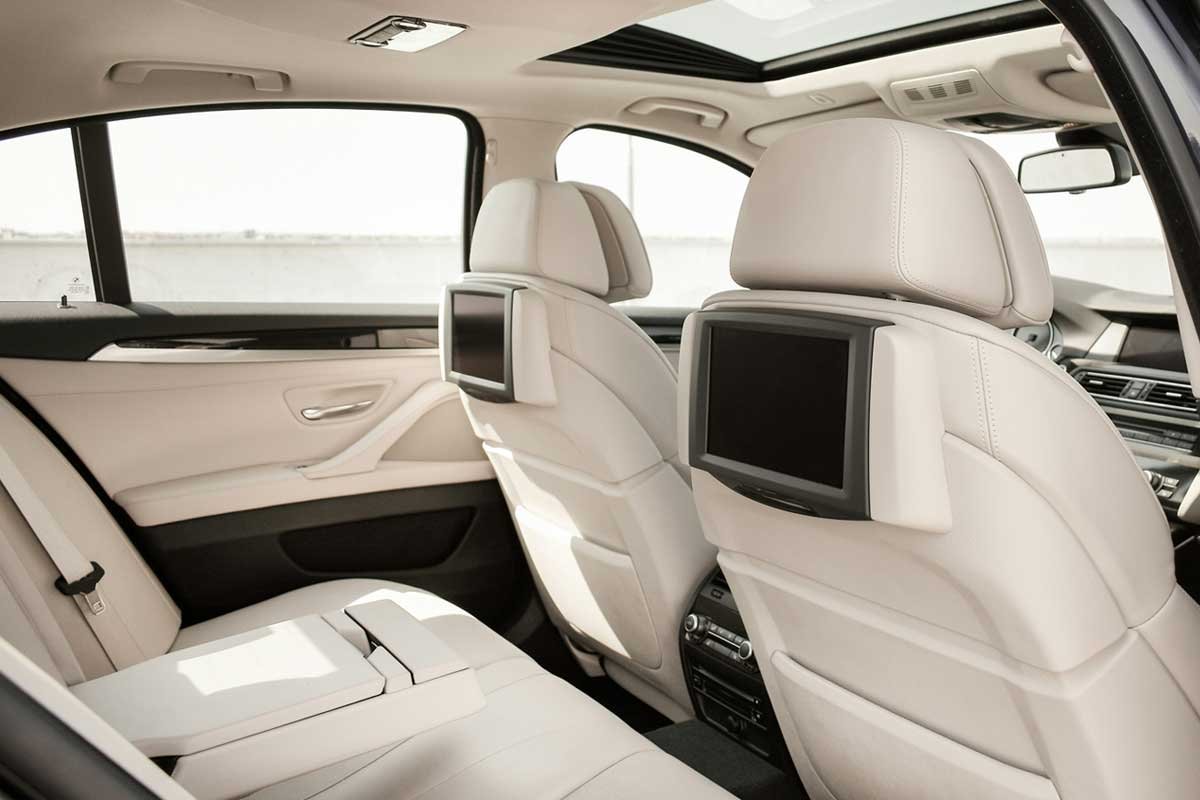
As the summer months approach, drivers naturally begin to prepare their vehicles for longer trips and warmer weather. While most vehicle owners know to check their tire pressure, test battery health, and top off fluid levels, the damage caused by extreme heat and UV rays to the Car Interior is frequently ignored. The sun is a powerful force that can age your interior prematurely, causing costly damage to dashboards, seats, and sensitive electronics. Understanding the science behind this degradation is the first step in preserving the lifespan and value of your vehicle. A simple preventative measure, such as utilizing a dependable sun protector for car windows, can significantly mitigate these harsh effects while keeping the cabin comfortable.
The Rapid Reality of Heat Accumulation
Before diving into the material damage, it is important to understand just how quickly solar energy amplifies inside a closed cabin. Windows allow shortwave radiation from the sun to pass through and heat the solid objects inside, such as the seats and dashboard. These objects absorb the energy and radiate longwave heat, which cannot easily escape back through the glass. This creates a powerful greenhouse effect.
The resulting temperature spikes are startling. According to safety research from the National Weather Service, the temperature inside a parked vehicle can rapidly rise to a dangerous level in just a matter of minutes. Their data notes that on an 80-degree day, the cabin can quickly climb past 109 degrees in 20 minutes, and cracking the windows provides almost no noticeable relief. This intense heat actively breaks down the materials that make up the interior.
Contrasting Active Engineering and Passive Heat Management
Automotive engineers spend countless hours designing mechanisms to protect drivers and the vehicle itself. The evolution of car safety has introduced incredible advancements, from robust crumple zones to advanced driver-assistance systems. Modern vehicles are built to handle high operating temperatures under the hood and mitigate physical impacts on the road.
However, there is no active system to protect the interior materials once the engine is turned off and the vehicle is parked. The engine has a dedicated mechanical defense against extreme temperatures, but the car interior is left entirely defenseless against relentless ultraviolet radiation and trapped thermal energy.
How UV Rays and High Temperatures Destroy Materials
When intense heat and UV rays combine, they cause molecular changes in the materials that make up your cabin. Over time, this exposure leads to irreversible wear and tear.
Here are the primary ways solar energy attacks different interior components:
- Plastic Dashboards: Extreme heat causes the chemical plasticizers inside the dashboard to evaporate. This loss of moisture results in a brittle surface that will eventually warp or crack under stress.
- Leather Seating: Natural leather is highly susceptible to drying out. Without proper conditioning and shade, the sun bakes the natural oils out of the material, causing it to stiffen, fade, and split.
- Fabric Upholstery: The prolonged exposure to UV radiation causes photodegradation in synthetic fabrics. This breaks down the chemical bonds in the dyes, leaving your seats looking dull and bleached.
- Electronics and Touchscreens: Modern vehicles are packed with sensitive digital displays and sensors. Sustained temperatures exceeding 100 degrees can damage liquid crystal displays, melt internal adhesives, and cause touchscreens to become unresponsive.
Practical Solutions to Preserve Your Cabin
Protecting your interior does not require a degree in automotive engineering. A few simple habits can drastically reduce the thermal stress on your vehicle.
First, always try to park strategically. Seeking out covered parking garages or utilizing the natural shade of trees during peak afternoon hours makes a massive difference. If shade is unavailable, parking so the sun hits the rear window rather than the larger front windshield can slightly reduce direct dashboard exposure.
Second, establish a routine for interior conditioning. Applying UV-resistant protectants to vinyl surfaces and utilizing specialized leather conditioners will replace the essential oils lost to daily heat exposure.
Finally, physical barriers remain the most effective defense against solar energy. Blocking the UV rays before they penetrate the car interior prevents the greenhouse effect from starting in the first place, keeping the internal environment much safer for your materials.
The Long-Term Value of Sun Protection
Taking a proactive approach to automotive care goes far beyond the engine bay. The interior of your vehicle is where you spend all of your time, and its condition plays a massive role in both your daily comfort and the overall resale value of the car. When it is time to upgrade to a new vehicle, a pristine car interior free of sun damage will command a higher trade in price. By understanding the severe damage caused by UV rays and extreme heat to the car interior, you can easily implement the right protective measures. A little bit of shade and some routine maintenance will keep your interior looking factory fresh for years to come.