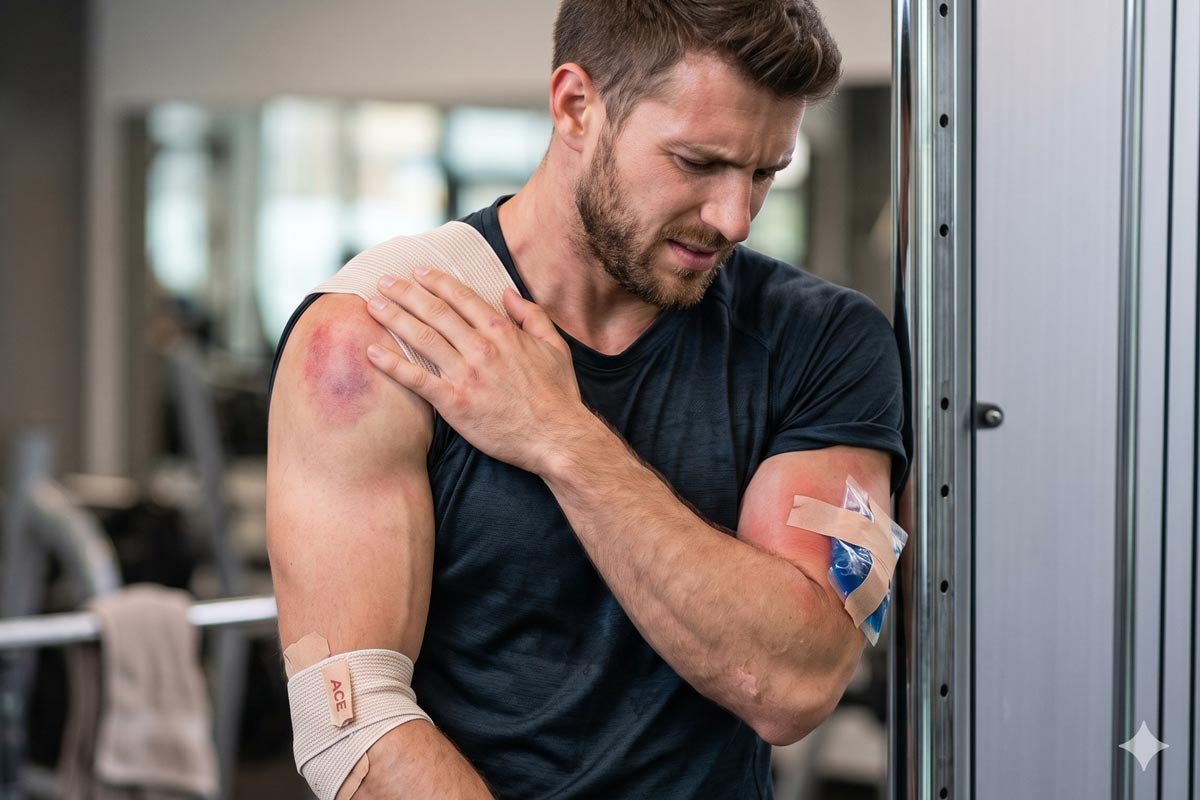
Building upper body strength is a popular goal for many fitness enthusiasts. A well-rounded fitness regimen requires a delicate balance of intense effort and mindful recovery. If you ignore the warning signs of muscle fatigue, you risk sidelining yourself for months. However, the enthusiasm to lift heavier weights or increase repetitions can sometimes lead to unexpected setbacks. Whether you are doing pull-ups, heavy rows, or bicep curls, pushing your muscles and joints past their current capacity often results in painful strains. Understanding how to recover from these workout injuries is crucial to ensure you do not turn a minor tweak into a chronic issue that affects your daily life.
The Mechanics of Repetitive Strain
Many upper-body injuries do not come from a single, traumatic event. Instead, they develop slowly through repetitive motion and poor biomechanics over several weeks or months. When you repeatedly stress a specific tendon or muscle group without adequate rest, localised inflammation sets in. Performing repetitive exercises or lifting weights using improper technique, such as curling your wrists during a bicep curl, can severely overload the elbow muscles and tendons. This specific mechanism is a primary cause of medial epicondylitis, commonly known as golfer’s elbow, even if you have never picked up a golf club in your life.
When this type of tendon overloading occurs, resting the area is rarely enough to resolve the underlying tissue damage. Finding targeted inner elbow pain treatment becomes essential for breaking the cycle of inflammation. Professional intervention often involves deep tissue massage, specific stretching protocols, and strengthening exercises designed to restore normal joint function without aggravating the sensitive tendons. Seeking help early can drastically reduce the time it takes to return to your normal training schedule.
Identifying the Source of the Problem
Recognising an injury early is the best way to prevent it from derailing your fitness progress. The rise of at-home fitness has made staying active more accessible, but it also removes the watchful eye of a professional trainer. Exercising in a home setting is fantastic for maintaining a consistent routine, yet using new resistance bands or heavy dumbbells without proper guidance frequently leads to form breakdowns. Without an instructor to correct your posture, you might inadvertently place too much strain on your shoulders, wrists, or elbows.
Symptoms of an overuse injury typically start as a dull ache after a workout. Over time, this ache can progress into a sharp pain during specific movements, weakness when gripping objects, and stiffness in the mornings. If you notice a persistent throbbing on the inside of your arm or a grinding sensation in your shoulder capsule, your body is signalling that a specific movement pattern is causing harm. Paying close attention to these early warning signs allows you to adjust your routine before a full muscle tear occurs.
Understanding Common Upper Body Injuries
Beyond elbow tendinopathy, there are several other common injuries that affect the upper body during resistance training. Rotator cuff strains, for example, frequently plague those who perform heavy overhead presses or bench presses without adequate shoulder mobility. The shoulder is a highly mobile but inherently unstable joint, making it particularly vulnerable to overuse. When the small stabilising muscles become fatigued, the larger prime movers take over, leading to improper movement patterns and eventual impingement.
Similarly, wrist pain is a frequent complaint among weightlifters. Exercises like front squats or heavy barbell curls place the wrists under significant stress, often forcing them into excessive extension. If the wrist flexors lack the necessary strength to support the load, micro-tears can develop in the connective tissue. Addressing these secondary weaknesses is an important part of any comprehensive rehabilitation programme.
Effective Recovery Strategies
To recover from upper-body workout Injuries, it requires a structured approach. Simply ignoring the discomfort will likely prolong your recovery time and could lead to permanent tendon damage. To bounce back safely, consider adopting a comprehensive rehabilitation strategy.
Here are several effective steps to guide your recovery process:
- Take an active rest: Pause the specific exercises that cause discomfort, but continue moving. Swap heavy upper body lifting for lower body routines or light cardiovascular work to maintain overall fitness without stressing the injured area.
- Apply cold therapy: In the first 48 hours of a noticeable flare-up, applying ice for 15 to 20 minutes can help constrict blood vessels and reduce acute swelling around the joint.
- Focus on mobility: Once the initial pain subsides, gently introduce range-of-motion exercises. Slow, controlled stretching helps prevent scar tissue from forming and keeps the joint supple.
- Consult a professional: Seek advice from a qualified physiotherapist who can assess your lifting mechanics. They can prescribe specific strengthening drills to correct the muscular imbalances that caused the injury in the first place.
Transitioning Back to Your Routine
Once your symptoms have completely cleared, returning to the weight rack requires immense patience. Whether you train at a commercial facility or focus on creating a home gym, start with lighter weights and higher repetitions to test the resilience of your healed tendons. Pay strict attention to your form, ensuring your wrists remain neutral and your shoulders are properly engaged. Recording a video of your sets can be a highly effective way to self-monitor your technique and spot any lingering biomechanical flaws.
Warming up thoroughly before every session is another non-negotiable habit. A proper warm-up increases blood flow to the muscles and prepares your joints for the physical stress of lifting. You might incorporate dynamic stretches, such as arm circles and band pull-aparts, to ensure your shoulder girdles are ready for action. Ultimately, longevity in fitness is about training smarter, not just harder. By respecting your physical limits, prioritising your on how to recover from workout injuries, and addressing minor aches before they escalate, you can build a stronger, healthier upper body for years to come.